


x


 Oil On CanvasWallArtDutch Baroque
 1656
1656 80.0 x 65.0 cm
 Staatliche Museen zu Berlin
Ručno oslikano uljanim bojama na platnu u dimenzijama i okviru po vašem izboru, izrađeno po porudžbini od strane naših umetnika. ( Pređi na štampu Prebacite na sliku)





























Izaberite jednu od naših unapred definisanih veličina koje odgovaraju originalnim proporcijama umetničkog dela.

Можете унети сопствене димензије како бисте прилагодили дело одређеном оквиру или простору. Ако одабрана величина не одговара пропорцијама оригинала, слика ће бити исечена или проширена додатним елементима који се ручно насликавају. Дигитални prikaz ће вам бити послат на одобрење пре почетка производње.
Имајте на уму да преглед на екрану не одражава стварно исецање или проширење. Само приказ (mockup) ће тачно приказати коначну композицију.
Иако су доступне прилагођене величине, препоручујемо да одаберете димензију из дефинисане листе како бисте сачували оригиналне пропорције.
Isporuka širom sveta () za 3/4 nedelje umesto uobičajenih 5 nedelja. (1 август). Bez kompromisa po pitanju kvaliteta.


The Slaughtered Pig
Dimenzije reprodukcije

In the golden era of the Dutch Baroque, few names evoke as much quiet intrigue as Bernard Pietersz Fabritius. Born in Muiden in 1624, Fabritius emerged from the shadows of the Netherlands' rich artistic landscape to become a painter of profound psychological depth and technical brilliance. While his life was tragically truncated by illness in 1673, the impact of his brushwork remains etched in the annals of art history. His journey began under the tutelage of Hendrick Jacobsz van Dyck, where he absorbed the intricate stylistic precepts of Flemish Mannerism. This early training provided him with a robust foundation in portraiture and genre scenes, yet Fabritius would soon transcend mere imitation to develop a voice that was uniquely his own—one characterized by an almost unsettling realism and a masterful command over the interplay of light and shadow.
The artistry of Fabritius is defined by a singular ability to capture the ephemeral. He did not merely paint subjects; he breathed life into them through a meticulous attention to detail and a dedication to anatomical accuracy that mirrored the burgeoning scientific curiosity of his age. His canvases often serve as windows into the intimate, much more human moments of 17th-century life. Whether depicting the stark, visceral reality of daily existence in works like The Slaughtered Pig or portraying the quiet dignity of rural labor in Ruth and Boaz, Fabritius possessed a rare talent for finding the extraordinary within the ordinary. His use of chiaroscuro—the dramatic contrast between light and dark—was not merely a technical feat but an emotional tool used to guide the viewer's eye and evoke a sense of spiritual or psychological tension.
Fabritius’s creative evolution was deeply intertwined with the intellectual ferment of his time. Living and working during the flourishing of Leiden University, he found himself at the heart of a community where art and science began to dance in close proximity. His connections to luminaries such as Johannes Vermeer and Willem van der Helm suggest an artist who was deeply engaged with the innovations of his peers. This environment of intellectual curiosity likely encouraged his exploration of new perspectives and his pursuit of a more luminous, naturalistic aesthetic. This intersection of disciplines is perhaps most evident in his biblical compositions, where he utilized dramatic lighting to convey profound spiritual fervor, turning theological narratives into palpable, human experiences.
The breadth of his repertoire allowed him to navigate between the sacred and the secular with seamless grace. His achievements can be seen across a diverse spectrum of subject matter:
Ultimately, the historical significance of Bernard Pietersz Fabritius lies in his role as a bridge between the structured elegance of Mannerism and the profound realism of the Dutch Golden Age. He was an artist who understood that light does not just illuminate a scene; it defines its soul. Though his career ended far too soon, the enduring power of his works continues to captivate modern audiences, offering a hauntingly beautiful glimpse into a world where every shadow tells a story and every highlight holds a truth.

1624 - 1673 , Netherlands

Journey through the Golden Age with our guide to the Top 10 Dutch Baroque masterpieces! Explore iconic paintings by Rembrandt, Vermeer & Frans Hals. Find museum-quality art reproductions and elevate your home decor at Most-Famous-Paintings.com.
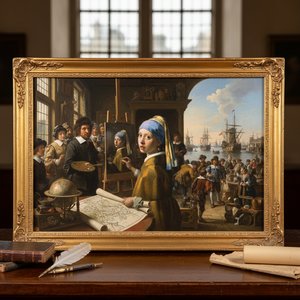
Explore the Dutch Golden Age of painting! Discover key artists like Vermeer & ter Borch, their innovative techniques, and the rich cultural context behind these Baroque masterpieces. Learn about collecting & appreciating this iconic art period.
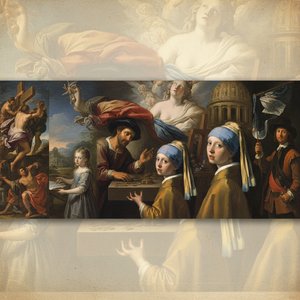
Otkrijte 10 remek dela koja su definisala baroknu umetnost! Karavagio, Bernini i više – istražite priče iza ovih ikoničnih slika. Inspiracija za vaš dom? Pogledajte kolekciju na Most-Famous-Paintings.com!

Uronite u svet Claudea Moneta sa 25 remek-dela impresionizma! Otkrijte priče iza poznatih slika, tehnike i inspiraciju. Reprodukcije vrhunskog kvaliteta za luksuzni dekor doma na Most-Famous-Paintings.com.

Journey through Baroque painting's glory! Explore 10 masterpieces by Caravaggio, Rembrandt & Vermeer. Discover dramatic lighting, rich colors & timeless stories. Find museum-quality art reproductions for your home at Most-Famous-Paintings.com.


Budite u toku sa najnovijim vestima o umetnosti, ekskluzivnim ponudama i idejama za dekoraciju.
Recite nam o vašem projektu i naši stručnjaci za umetnost će vam pružiti 3 personalizovana predloga umetničkih dela.
Dozvolite nam da odaberemo 3 opcije specijalno za Vas - Besplatno!


 Pregledaj u prostoru
 Pošalji
 Podeli
 Detalji o delu

 Преузми
 Slični predmeti
 Rendgenski snimak
 Slajdovi
 Pročitaj više







 Opcija sa staklom dostupna je samo za dimenzije manje od 110 cm


