


x

Ručno oslikano uljanim bojama na platnu u dimenzijama i okviru po vašem izboru, izrađeno po porudžbini od strane naših umetnika. ( Kupi print Kupi digitalnu sliku)





























Izaberite jednu od naših unapred definisanih veličina koje odgovaraju originalnim proporcijama umetničkog dela.

Можете унети сопствене димензије како бисте прилагодили дело одређеном оквиру или простору. Ако одабрана величина не одговара пропорцијама оригинала, слика ће бити исечена или проширена додатним елементима који се ручно насликавају. Дигитални prikaz ће вам бити послат на одобрење пре почетка производње.
Имајте на уму да преглед на екрану не одражава стварно исецање или проширење. Само приказ (mockup) ће тачно приказати коначну композицију.
Иако су доступне прилагођене величине, препоручујемо да одаберете димензију из дефинисане листе како бисте сачували оригиналне пропорције.
Isporuka širom sveta () za 3/4 nedelje umesto uobičajenih 5 nedelja. (21 август). Bez kompromisa po pitanju kvaliteta.


Self-Portrait
Dimenzije reprodukcije
In the quiet, somber depths of 1916, Edvard Munch captured more than just his own likeness; he etched the very essence of human anxiety onto paper. His Self-Portrait stands as a profound testament to the psychological tremors that defined the early 20th century, serving as a window into an artist grappling with the shadows of his own existence. This is not merely a portrait of a man, but a visceral exploration of vulnerability and despair. Through the lens of Expressionism, Munch transcends the boundaries of traditional portraiture, inviting the viewer to witness a moment of intense introspection where the line between the external world and internal suffering begins to blur.
The composition is masterfully unsettling, drawing the eye immediately to the artist's face, which dominates the foreground with an arresting intensity. Munch’s hands instinctively rise to partially cover his features, a gesture that speaks volumes of shame, grief, or perhaps a desperate desire to retreat from the gaze of the world. Behind this central figure, a blurred cityscape emerges—a ghostly arrangement of buildings and a distant horse-drawn carriage that feels disconnected from the man's immediate agony. This use of skewed perspective and atmospheric blurring creates a sense of disorientation, mirroring the artist's own destabilized mental state and emphasizing his profound alienation from the urban environment surrounding him.
Technically, the work is a triumph of raw, gestural application. Eschewing the polished precision of realism, Munch utilized what appears to be charcoal or graphite to create a textured, almost frantic surface. The lines are expressive and chaotic, flowing with an emotional urgency that prioritizes feeling over anatomical accuracy. Every stroke feels heavy with intent, contributing to a sense of immediacy as if the artist were capturing a fleeting moment of psychological crisis before it vanished. This technique allows the shadows to bleed into the forms, creating a seamless integration between the figure and his environment.
The color palette is intentionally restricted, relying on a stark monochrome range of deep blacks and brilliant whites. This lack of color strips away any potential for warmth or comfort, leaving only the raw, skeletal truth of the subject. The high contrast heightens the drama, casting the figure in a harsh light that emphasizes the hollows of the face and the tension in the hands. For collectors and designers, this piece offers a sophisticated, timeless aesthetic; its monochromatic elegance allows it to serve as a powerful focal point in any curated space, bringing a sense of historical weight and intellectual depth to a room.
To behold this self-portrait is to confront the universal experience of mortality and the fragility of the human psyche. Munch’s life was famously shadowed by the loss of loved ones to illness, and those themes of sickness and dread are woven into the very fabric of this work. The blurred background serves as a powerful symbol of the indifference of modern life, a world moving forward in its mechanical rhythm while the individual remains trapped in an internal loop of suffering. It is this profound emotional resonance that makes Munch’s work so enduringly relevant.
For those seeking to bring a piece of art history into their homes or galleries, a high-quality reproduction of this Self-Portrait offers more than just decoration. It provides an opportunity to engage with the foundational spirit of Expressionism. It is a conversation piece that invites contemplation, a somber yet beautiful addition to an interior that values depth, history, and the raw beauty of the human condition. Owning such a work is an act of preserving a moment of pure, unadulterated truth captured by one of the greatest visionaries of the modern age.

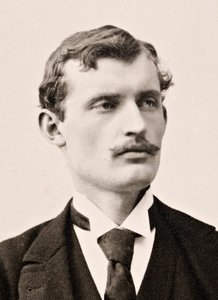
1863 - 1944 , Шведска

Uncover the soul of monochrome. Explore 10 legendary black and white photography masterpieces that redefined art history. From iconic techniques to timeless stories, find museum-quality reproductions for inspired home decor. Discover all masterpieces on Most-Famous-Paintings.com

Explore the dramatic beauty of chiaroscuro and dark aesthetics. From moody oil masterpieces to iconic black-toned works, discover the stories behind these timeless treasures. Find museum-quality art reproductions for your decor. Explore the full collection online at Most-Famous-Paintings.com.


Budite u toku sa najnovijim vestima o umetnosti, ekskluzivnim ponudama i idejama za dekoraciju.
Recite nam o vašem projektu i naši stručnjaci za umetnost će vam pružiti 3 personalizovana predloga umetničkih dela.
Dozvolite nam da odaberemo 3 opcije specijalno za Vas - Besplatno!


 Pregledaj u prostoru
 Pošalji
 Podeli
 Detalji o delu

 Преузми
 Slični predmeti
 Rendgenski snimak
 Slajdovi

 Pročitaj više







 Opcija sa staklom dostupna je samo za dimenzije manje od 110 cm


