


x

Ručno oslikano uljanim bojama na platnu u dimenzijama i okviru po vašem izboru, izrađeno po porudžbini od strane naših umetnika. ( Pređi na štampu Prebacite na sliku)





























Izaberite jednu od naših unapred definisanih veličina koje odgovaraju originalnim proporcijama umetničkog dela.

Можете унети сопствене димензије како бисте прилагодили дело одређеном оквиру или простору. Ако одабрана величина не одговара пропорцијама оригинала, слика ће бити исечена или проширена додатним елементима који се ручно насликавају. Дигитални prikaz ће вам бити послат на одобрење пре почетка производње.
Имајте на уму да преглед на екрану не одражава стварно исецање или проширење. Само приказ (mockup) ће тачно приказати коначну композицију.
Иако су доступне прилагођене величине, препоручујемо да одаберете димензију из дефинисане листе како бисте сачували оригиналне пропорције.
Isporuka širom sveta () za 3/4 nedelje umesto uobičajenih 5 nedelja. (8 август). Bez kompromisa po pitanju kvaliteta.


Prince Filip Prosper, Sin Son Filip IV
Dimenzije reprodukcije
Diego Rodríguez de Silva y Velázquez’s Prince Philip Prosper, Son of Philip IV, painted in 1659, isn’t merely a portrait; it's a carefully constructed tableau vivant – a snapshot of Spanish royal life frozen in time. This Baroque masterpiece offers a rare glimpse into the world of King Philip IV and his son, Prince Philip Prosper, capturing not just their likeness but also the grandeur and formality of the Habsburg court. The painting immediately draws the eye to the young prince seated regally on a chair, a symbol of his lineage and future responsibilities. His attire—lavish fabrics, a prominent crown—underscores his status, while the two attentive dogs flanking him add an element of domesticity and companionship to this otherwise formal scene.
Velázquez’s genius lies in his ability to imbue even a royal portrait with a sense of immediacy. The composition is remarkably balanced, drawing the viewer's eye through the room—from the red curtain that frames the scene, to the couch and dining table suggesting an opulent setting, all leading back to the central figure of the prince. The subtle details – the texture of the dogs’ fur, the folds in the fabric, the play of light on the prince’s face – reveal a meticulous attention to realism that was revolutionary for its time. It's not simply a representation; it’s an experience, inviting us into this private moment within the royal household.
The painting’s power resides significantly in Velázquez’s masterful use of light and shadow. He employs *tenebrism*, a technique popularized by Caravaggio, to create dramatic contrasts that heighten the sense of depth and volume. The strong illumination focuses on the prince, drawing attention to his face and attire while subtly receding into the background, where shadows soften the details and suggest distance. This skillful manipulation of light isn’t just aesthetic; it serves to elevate the prince's importance within the composition, emphasizing his position as heir to the throne.
Velázquez’s choice of oil on canvas allowed him an unprecedented level of control over color and texture. He could build up layers of paint gradually, creating a rich, luminous surface that captures the subtle nuances of light and shadow. The brushstrokes themselves are visible, adding to the painting's sense of immediacy and authenticity – a deliberate departure from the smooth, polished surfaces favored by some of his contemporaries. The realism achieved is astonishing, particularly considering the period; it’s as if Velázquez has captured not just an image but also a fleeting moment in time.
To fully appreciate Prince Philip Prosper, Son of Philip IV, it’s crucial to understand the context in which it was created. Spain under King Philip IV was a nation at the height of its power and influence, yet also grappling with economic challenges and political instability. Velázquez, as the court painter, was tasked with documenting this era, capturing not only the outward appearance of royal life but also the underlying tensions and complexities. The portrait serves as a visual testament to the Habsburg dynasty’s ambition and authority.
Furthermore, it's interesting to note that Velázquez himself was a complex figure within the court—a highly respected artist who nevertheless faced periods of uncertainty and rivalry. His ability to portray both the grandeur and the vulnerability of his subjects is evident in this portrait, reflecting perhaps his own position as an observer of royal life.
Most-Famous-Paintings offers exquisite hand-painted oil reproductions of Prince Philip Prosper, Son of Philip IV, meticulously crafted by our team of skilled artists. We strive to capture the essence of Velázquez’s original – the light, the shadow, the emotion – with unparalleled accuracy and detail. Don't miss the opportunity to own a stunning piece of art history that will grace your home or office for generations to come. View more information about this exceptional reproduction, and discover other remarkable works by Diego Velázquez on our website: Mercury and Argus or The Infanta Maria Marguerita in Pink.

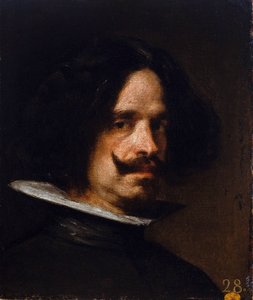
1599 - 1660 , Шпанија

Explore the profound drama of Spanish Baroque art. Delve into the mastery of light, shadow, and realism through the legendary works of Diego Velázquez and the Spanish Golden Age with our expert-led historical guide.

Explore the profound elegance of Baroque Classicism. Discover how 17th-century masters synthesized dramatic emotion with classical order through the lens of the Counter-Reformation and the works of legends like Carlo Maratta and Andrea Sacchi.

Explore the dramatic evolution from Mannerist distortion to Baroque grandeur. Discover how light, shadow, and emotion redefined art history through a masterclass in technical mastery and religious fervor.

Explore the profound differences between Baroque drama and Rococo elegance. Our expert guide delves into art history, chiaroscuro, and the evolution of European masterpieces for collectors and enthusiasts seeking deep historical context.


Budite u toku sa najnovijim vestima o umetnosti, ekskluzivnim ponudama i idejama za dekoraciju.
Recite nam o vašem projektu i naši stručnjaci za umetnost će vam pružiti 3 personalizovana predloga umetničkih dela.
Dozvolite nam da odaberemo 3 opcije specijalno za Vas - Besplatno!


 Pregledaj u prostoru
 Pošalji
 Podeli
 Detalji o delu

 Преузми
 Slični predmeti
 Rendgenski snimak
 Slajdovi

 Pročitaj više







 Opcija sa staklom dostupna je samo za dimenzije manje od 110 cm


