x
 Akril na platnuUmetnost za zidoveImpressionism & Cloisonism
 1883
1883 73.0 x 54.0 cm
Ručno oslikano uljanim bojama na platnu u dimenzijama i okviru po vašem izboru, izrađeno po porudžbini od strane naših umetnika. ( Pređi na štampu Prebacite na sliku)





























Izaberite jednu od naših unapred definisanih veličina koje odgovaraju originalnim proporcijama umetničkog dela.

Можете унети сопствене димензије како бисте прилагодили дело одређеном оквиру или простору. Ако одабрана величина не одговара пропорцијама оригинала, слика ће бити исечена или проширена додатним елементима који се ручно насликавају. Дигитални prikaz ће вам бити послат на одобрење пре почетка производње.
Имајте на уму да преглед на екрану не одражава стварно исецање или проширење. Само приказ (mockup) ће тачно приказати коначну композицију.
Иако су доступне прилагођене величине, препоручујемо да одаберете димензију из дефинисане листе како бисте сачували оригиналне пропорције.
Isporuka širom sveta () za 3/4 nedelje umesto uobičajenih 5 nedelja. (9 август). Bez kompromisa po pitanju kvaliteta.


Farm u Osnyju (takđer Farm, Washhouse, Osny)
Dimenzije reprodukcije
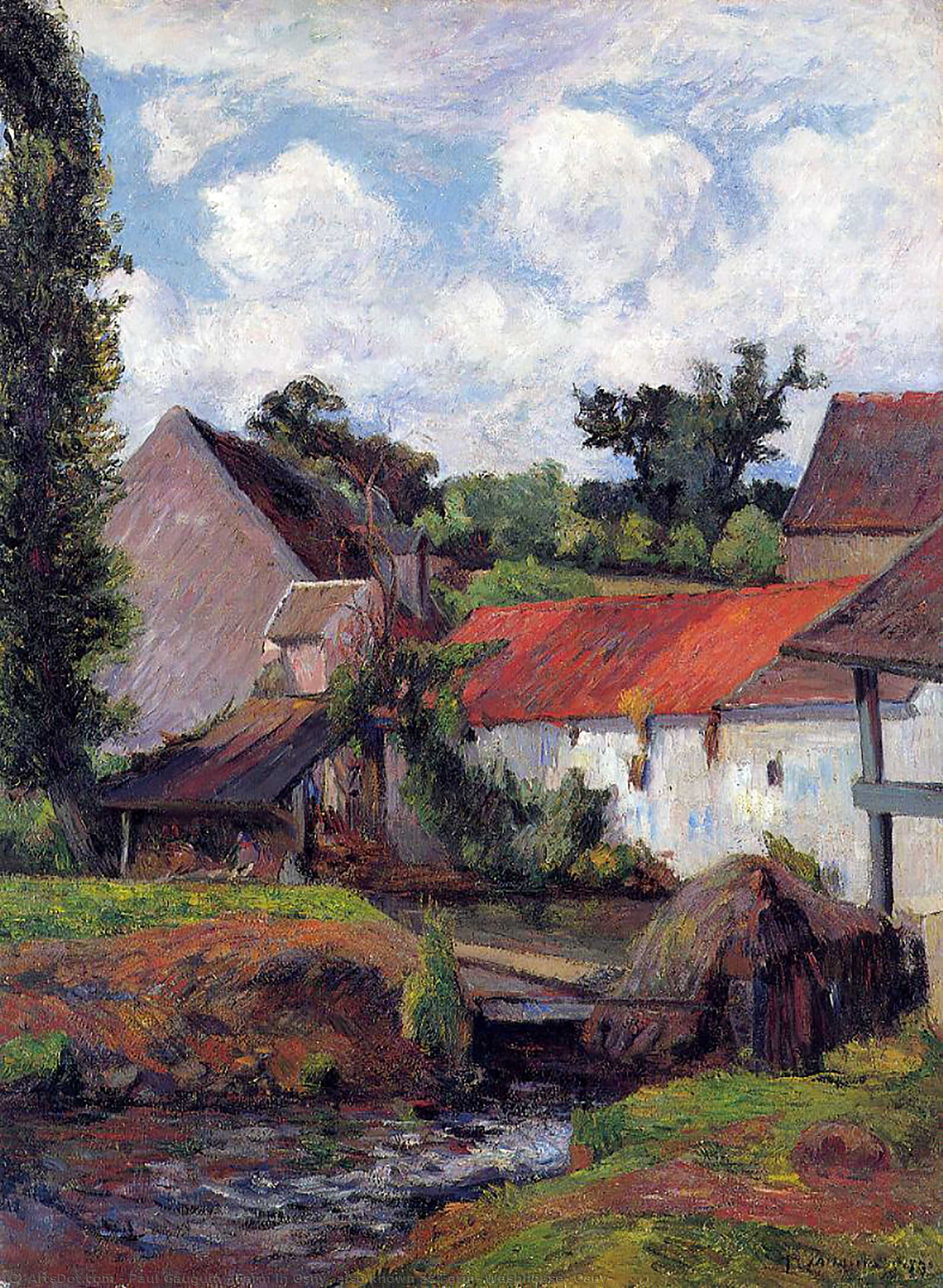
Paul Gauguin's 1883 painting, *Farm in Osny*, stands as a cornerstone of his artistic evolution—a decisive break from Impressionism and the genesis of his distinctive Post-Impressionist style. More than just a depiction of a French countryside farm; it’s an ambitious exploration of light, color, and burgeoning symbolism – elements that would become hallmarks of Gauguin's oeuvre.
The canvas captures a tranquil rural scene centered around a working farm nestled in Osny, France. Dominating the composition is a washhouse alongside several buildings adorned with striking red roofs, skillfully arranged amidst lush greenery. Gauguin’s meticulous eye ensures balance; a meandering stream serves as a visual guide towards these structures, framed by trees on either side—creating an intimate space that invites contemplation.
A subtle bridge in the background adds depth to the vista, subtly drawing the viewer deeper into this idyllic panorama. The overall impression is one of peaceful domesticity and harmonious communion with nature – a deliberate rejection of Impressionism’s fleeting impressions in favor of a more enduring visual experience.
*Farm in Osny* exemplifies Gauguin's purposeful departure from Impressionist conventions. While retaining observation as its foundation, the painting employs bold colors and thick, visible brushstrokes—a technique that prioritizes emotional expression over photographic accuracy. Paint is applied almost sculpturally, generating a textured surface that enhances the artwork’s tactile quality.
Color plays a crucial role in conveying atmosphere; it eschews precise representation to evoke specific moods – vibrant greens, reds, and blues juxtaposed with remarkable artistry. Gauguin's method—characterized by layering paint in short, distinct strokes—allows colors to blend optically when viewed from afar. This technique reflects the influence of Japanese prints (Japonisme) and a fascination with primitive art.
Painted in 1883, *Farm in Osny* marks a pivotal juncture in Gauguin’s artistic trajectory. He was questioning Impressionism's limitations—its preoccupation with capturing momentary effects of light—and actively seeking a more profound and expressive approach. This painting represents an early step toward Synthetism – a stylistic movement that championed simplified forms, flattened perspectives, and symbolic use of color.
It’s a testament to Gauguin's willingness to challenge artistic norms and forge his own path—a bold declaration of independence from the prevailing aesthetic sensibilities of his time. This artwork embodies the spirit of experimentation and innovation that defined the burgeoning Modern Art movement.
Despite its seemingly straightforward depiction of rural life, *Farm in Osny* resonates with deeper symbolic meanings. The farm itself symbolizes stability, tradition, and connection to the land—themes central to Gauguin’s worldview. Similarly, the washhouse represents communal labor and social interaction – fostering a sense of shared experience.
The painting's subdued palette and balanced composition inspire tranquility. Gauguin’s masterful use of color contributes significantly to its emotional impact—evoking feelings of warmth, serenity, and nostalgia. It remains an enduring emblem of beauty, harmony, and the transformative power of art.


1848 - 1903 , Француска

Explore the transformative era of Post-Impressionism. Discover how masters like Van Gogh moved beyond light to embrace emotion, structure, and vibrant color, redefining modern art history through expressive brushwork and symbolic depth.


Budite u toku sa najnovijim vestima o umetnosti, ekskluzivnim ponudama i idejama za dekoraciju.
Recite nam o vašem projektu i naši stručnjaci za umetnost će vam pružiti 3 personalizovana predloga umetničkih dela.
Dozvolite nam da odaberemo 3 opcije specijalno za Vas - Besplatno!


 Pregledaj u prostoru
 Pošalji
 Podeli
 Detalji o delu

 Преузми
 Slični predmeti
 Rendgenski snimak
 Slajdovi
 Pročitaj više







 Opcija sa staklom dostupna je samo za dimenzije manje od 110 cm