x

 Olja på dukVäggkonstNorthern Renaissance
 1523Renässansen
 37.0 x 30.0 cm
 Kunstmuseum
Handmålad olja på duk i din valda storlek och ram, tillverkad efter beställning av våra konstnärer. ( Beställ tryck Byt till bild)





























Välj bland våra förinställda storlekar som motsvarar konstverkets ursprungliga proportioner.

Du kan ange egna mått för att passa en specifik ram eller yta. Om den valda storleken inte matchar originalbildens proportioner kommer vi antingen att beskära konstverket eller utöka målningen med ytterligare handmålade element. En digital skiss skickas till dig för godkännande innan produktionen påbörjas.
Observera att förhandsvisningen på skärmen inte återspeglar den faktiska beskärningen eller utökningen. Endast skissen visar den slutgiltiga kompositionen korrekt.
Även om anpassade storlekar är möjliga, rekommenderar vi att du väljer en dimension från den fördefinierade listan för att bevara originalproportionerna.
Leverans över hela världen () på 3–4 veckor istället för standard 5 veckor. (6 augusti). Inga kompromisser med kvaliteten.


Portrait av Erasmus av Rotterdam
Reproduktionsstorlek
Hans Holbein the Younger’s “Portrait of Erasmus of Rotterdam,” painted in 1523, is more than just a likeness; it's a profound distillation of the intellectual fervor and humanist ideals that defined the burgeoning Northern Renaissance. This intimate portrait, currently residing within the Kunstmuseum Basel, offers a rare glimpse into the mind of Desiderius Erasmus Roterodamus—a Catholic priest, theologian, scholar, and champion of religious reform. Measuring just 37 x 30 cm, its compact size belies the monumental impact of its subject and the masterful execution of Holbein’s brush.
The painting immediately draws the eye to Erasmus himself, depicted in a moment of intense concentration as he meticulously writes upon a parchment sheet. His features—the thoughtful furrow of his brow, the subtle curve of his lips, the intelligent gleam in his eyes—are rendered with an astonishing level of realism, a hallmark of Holbein’s skill. The artist doesn't simply depict; he captures the very essence of Erasmus’s intellectual energy, conveying both his scholarly pursuits and the quiet dignity of a man deeply engaged with ideas. The inclusion of a ring on his finger subtly hints at his status as a respected figure within the humanist circles of his time.
“Portrait of Erasmus of Rotterdam” is firmly rooted in the Northern Renaissance art movement, a style distinguished by its meticulous attention to detail, vibrant realism, and innovative use of oil paints on paper mounted on pine. Unlike the more idealized forms prevalent in Italian Renaissance painting, the Northern style embraced a greater sense of immediacy and observation. Holbein’s technique exemplifies this perfectly — every wrinkle, every strand of hair, every texture of the parchment is rendered with painstaking precision. The background, a simple yet effective green wall, provides a harmonious backdrop that complements the portrait's color scheme without distracting from the central subject.
Beyond mere representation, the painting is laden with symbolism. Erasmus’s act of writing represents his lifelong dedication to scholarship and intellectual discourse. The open book on the shelf — a deliberate inclusion by Holbein — alludes to Erasmus’s vast knowledge base and his commitment to classical learning. The empty wine flask suggests a contemplative pause, a moment for reflection amidst the demands of scholarly life. These subtle details elevate the portrait beyond a simple likeness, transforming it into a visual meditation on the nature of intellect and the pursuit of wisdom.
Hans Holbein the Younger was a pivotal figure in 16th-century art, renowned for his unparalleled ability to capture the likeness and personality of his subjects. His workshop produced a diverse range of works, from religious scenes and satirical prints to elaborate court portraits. “Portrait of Erasmus of Rotterdam” stands as one of his most celebrated achievements, showcasing his mastery of portraiture and his deep understanding of human psychology. The painting’s influence extended far beyond Basel; copies proliferated throughout Europe, spreading Holbein’s reputation and solidifying his place among the greatest artists of the era.
Considered alongside works like “Erasmus (detail),” “Head of a Male Saint,” and “Adam and Eve,” this portrait reveals a consistent artistic vision — a commitment to realism, an appreciation for detail, and a keen awareness of the symbolic potential of visual imagery. For those seeking to own a piece of art history, Most-Famous-Paintings offers meticulously crafted oil painting reproductions of “Portrait of Erasmus of Rotterdam,” allowing you to experience the beauty and intellectual depth of this iconic masterpiece firsthand.
To delve deeper into the world of Hans Holbein the Younger, we encourage you to explore “The Workshop of Hans Holbein the Younger” on Most-Famous-Paintings.com, where you can discover a comprehensive collection of his works. Furthermore, Wikipedia’s entry on Hans Holbein the Younger provides invaluable biographical information and historical context. And for those interested in the broader artistic landscape of the time, a visit to the Kunstmuseum Basel is highly recommended — where this remarkable portrait continues to captivate viewers centuries after its creation.

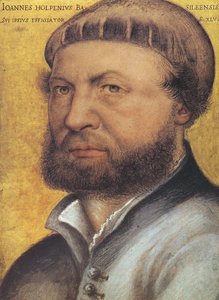
1497 - 1543 , Tyskland

Explore the life & art of Hans Holbein the Younger, a Renaissance master renowned for his strikingly realistic portraits and psychological insight. Discover iconic works like 'The Ambassadors' and delve into his lasting legacy.

Explore the breathtaking precision of Hans Holbein the Younger. From Tudor royal portraits to intricate Northern Renaissance details, discover the mastery behind his legendary works and learn how to bring this historical grandeur into your collection with museum-quality reproductions.

Explore the fascinating history of study and intellectual pursuit in Western art! Discover Renaissance scholars, iconic portraits like Holbein's Erasmus, and Leonardo’s studies – a journey through humanist ideals & artistic mastery. Learn more at Most-Famous-Paintings.

Utforska nordrenässansens 10 mest inflytelserika mästerverk! Lär känna Jan van Eyck, Dürer & Holbein. Upptäck symboliken och tekniken bakom tidlösa tavlor. Köp reproduktioner av högsta kvalitet på Most-Famous-Paintings.com.

Utforska de 10 mest ikoniska målningarna i nyanser av maroon – från romantik till expressionism. Lär känna konstnärerna och deras tekniker bakom tidlösa verk. Hitta din nya favorit på Most-Famous-Paintings.com!


Håll dig uppdaterad med de senaste konstnyheterna, exklusiva erbjudanden och inredningsidéer.
Berätta om ditt projekt så kommer våra konstexperter att ge dig 3 personliga konstförslag.
Vi skapar ett urval av 3 alternativ helt anpassat för dig – gratis!


 Visa i rummet
 Skicka
 Dela
Dela
 Detaljer

 Ladda ner
 Liknande objekt
 Röntgen
 Bildspel
 Läs mer







 Glasalternativet är endast tillgängligt i storlekar under 110 cm.