x

Sanatçılarımız tarafından sipariş üzerine hazırlanan; istediğiniz boyut ve çerçevede, tuval üzerine el boyaması yağlı boya. ( Baskı satın al Görsel satın al)





























Eserin orijinal oranlarıyla uyumlu, önceden belirlenmiş boyutlarımız arasından seçim yapın.

Belirli bir çerçeveye veya alana uyması için kendi boyutlarınızı girebilirsiniz. Seçtiğiniz boyut orijinal görüntünün oranlarıyla eşleşmiyorsa, sanat eserini kırparak veya ek el boyaması öğelerle resmi uzatarak ayarlayacağız. Üretim başlamadan önce onayınız için dijital bir taslak gönderilecektir.
Lütfen ekrandaki önizlemenin gerçek kırpmayı veya uzatmayı yansıtmadığını unutmayın. Nihai kompozisyonu yalnızca hazırlanan taslak doğru şekilde gösterecektir.
Özel boyutlar mevcut olsa da, orijinal oranları korumak adına önceden tanımlanmış listeden bir boyut seçmenizi öneririz.
Dünya Çapında Teslimat (); standart 5 hafta yerine 3/4 haftada. (21 Ağustos). Kaliteden ödün verilmez.


The Lucca Madonna
Reproduksiyon Boyutu
Jan van Eyck’s *Lucca Madonna*, completed around 1437, stands as a cornerstone of Early Netherlandish painting—a testament to meticulous observation and profound symbolic resonance. More than just a portrait of Mary cradling Jesus, it embodies the spiritual aspirations of its time, captivating viewers with its luminous beauty and masterful execution.
The painting depicts Mary seated on a wooden throne adorned with four lion statues crafted from brass—a deliberate reference to Solomon’s throne, symbolizing divine authority. This monumental chair dominates the scene, establishing a vertical axis that draws the eye upwards towards the canopy overhead. Two vases flank Mary, adding visual balance and subtly hinting at the virtues of humility and simplicity. The inclusion of a window behind Mary introduces depth and perspective, mirroring the architectural grandeur of churches during this period.
At its core, *Lucca Madonna* speaks to themes of motherhood, purity, and divine grace. Mary’s posture conveys serenity and devotion—a deliberate echo of depictions found in illuminated manuscripts and altarpieces. The infant Jesus, positioned prominently in her arms, symbolizes innocence and Christ’s divine presence. The vases and bowl serve as emblems of piety and contemplation, reinforcing the painting's spiritual message.
Van Eyck revolutionized artistic practice with his pioneering use of oil paint—a medium that allowed for unprecedented levels of realism and luminosity. He achieved this remarkable effect through a technique known as “wet-in-wet,” applying thin layers of pigment simultaneously to create subtle gradations of color and capturing the velvety texture of fabrics like Mary’s robe. The meticulous detail evident in every brushstroke—from the delicate folds of drapery to the luminous sheen on Jesus’ face—demonstrates Van Eyck's unparalleled skill.
*Lucca Madonna* flourished during the Burgundian Renaissance, a period marked by artistic innovation and intellectual fervor. This movement saw artists pushing boundaries in terms of realism and symbolism, reflecting the humanist ideals prevalent at the time. Its commission likely stemmed from a desire to honor Mary—the Virgin Mother—and express devotion within the context of religious piety.
Despite its age, *Lucca Madonna* continues to inspire admiration and contemplation. Its exquisite craftsmanship and profound symbolism transcend temporal boundaries, reminding us of the enduring power of art to convey spiritual truths. Most-Famous-Paintings.com offers meticulously crafted oil painting reproductions that allow collectors and enthusiasts alike to experience the majesty of this iconic masterpiece.
For more information on Jan van Eyck and his artistic legacy, visit Most-Famous-Paintings.com.

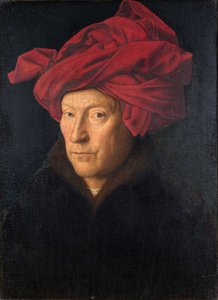
1390 - 1441 , Hollanda

Journey into the world of Early Netherlandish painting! Explore 10 masterpieces by Jan van Eyck, Rogier van der Weyden & more. Discover stunning detail, symbolism & Renaissance art for your home decor. Find museum-quality reproductions on Most-Famous-Paintings.com
Vincent van Gogh'un en ikonik 25 eserini keşfedin! Yıldızlı Gece, Ayçiçekleri ve daha fazlası... Sanat tarihi, renkler ve duygusal derinlik Most-Famous-Paintings.com'da. Ev dekorasyonunuz için yüksek kaliteli sanat baskıları şimdi online!

Explore the revolutionary art of Jan van Eyck! Discover his groundbreaking oil painting techniques, hidden symbolism, and lasting impact on the Early Netherlandish Renaissance. A deep dive for art enthusiasts.

Journey into the Early Netherlandish Renaissance! Explore 10 iconic paintings by Jan van Eyck, Rogier van der Weyden & more. Discover stunning detail, symbolism, and oil painting techniques. Find museum-quality art reproductions for your home at Most-Famous-Paintings.com.

Explore the captivating world of Early Netherlandish painting! Discover Jan van Eyck & other Flemish masters, their revolutionary techniques, hidden symbolism, and lasting legacy. A comprehensive guide for art enthusiasts.


En son sanat haberlerinden, özel tekliflerden ve dekorasyon fikirlerinden haberdar olun.
Projenizden bize bahsedin; sanat uzmanlarımız size özel 3 sanat eseri önerisi sunsun.
Size Özel 3 Seçeneği Ücretsiz Olarak Hazırlayalım!


 Önizleme yap
 Paylaş
 Paylaş
 Detayları Gör

 İndir
İndir
 Benzerlerini gör
 X-Işını
 Slayt Gösterisi

 Tümünü Gör







 Cam seçeneği yalnızca 110 cm altındaki boyutlar için mevcuttur.