


x


 Oil On CanvasWallArtNorthern Renaissance
 1535
1535 50.0 x 35.0 cm
 Nelson-Atkins Müzesi
Sanatçılarımız tarafından sipariş üzerine hazırlanan; istediğiniz boyut ve çerçevede, tuval üzerine el boyaması yağlı boya. ( Baskıya Geç Görsele Geç)





























Eserin orijinal oranlarıyla uyumlu, önceden belirlenmiş boyutlarımız arasından seçim yapın.

Belirli bir çerçeveye veya alana uyması için kendi boyutlarınızı girebilirsiniz. Seçtiğiniz boyut orijinal görüntünün oranlarıyla eşleşmiyorsa, sanat eserini kırparak veya ek el boyaması öğelerle resmi uzatarak ayarlayacağız. Üretim başlamadan önce onayınız için dijital bir taslak gönderilecektir.
Lütfen ekrandaki önizlemenin gerçek kırpmayı veya uzatmayı yansıtmadığını unutmayın. Nihai kompozisyonu yalnızca hazırlanan taslak doğru şekilde gösterecektir.
Özel boyutlar mevcut olsa da, orijinal oranları korumak adına önceden tanımlanmış listeden bir boyut seçmenizi öneririz.
Dünya Çapında Teslimat (); standart 5 hafta yerine 3/4 haftada. (3 Ağustos). Kaliteden ödün verilmez.


The Three Graces
Reproduksiyon Boyutu
Lucas Cranach the Elder’s “The Three Graces” transcends mere depiction; it embodies the very spirit of Northern Renaissance artistry—a harmonious blend of classical ideals and humanist observation. Painted in 1535 during a period marked by religious upheaval, this masterpiece at the Nelson-Atkins Museum of Art stands as a testament to Cranach’s mastery of capturing beauty and conveying profound symbolic meaning.
Style and Influences: Cranach's work firmly establishes itself within the Northern Renaissance tradition. Drawing inspiration from Italian humanist thinkers like Leonardo da Vinci and Michelangelo, he skillfully integrates classical motifs—particularly those derived from Greek mythology—into his compositions. Unlike the opulent grandeur of Florentine art, Cranach’s aesthetic prioritizes restraint and elegance, favoring subtle tonal gradations and meticulous detail to illuminate the human form.
Painting Details and Technique: Executed in oil on panel, “The Three Graces” showcases Cranach's unparalleled technical prowess. The artist employs a pyramidal composition—a hallmark of Renaissance painting—to elevate the figures of Euphrosyne, Aglaea, and Thalia to a position of prominence. Delicate brushstrokes create an illusion of soft flesh tones and drapery folds, capturing the ethereal quality characteristic of Northern Renaissance art. Cranach’s meticulous attention to anatomical accuracy reflects his deep understanding of human anatomy, furthering enhancing the realism of the scene.
Symbolism: The painting's symbolism resonates deeply with humanist beliefs prevalent during Cranach’s time. The Graces—Euphrosyne (Joy), Aglaea (Splendor), and Thalia (Youth)—represent virtues associated with feminine beauty, grace, and prosperity. Their poses are deliberately reminiscent of sculptures by Praxiteles, emphasizing the ideal human form and celebrating divine harmony. The black background serves to heighten the luminosity of the nude figures, directing the viewer’s gaze towards their serene expressions and idealized postures.
Historical Context: Created amidst the Protestant Reformation, “The Three Graces” reflects a renewed interest in classical art as a counterbalance to medieval religious dogma. Cranach's patrons—including Frederick III of Saxony—embraced humanist ideals, fostering an environment conducive to artistic innovation. This painting exemplifies the Renaissance’s commitment to portraying human beauty and virtue with dignity and grace – values that continue to inspire artists and collectors today.
Availability: Explore a stunning reproduction of “The Three Graces” at Most-Famous-Paintings.com, where you can acquire a high-quality print that captures the essence of this iconic Renaissance artwork.


1472 - 1553 , Almanya

New York Metropolitan Müzesi'nin en ikonik 25 eserini keşfedin! Van Gogh, Monet ve Rembrandt gibi ustaların hikayelerini öğrenin. Eviniz için sanat baskısı ve dekorasyon fikirleri Most-Famous-Paintings.com'da. Koleksiyonu şimdi inceleyin!
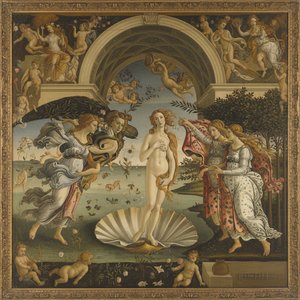
Sandro Botticelli'nin en iyi 25 eserini keşfedin! Rönesans sanatının incisi tabloların hikayelerini, renklerini ve anlamlarını öğrenin. Venus'un Doğuşu ve Primavera gibi ikonik yapıtlarla evinizi sanatsal bir şölene dönüştürün. Most-Famous-Paintings.com’da kaliteli sanat replikalarıyla tanışın.
Erken Rönesans'ın 10 başyapıtıyla sanat tarihine yolculuk! Botticelli, Leonardo da Vinci gibi ustaların eserleriyle evinizi dönüştürün. Most-Famous-Paintings.com’da müze kalitesinde replikalar ve benzersiz dekorasyon fikirleri keşfedin.
Raffaello'nun en iyi 25 eserini keşfedin! Rönesans sanatının zirvesinden ikonik tablolar, freskler ve portrelerin hikayelerini okuyun. Ev dekorasyonunuz için yüksek çözünürlüklü sanat baskıları Most-Famous-Paintings'ta. Koleksiyonu şimdi keşfedin!

Explore 10 Renaissance Humanism masterpieces by Leonardo da Vinci, Michelangelo & Raphael. Discover the stories behind these iconic paintings & sculptures and bring timeless art into your home with museum-quality reproductions from Most-Famous-Paintings.com. Explore the full collection online!


En son sanat haberlerinden, özel tekliflerden ve dekorasyon fikirlerinden haberdar olun.
Projenizden bize bahsedin; sanat uzmanlarımız size özel 3 sanat eseri önerisi sunsun.
Size Özel 3 Seçeneği Ücretsiz Olarak Hazırlayalım!


 Önizleme yap
 Paylaş
 Paylaş
 Detayları Gör

 İndir
İndir
 Benzerlerini gör
 X-Işını
 Slayt Gösterisi
 Tümünü Gör







 Cam seçeneği yalnızca 110 cm altındaki boyutlar için mevcuttur.


