x


 Baskıyı satın al Görseli Satın Al
 Paylaş
 Detayları Gör
 Favorilere ekle
 İndir
İndir
 Benzerlerini gör
 X-Işını
 Slayt Gösterisi
 Tuval Üzerine Yağlı BoyaDuvar SanatıPost-Empresyonizm
 189019. Yüzyıl
 65.0 x 81.0 cm
 National Gallery
Sanatçılarımız tarafından sipariş üzerine hazırlanan; istediğiniz boyut ve çerçevede, tuval üzerine el boyaması yağlı boya.





























Eserin orijinal oranlarıyla uyumlu, önceden belirlenmiş boyutlarımız arasından seçim yapın.

Belirli bir çerçeveye veya alana uyması için kendi boyutlarınızı girebilirsiniz. Seçtiğiniz boyut orijinal görüntünün oranlarıyla eşleşmiyorsa, sanat eserini kırparak veya ek el boyaması öğelerle resmi uzatarak ayarlayacağız. Üretim başlamadan önce onayınız için dijital bir taslak gönderilecektir.
Lütfen ekrandaki önizlemenin gerçek kırpmayı veya uzatmayı yansıtmadığını unutmayın. Nihai kompozisyonu yalnızca hazırlanan taslak doğru şekilde gösterecektir.
Özel boyutlar mevcut olsa da, orijinal oranları korumak adına önceden tanımlanmış listeden bir boyut seçmenizi öneririz.
Dünya Çapında Teslimat (); standart 5 hafta yerine 3/4 haftada. (18 Temmuz). Kaliteden ödün verilmez.


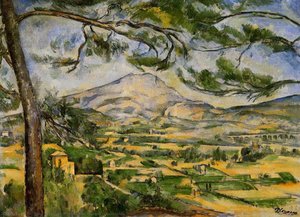
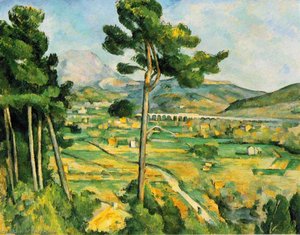
Provence Dağları
Reproduksiyon Boyutu
Paul Cézanne's "Mountains in Provence," painted in 1890, is more than just a landscape; it’s a pivotal work demonstrating his transition from Impressionism towards the revolutionary style that would heavily influence Cubism. This oil on canvas, residing within the esteemed National Gallery in London (measuring 65 x 81 cm), encapsulates Cézanne's unique approach to representing nature – one rooted in observation and structured analysis.
The painting depicts a serene hillside scene characteristic of Provence. The foreground features trees, rendered with Cézanne’s signature brushstrokes, while a prominent rock wall adds texture and depth. A small village nestled in the distance provides context and a sense of scale. Rather than striving for photographic realism, Cézanne organizes these elements into geometric planes, creating a composition that feels both naturalistic and deliberately constructed. The horizontal lines defining the landforms contribute to a feeling of expansive tranquility.
Cézanne’s artistic style in "Mountains in Provence" is defined by his meticulous study of form and his innovative use of color. He employed repetitive, exploratory brushstrokes – not to capture fleeting impressions like the Impressionists, but to build up complex fields of color that define volume and structure. Notice how he uses planes of color—varying shades of green, brown, yellow, and touches of blue—to represent the rocks and trees. These aren't blended smoothly; instead, they are applied in small, distinct strokes, creating a textured surface and contributing to the painting’s overall sense of solidity. This technique foreshadows his later explorations into geometric abstraction.
“Mountains in Provence” emerged during a period of significant artistic change. Cézanne was moving away from the fleeting effects of light championed by Impressionism, seeking instead to understand the underlying structure of nature. His work served as a crucial bridge between late 19th-century Impressionism and early 20th-century Cubism. Artists like Camille Pissarro recognized his genius early on, and Ambroise Vollard became a key supporter, showcasing Cézanne’s work in his Paris gallery. While initially met with incomprehension, Cézanne's innovative approach profoundly influenced subsequent generations of artists who sought to deconstruct and reassemble the visual world.
While seemingly tranquil, "Mountains in Provence" evokes a sense of quiet contemplation and enduring strength. The painting isn’t about capturing a specific moment; it's about conveying Cézanne’s deep understanding of the landscape and his ability to translate that understanding into a visual language that transcends mere representation. The work stands as a testament to Cézanne’s pioneering spirit and his lasting impact on modern art, solidifying his place as one of history’s most influential artists.


1839 - 1906 , Fransa

Explore the transformative era of Post-Impressionism. Discover how masters like Van Gogh moved beyond light to embrace emotion, structure, and vibrant color, redefining modern art history through expressive brushwork and symbolic depth.


En son sanat haberlerinden, özel tekliflerden ve dekorasyon fikirlerinden haberdar olun.
Projenizden bize bahsedin; sanat uzmanlarımız size özel 3 sanat eseri önerisi sunsun.
Size Özel 3 Seçeneği Ücretsiz Olarak Hazırlayalım!


 Paylaş

 Tümünü Gör







 Cam seçeneği yalnızca 110 cm altındaki boyutlar için mevcuttur.