


x

Sanatçılarımız tarafından sipariş üzerine hazırlanan; istediğiniz boyut ve çerçevede, tuval üzerine el boyaması yağlı boya. ( Baskı satın al Görsel satın al)





























Eserin orijinal oranlarıyla uyumlu, önceden belirlenmiş boyutlarımız arasından seçim yapın.

Belirli bir çerçeveye veya alana uyması için kendi boyutlarınızı girebilirsiniz. Seçtiğiniz boyut orijinal görüntünün oranlarıyla eşleşmiyorsa, sanat eserini kırparak veya ek el boyaması öğelerle resmi uzatarak ayarlayacağız. Üretim başlamadan önce onayınız için dijital bir taslak gönderilecektir.
Lütfen ekrandaki önizlemenin gerçek kırpmayı veya uzatmayı yansıtmadığını unutmayın. Nihai kompozisyonu yalnızca hazırlanan taslak doğru şekilde gösterecektir.
Özel boyutlar mevcut olsa da, orijinal oranları korumak adına önceden tanımlanmış listeden bir boyut seçmenizi öneririz.
Dünya Çapında Teslimat (); standart 5 hafta yerine 3/4 haftada. (23 Ağustos). Kaliteden ödün verilmez.


Ziyaret
Reproduksiyon Boyutu
Franz Anton Maulbertsch's fresco "Visitation," Meeting of Mary and Elisabeth (1771-77), stands as a testament to the harmonious fusion of Baroque grandeur and Rococo delicacy—a stylistic triumph that continues to captivate art historians and collectors alike. Executed during the zenith of the Rococo movement, this artwork resides within the serene sanctuary of a church, bathed in diffused light that illuminates its vibrant hues and intricate ornamentation.
Maulbertsch skillfully employs classical compositional principles—rooted in the works of Tiepolo and Troger—to craft a scene brimming with dynamism and emotional resonance. The central figure, Mary, embodies the idealized Virgin Mother archetype, positioned with deliberate grace and bearing a gesture of benediction – a symbol of divine blessing and prayerful devotion. Surrounding her are angelic beings and saints rendered with meticulous anatomical accuracy yet imbued with an ethereal luminescence characteristic of Rococo aesthetics.
The fresco technique itself underscores Maulbertsch’s artistic commitment to honoring venerable artistic traditions. Applying pigment directly onto wet plaster ensures remarkable durability and preserves the luminosity achieved through masterful blending—a technique perfected during the Baroque era. Observe how the architectural framework of the church—featuring arches and columns—frames the fresco, directing the viewer's gaze towards Mary and amplifying its significance as a focal point for contemplative prayer.
Note: The fresco’s radiant glow is achieved through careful manipulation of light and shadow, mirroring Baroque artistic conventions."Visitation" recounts the pivotal biblical episode wherein Mary undertakes a pilgrimage to Elizabeth, pregnant with John the Baptist—a moment symbolizing divine grace and maternal compassion. The angelic figures flanking Mary convey God’s benevolent affirmation of Mary's sanctity and righteousness. Their serene expressions reinforce the painting’s overarching message of hope and faith—a profound reflection of Christian theology expressed through visual splendor.
Franz Anton Maulbertsch cemented his place in art history as a conduit between the Baroque and Rococo eras, demonstrating an unparalleled understanding of artistic stylistic evolution. “Visitation” exemplifies this legacy—a breathtaking achievement that encapsulates not only the aesthetic splendor of its time but also the enduring power of religious art to inspire reverence and contemplation. Reproductions of this masterpiece offer discerning collectors and interior designers alike a chance to immerse themselves in the sublime artistry of Maulbertsch’s vision.


1724 - 1796 , Almanya

Explore the profound differences between Baroque drama and Rococo elegance. Our expert guide delves into art history, chiaroscuro, and the evolution of European masterpieces for collectors and enthusiasts seeking deep historical context.

Explore the elegance of Rococo art. From Watteau to Fragonard, discover the history, aesthetics, and masters of 18th-century luxury in this expert guide for art lovers and collectors.
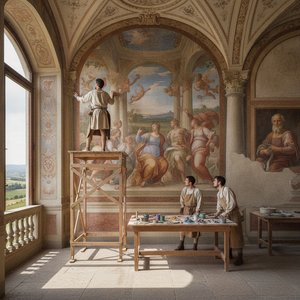
Explore the profound history and technical mastery of fresco painting. From ancient Roman murals to Michelangelo's Sistine Chapel, discover the enduring chemistry and artistry behind this timeless wall painting technique used by the world's greatest masters.

Explore the profound elegance of Baroque Classicism. Discover how 17th-century masters synthesized dramatic emotion with classical order through the lens of the Counter-Reformation and the works of legends like Carlo Maratta and Andrea Sacchi.


En son sanat haberlerinden, özel tekliflerden ve dekorasyon fikirlerinden haberdar olun.
Projenizden bize bahsedin; sanat uzmanlarımız size özel 3 sanat eseri önerisi sunsun.
Size Özel 3 Seçeneği Ücretsiz Olarak Hazırlayalım!


 Önizleme yap
 Paylaş
 Paylaş
 Detayları Gör

 İndir
İndir
 Benzerlerini gör
 X-Işını
 Slayt Gösterisi


 Tümünü Gör







 Cam seçeneği yalnızca 110 cm altındaki boyutlar için mevcuttur.


