x

 Tuval Üzerine Akrilik BoyaDuvar SanatıBaroque
 Rönesans
 41.0 x 33.0 cm
 Benaki Müzesi
Sanatçılarımız tarafından sipariş üzerine hazırlanan; istediğiniz boyut ve çerçevede, tuval üzerine el boyaması yağlı boya. ( Baskıya Geç Görsele Geç)





























Eserin orijinal oranlarıyla uyumlu, önceden belirlenmiş boyutlarımız arasından seçim yapın.

Belirli bir çerçeveye veya alana uyması için kendi boyutlarınızı girebilirsiniz. Seçtiğiniz boyut orijinal görüntünün oranlarıyla eşleşmiyorsa, sanat eserini kırparak veya ek el boyaması öğelerle resmi uzatarak ayarlayacağız. Üretim başlamadan önce onayınız için dijital bir taslak gönderilecektir.
Lütfen ekrandaki önizlemenin gerçek kırpmayı veya uzatmayı yansıtmadığını unutmayın. Nihai kompozisyonu yalnızca hazırlanan taslak doğru şekilde gösterecektir.
Özel boyutlar mevcut olsa da, orijinal oranları korumak adına önceden tanımlanmış listeden bir boyut seçmenizi öneririz.
Dünya Çapında Teslimat (); standart 5 hafta yerine 3/4 haftada. (6 Ağustos). Kaliteden ödün verilmez.


St Luke Virgin and Child Paintingi
Reproduksiyon Boyutu
Doménikos Theotokópoulos, universally known as El Greco (1541–1614), stands apart from his contemporaries as a painter who fused Byzantine tradition with Western Renaissance innovation. His magnum opus, St Luke Painting the Virgin and Child (1567–68), exemplifies this singular artistic vision—a testament to his mastery of both spiritual depth and stylistic experimentation. The painting isn’t merely a depiction; it's an immersion into a world where faith and emotion collide with breathtaking visual power.
Commissioned by King Philip II for the chapel of Saint Luke in the Escorial church, the artwork represents a pivotal moment in El Greco’s career. Recognizing the influence of Venetian art on his formative years – particularly the vibrant color palettes and dramatic lighting – he skillfully blended Byzantine iconography with Mannerist aesthetics—a daring move that cemented his reputation as an artist unafraid to challenge conventions. This wasn't simply imitation; it was a radical reinterpretation, injecting a uniquely Spanish sensibility into a deeply rooted religious subject.
The scene itself is profoundly moving: Saint Luke, rendered with an almost sculptural intensity, meticulously portrays the Virgin and Child. El Greco’s distinctive style is immediately recognizable – elongated figures convey a palpable sense of emotion, as if the very souls of the subjects are straining to break free from the canvas. The vibrant colors—particularly ultramarine blue, used with astonishing richness—create an atmosphere of solemn grandeur, drawing the viewer into the heart of the sacred narrative. The serpent coiled around the paper bearing El Greco's signature isn’t a mere decorative element; it’s a potent symbol – representing the eternal struggle between good and evil, mirroring the broader theological concerns of his time and subtly echoing themes found in classical mythology.
This artwork is a testament to El Greco's extraordinary technical skill. Executed as a tempera painting on panel, it showcases his meticulous attention to detail. The layering of translucent glazes – a hallmark of the technique – creates an ethereal luminosity, particularly evident in the skin tones and drapery folds. The artist’s mastery extends beyond mere execution; he understood how light itself could be manipulated to evoke specific emotions. Note the subtle gradations of color, the way shadows deepen and brighten, creating a sense of three-dimensionality that transcends the limitations of the medium.
Beyond its visual splendor, St Luke Painting the Virgin and Child speaks to a profound spiritual yearning. The painting’s meticulous detail—from the drapery folds to the luminous skin tones—reflects El Greco's unwavering commitment to capturing the essence of faith and devotion. The composition itself is carefully constructed to guide the viewer’s eye, drawing attention to key elements within the scene – the infant Jesus, a symbol of innocence and redemption; Mary, presented as a figure of serene dignity and maternal love; and Saint Luke himself, acting as both witness and interpreter of this sacred event. The inclusion of the serpent is particularly significant, representing temptation and sin, but ultimately overshadowed by the divine grace embodied in the Virgin and Child.
Located at the Benaki Museum in Athens, this tempera painting on panel offers viewers an unparalleled glimpse into the artistic landscape of Spain during the Golden Age. Its enduring legacy continues to inspire artists and collectors alike—a timeless masterpiece that transcends stylistic boundaries and resonates with universal human emotions. El Greco’s work remains a powerful reminder of the capacity of art to evoke profound spiritual experiences, and his unique vision continues to captivate audiences centuries later.
For more information about El Greco’s life and work, visit https://Most-Famous-Paintings.com. To delve deeper into his artistic journey, explore https://en.wikipedia.org/wiki/El_Greco.
Doménikos Theotokópoulos, known to the world as El Greco (meaning “The Greek”), was a painter, sculptor, and architect who stands as one of the most unique figures in the history of Western art. His dramatic and intensely emotional works bridged the gap between the Renaissance and the Baroque periods, while simultaneously forging a distinctly personal style.

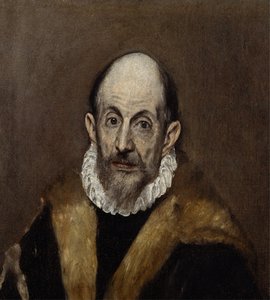
1541 - 1614 , Girit

Journey into the Early Netherlandish Renaissance! Explore 10 iconic paintings by Jan van Eyck, Rogier van der Weyden & more. Discover stunning detail, symbolism, and oil painting techniques. Find museum-quality art reproductions for your home at Most-Famous-Paintings.com.
Vincent van Gogh'un en ikonik 25 eserini keşfedin! Yıldızlı Gece, Ayçiçekleri ve daha fazlası... Sanat tarihi, renkler ve duygusal derinlik Most-Famous-Paintings.com'da. Ev dekorasyonunuz için yüksek kaliteli sanat baskıları şimdi online!

Journey into the world of Early Netherlandish painting! Explore 10 masterpieces by Jan van Eyck, Rogier van der Weyden & more. Discover stunning detail, symbolism & Renaissance art for your home decor. Find museum-quality reproductions on Most-Famous-Paintings.com
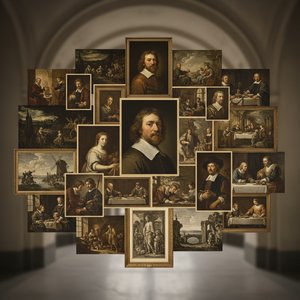
Rembrandt'ın en ünlü 25 eserini keşfedin! Hollanda Altın Çağı'nın bu Barok dehasının ışık ve gölge oyunlarıyla dolu portreleri, tarihi resimleri sizi büyüleyecek. Sanat baskıları ve ev dekorasyonu için Most-Famous-Paintings.com'da Rembrandt koleksiyonunu inceleyin.

Explore the revolutionary art of Rogier van der Weyden, a pivotal figure of the Early Netherlandish Renaissance. Discover his emotional realism, innovative compositions, and lasting impact on painting history.


En son sanat haberlerinden, özel tekliflerden ve dekorasyon fikirlerinden haberdar olun.
Projenizden bize bahsedin; sanat uzmanlarımız size özel 3 sanat eseri önerisi sunsun.
Size Özel 3 Seçeneği Ücretsiz Olarak Hazırlayalım!


 Önizleme yap
 Paylaş
 Paylaş
 Detayları Gör

 İndir
İndir
 Benzerlerini gör
 X-Işını
 Slayt Gösterisi
 Tümünü Gör







 Cam seçeneği yalnızca 110 cm altındaki boyutlar için mevcuttur.