x
Написана вручну олією на полотні у вашому розмірі та рамі, виготовлена на замовлення нашими художниками. ( Замовити принт Купити цифрове зображення)





























Обирайте з наших стандартних розмірів, що відповідають оригінальним пропорціям твору мистецтва.

Ви можете вказати власні розміри, щоб репродукція ідеально підійшла до конкретної рами або інтер'єру. Якщо вибраний вами розмір не відповідає пропорціям оригіналу, ми або обріжемо полотно, або доповнимо картину додатковими елементами, промальованими вручну. Цифровий макет буде надіслано вам на затвердження перед початком виробництва.
Зверніть увагу, що попередній перегляд на екрані не відображає фактичне обрізання або розширення зображення. Тільки макет точно покаже остаточну композицію.
Хоча ми можемо виготовити виріб у нестандартному розмірі, для збереження оригінальних пропорцій рекомендуємо обирати варіанти зі встановленого списку.
Доставка по всьому світу () за 3–4 тижні замість стандартних 5 тижнів. (17 Серпень). Без жодних компромісів у якості.


Фаетон
Розмір репродукції
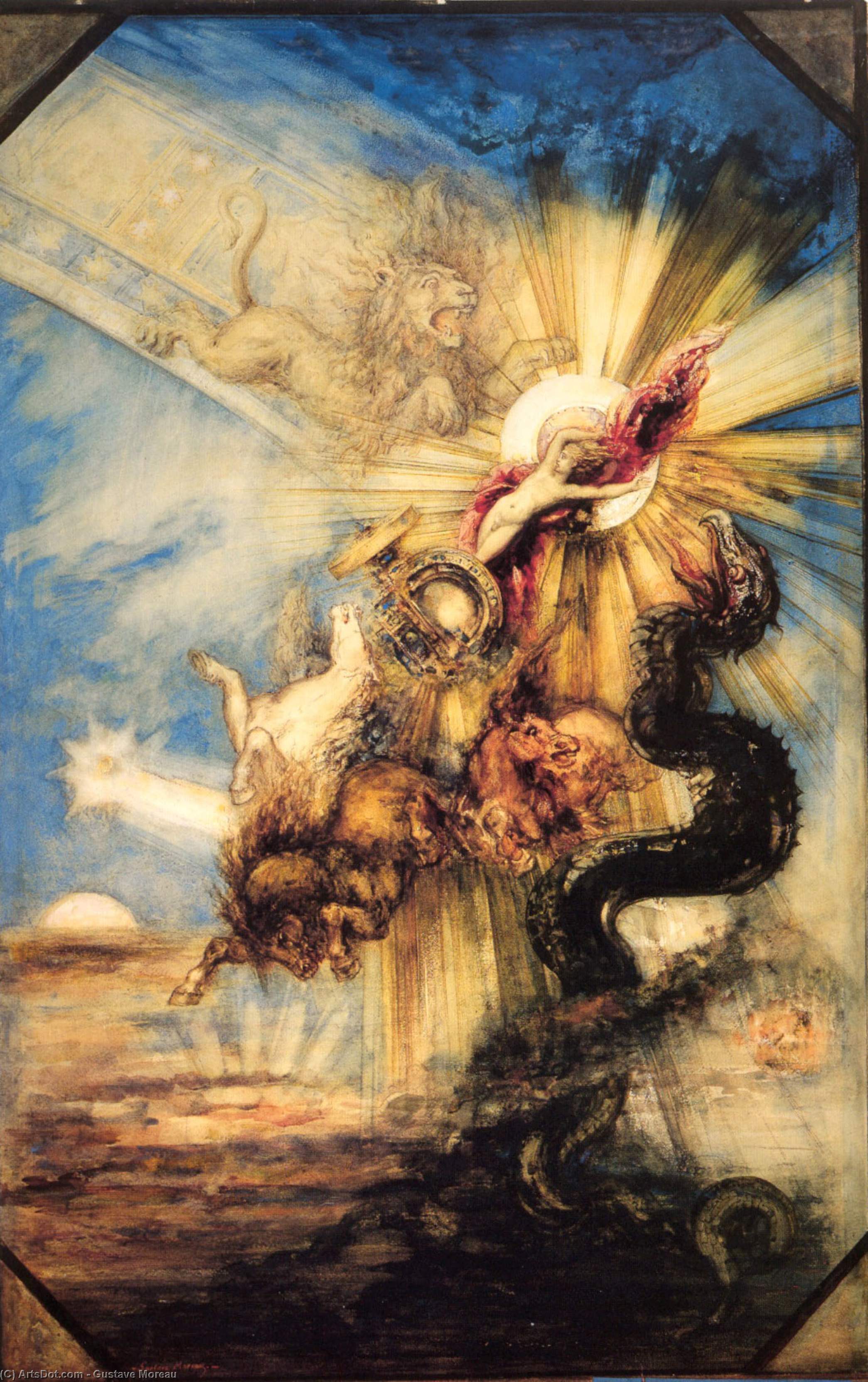
The world of Gustave Moreau—a name synonymous with the shimmering depths of Symbolism—offers a profound and often unsettling glimpse into the human psyche. His 1878 painting, "Phaethon," housed within the hallowed halls of the Musée du Louvre in Paris, is not merely a depiction of a Greek myth; it’s an immersive experience, a carefully constructed tableau of ambition, hubris, and impending doom. Moreau doesn't simply illustrate the story of Phaeton, son of Helios, attempting to drive his father’s chariot across the sky; he meticulously crafts a psychological landscape, inviting us into the heart of a dramatic struggle that transcends time.
Moreau’s approach was deeply rooted in Symbolism, a movement rejecting the objective realism prevalent in earlier art. Instead of striving for photographic accuracy, he sought to capture inner states and spiritual truths through evocative imagery and layered symbolism. “Phaethon” exemplifies this perfectly—it's less about a literal scene and more about conveying the overwhelming sensation of reckless ambition spiraling out of control. The painting pulsates with an almost palpable tension, born from the collision of divine power and youthful folly.
The painting’s visual impact is immediately arresting, dominated by a rich, intensely saturated palette—deep reds, vibrant blues, and shimmering golds. Moreau masterfully employs *chiaroscuro*, the dramatic contrast between light and shadow, to heighten the sense of drama and create a theatrical atmosphere. The figures are rendered with meticulous detail, their faces etched with expressions of awe, fear, and desperate determination. Notice particularly the intense focus in Phaeton’s eyes, reflecting both his ambition and the terrifying realization of his impending failure.
Moreau's technique is a fascinating blend of academic precision and innovative Symbolist sensibilities. He was trained in the traditional methods of the École des Beaux-Arts, evident in the careful rendering of drapery and anatomical detail. However, he deliberately departs from strict realism, employing flattened perspectives, elongated figures, and an almost dreamlike quality to convey his intended emotional impact. The use of tempera on canvas creates a textured surface that adds to the painting’s overall richness and depth.
“Phaethon” is a veritable treasure trove of symbolic imagery, inviting multiple interpretations. The chariot itself represents power, control, and ultimately, the dangers of unchecked ambition—a potent metaphor for humanity’s relentless pursuit of greatness. The two wild horses pulling the chariot are not simply beasts of burden; they embody untamed forces, representing the chaos and unpredictability that accompany reckless endeavors. The lone bird circling above, a motif frequently found in Moreau's work, acts as a silent witness to the unfolding tragedy, perhaps symbolizing fate or divine judgment.
Crucially, the figures surrounding Phaeton—the onlookers filled with awe and fear—are not passive observers; they represent humanity’s reaction to hubris. Their expressions reflect our own anxieties about power, responsibility, and the potential consequences of our actions. The painting subtly suggests that Phaethon's fate is not merely his own but a reflection of human nature itself.
Gustave Moreau’s “Phaethon” stands as a cornerstone of Symbolist art, demonstrating the movement’s ability to transform classical myths into profound explorations of the human condition. His meticulous attention to detail, combined with his evocative use of color and symbolism, creates an unforgettable visual experience—a descent into mythic chaos that continues to resonate with viewers today. Reproductions of this masterpiece offer a unique opportunity to bring Moreau's dreamlike visions into your own space, inviting contemplation and sparking the imagination.

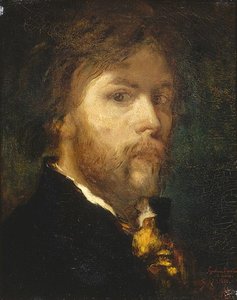
1826 - 1898 , Франція

Explore the profound history and technical brilliance of oil on panel painting. From Renaissance masters to modern techniques, discover why this rigid support offers unparalleled precision and permanence for fine art lovers and collectors.


Будьте в курсі останніх новин зі світу мистецтва, ексклюзивних пропозицій та ідей для декорування.
Розкажіть нам про свій проєкт, і наші експерти з мистецтва підготують для вас 3 персоналізовані пропозиції щодо творів мистецтва.
Дозвольте нам підібрати 3 варіанти спеціально для вас — безкоштовно!


 Переглянути в інтер'єрі
 Надіслати як листівку
 Поділитися
 Детальніше

 Завантажити
 Схожі експонати
 Рентгенівське дослідження
 Слайд-шоу


 Читати далі







 Скляний варіант доступний лише для розмірів до 110 см