early life and education
george frederic watts, a prominent figure in the
symbolist movement, was born on february 23, 1817, in marylebone, london. his early life was marked by delicate health and the loss of his mother at a young age. watts' father, a piano-maker, provided him with a conservative christian education and introduced him to the classics, including the iliad. this classical influence would later become a cornerstone of his artistic style.
career
watts began his artistic journey at the age of 10, learning sculpture under william behnes. he later enrolled as a student at the
royal academy schools at 18. his first exhibition at the academy in 1837 marked the beginning of his prolific career.
- caractacus, a drawing submitted for a competition to design murals for the new houses of parliament, earned watts a first prize in 1843.
- his subsequent travels to italy (1843-1847) and his association with the british ambassador henry fox influenced his style, as seen in his portrait of lady holland, exhibited in 1848.
- watts' return to britain led to a commission for a fresco in the houses of parliament, which he completed between 1848 and 1853.
symbolist masterpieces
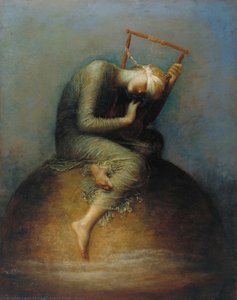
watts' most famous works include:
legacy
watts' influence on the art world is undeniable. his association with the
symbolist movement and his innovative use of color and form have made him a beloved figure in the history of british art.
view george frederic watts' artworks on Most-Famous-Paintings.com museums featuring watts' work
discover more about george frederic watts and his contributions to the symbolist movement on Most-Famous-Paintings.com.