x
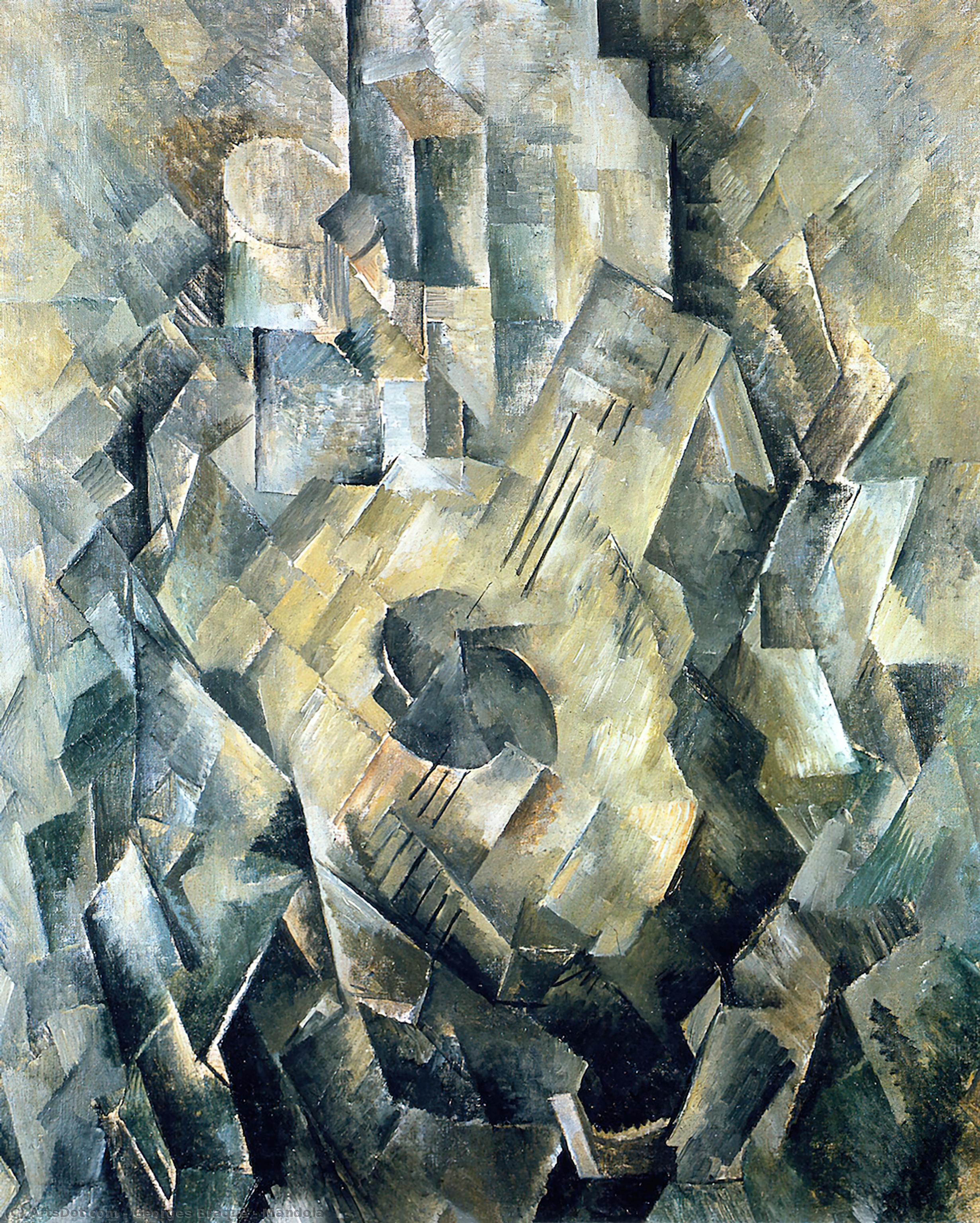
Museum-quality hand-painted reproductions and archival canvas prints of history's most celebrated works. Every piece researched, crafted, and delivered with curatorial care.
The painters who shaped the way humanity sees beauty, light, and form. Hover to explore their defining works.
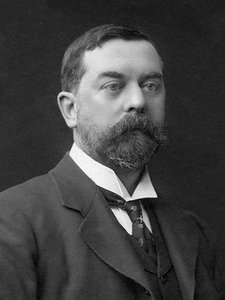
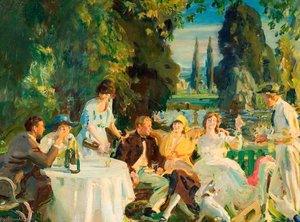
Explore the art of John Singer Sargent! Discover iconic portraits like 'Madame X', Impressionistic landscapes & Gilded Age elegance from this American master.

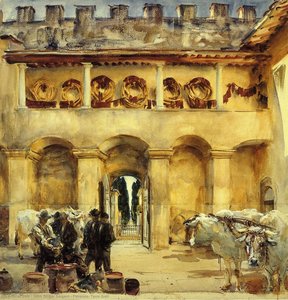

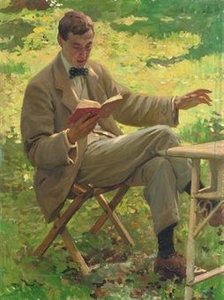
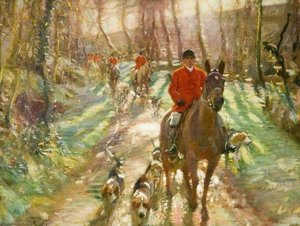
Sir Alfred James Munnings (1878-1959): Discover England's foremost horse painter! Explore vibrant Impressionistic scenes of hunting, racing & rural life. A passionate defender of traditional art.

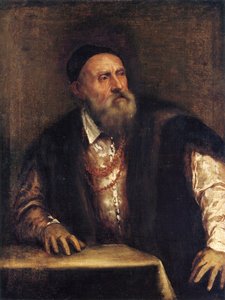
Titian (1488-1576): Venetian master of color & light, renowned for his portraits, mythological scenes, and innovative painting techniques. Explore a life of artistic brilliance.


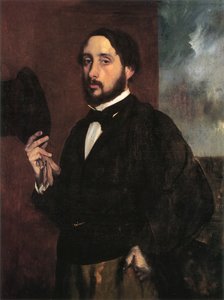
Edgar Degas: A revolutionary French artist known for his captivating ballet dancers, Parisian scenes, and innovative techniques—a true master of modern art.


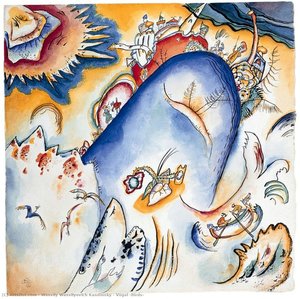
Discover Wassily Kandinsky (1866-1944), the pioneer of abstract art! Explore his vibrant expressionism, spiritual themes & Bauhaus legacy through stunning reproductions.


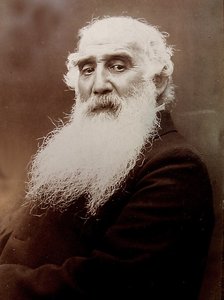
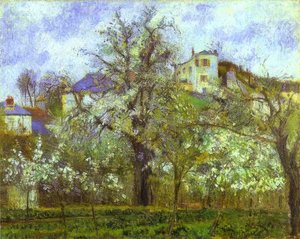
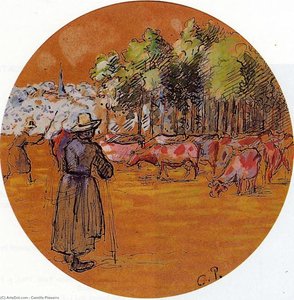
Explore Camille Pissarro's art: Impressionist & Neo-Impressionist landscapes and scenes of daily life. A pivotal figure influencing Van Gogh, Cézanne & more.


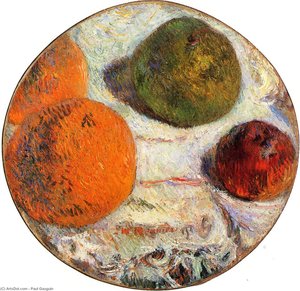
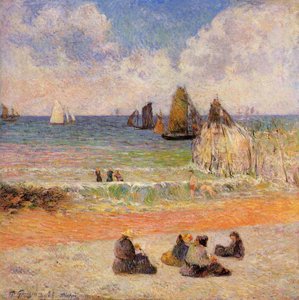
Paul Gauguin: A revolutionary Post-Impressionist painter known for bold colors, exotic subjects & Symbolist themes. Explore his journey from finance to artistic legend.


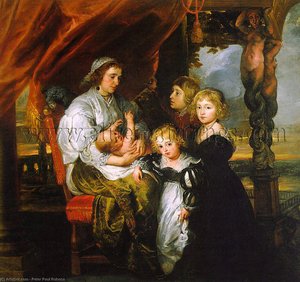
Sir Peter Paul Rubens: A Baroque master! Known for dynamic compositions, vibrant colors & iconic works like 'The Massacre of the Innocents.' Explore his life & art.



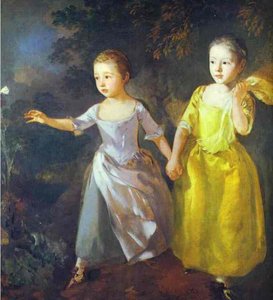
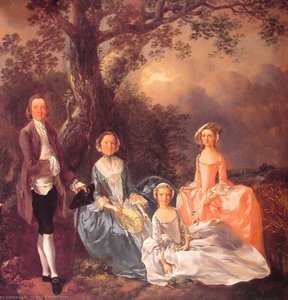
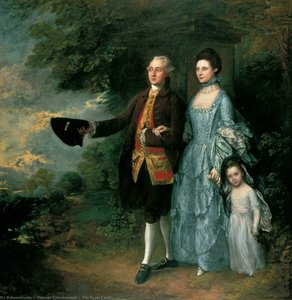
Thomas Gainsborough (1727-1788): Explore the elegant portraits & landscapes of this British master, Royal Academy founder & influence on Constable.
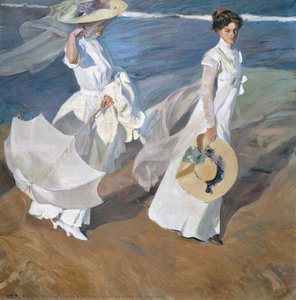
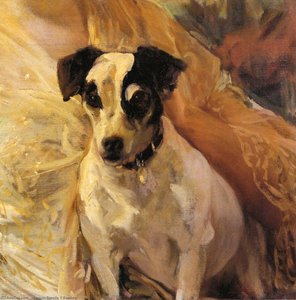
Joaquín Sorolla: A Spanish master of light and color! Witness his vibrant portraits & beach scenes capturing the essence of Mediterranean life. Explore his legacy today!

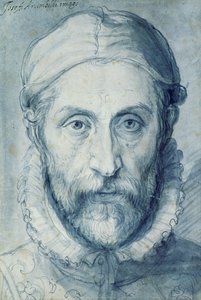
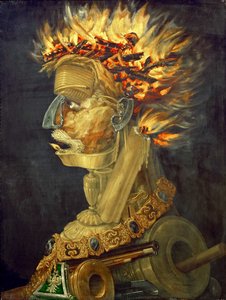
Discover Giuseppe Arcimboldo (1527-1593), the Italian Mannerist master renowned for his surreal portraits composed of fruits, vegetables & objects. Explore his whimsical yet insightful art!
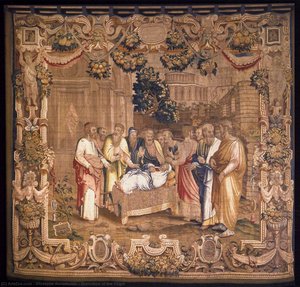

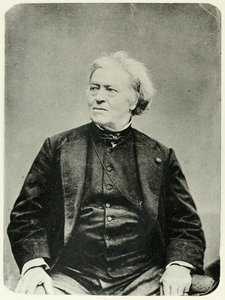
Discover Jean-Baptiste-Camille Corot (1796-1875), the master of atmospheric landscapes bridging Neoclassicism & Impressionism. Explore his serene paintings and lasting influence on art history.

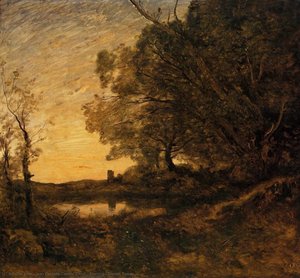

Not a print. A hand-painted oil reproduction of the world's greatest works — framed in solid wood and delivered ready to hang.
Navigate eight centuries of artistic achievement — from Byzantine gold to contemporary pluralism — and find the works that speak to you.
c. 500–1000 CE
Characterized by the fusion of classical Greco-Roman, Christian, and barbarian artistic traditions across Europe. This era saw the height of Byzantine imperial splendor, the development of intricate insular illumination, and the rise of Carolingian and Ottonian monastic workshops. Art primarily served liturgical functions, emphasizing spiritual abstraction over naturalistic representation.

c. 1000–1300 CE
Marked by a dramatic expansion of urban centers and religious institutions across Western Europe. This period witnessed the development of monumental Romanesque stone sculpture and the subsequent birth of the Gothic style, defined by soaring rib vaults and luminous stained glass. Imagery became more expressive, reflecting a deeply structured feudal and ecclesiastical worldview.
c. 1300–1400 CE
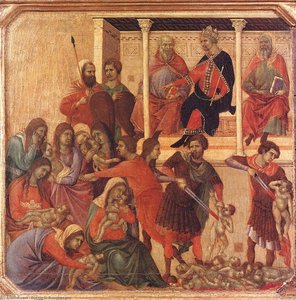
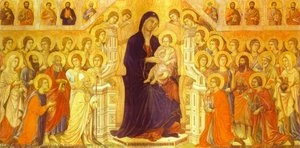
A transformative era defined by profound social shifts and the devastating impact of the Black Death. Artistic production responded with intensely emotive, humanized religious imagery. The International Gothic style brought refined courtly elegance to panel painting, while Italian Proto-Renaissance pioneers began reintroducing spatial depth, laying the groundwork for humanistic naturalism.


c. 1400–1600 CE
Characterized by a self-conscious revival of classical antiquity and the rise of intellectual humanism. Artists revolutionized visual culture through the mathematical mastery of linear perspective, anatomical precision, and the development of oil painting techniques. No longer mere artisans, creators achieved elevated status, balancing secular civic pride with innovative sacred commissions.

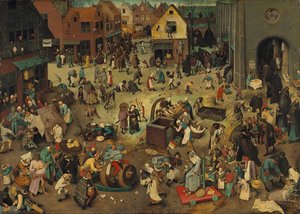
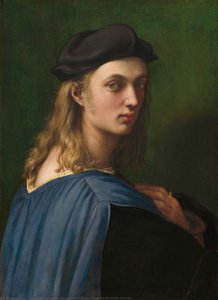
c. 1600–1800 CE
Spanning the dynamic shifts of the seventeenth and eighteenth centuries, this era encompasses the theatrical grandeur of the Baroque and the delicate intimacy of the Rococo. Driven by Counter-Reformation zeal and the wealth of global trade networks, artists manipulated light, shadow, and scale to create emotionally charged, politically potent visual environments.

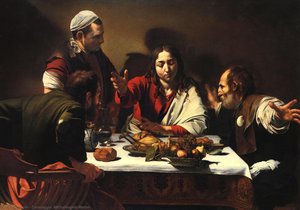
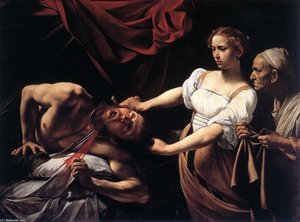
c. 1800–1900 CE
An era of rapid industrialization and socio-political upheaval that shattered traditional academic hegemony. Artistic production fragmented into a succession of revolutionary movements: the emotional intensity of Romanticism, the unvarnished truth of Realism, and the ephemeral light studies of Impressionism. This period fundamentally redefined the relationship between the artist and modern society.
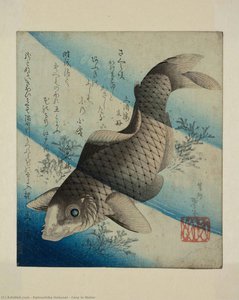
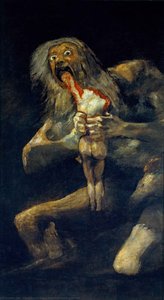
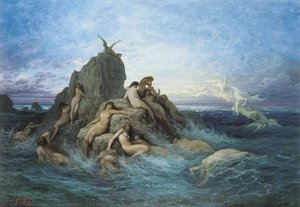
c. 1900–1970 CE
Defined by a radical rejection of traditional representation and the celebration of the avant-garde. Spurred by global conflicts and technological acceleration, artists embraced abstraction and conceptual experimentation. Movements such as Cubism, Expressionism, and Pop Art interrogated the very definition of art, reflecting the fragmented psychological landscape of twentieth-century life.

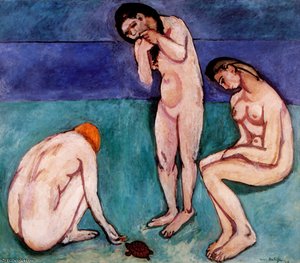

c. 1970–Present
Encompassing diverse artistic practices from the late twentieth century to the present day. Characterized by pluralism and postmodern critique, this era moves beyond singular movements to embrace installation, performance, and digital media. Artists engage directly with global networks, questioning identities, geopolitical structures, and the boundaries of an increasingly interconnected visual culture.
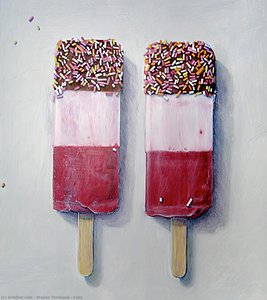
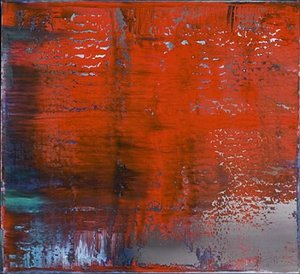
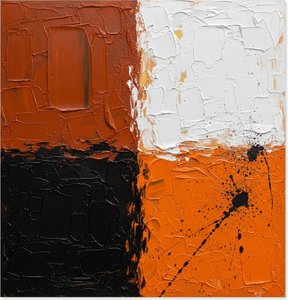
Every great painting, hand-reproduced in oil and delivered ready to hang. Find yours.
Browse our collection by the movements that reshaped how painters saw — and how the world saw paintings.


Rejecting idealized academic conventions and dramatic romanticism, Realism emerged in the mid-19th century as a deliberate effort to document everyday life with unvarnished objectivity. Painters focused on the working class, mundane tasks, and contemporary social realities, favoring earthy palettes and honest representation over mythologized or heroic subjects.
Explore collection


Developed in the late 19th and early 20th centuries, this movement captured the changing landscape of American life with profound honesty. Artists documented rapidly growing urban centers, industrial labor, and quiet rural communities, creating a distinct visual identity that reflected the social transformations, grit, and unique character of a developing nation.
Explore collection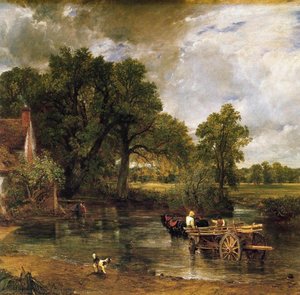
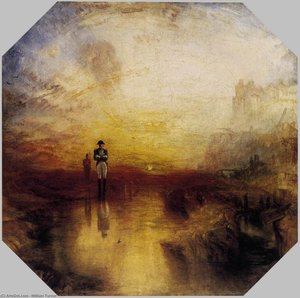
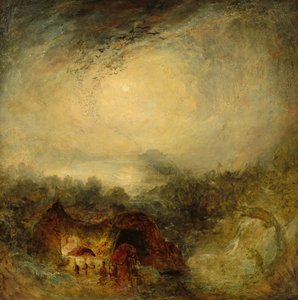
Arising in the late 18th century as a critique of Enlightenment rationalism, Romanticism championed intense emotion, individual imagination, and the awesome power of nature. Artworks from this period frequently feature dramatic compositions, rich colorism, and a fascination with the sublime, emphasizing human vulnerability against vast, untamable elements.
Explore collection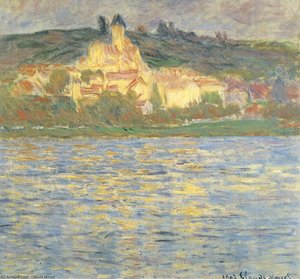

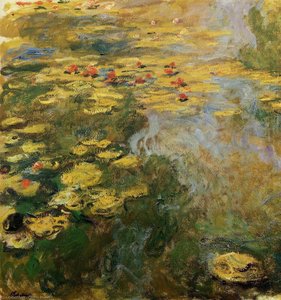
Originating in late 19th-century France, Impressionism revolutionized Western painting by discarding formal studio practices for plein-air execution. Characterized by loose, visible brushwork and a vivid palette, artists prioritized the shifting effects of light, atmospheric conditions, and transient everyday moments over precise line and traditional narrative content.
Explore collection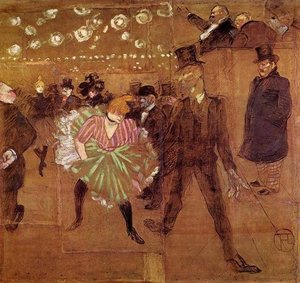
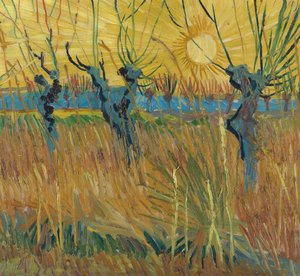
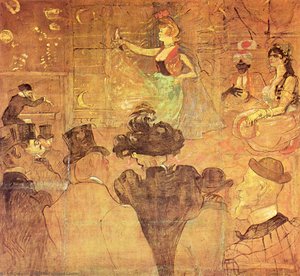
Emerging as an extension of and reaction to Impressionism, this diverse late 19th-century movement shifted focus from objective sensory perceptions to structured, symbolic expression. Artists employed vivid, non-naturalistic color, thick paint application, and defined geometric forms to explore personal psychological depths and greater formal order on the canvas.
Explore collection
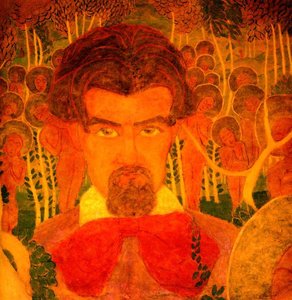

This late 19th-century avant-garde movement rejected literal representation in favor of expressing ideas, psychological states, and spiritual truths through metaphorical imagery. Heavily influenced by poetry and mysticism, artists constructed dreamlike, allegorical scenes that prioritized internal emotions, mythology, and the subconscious over the objective observation of the natural world.
Explore collection
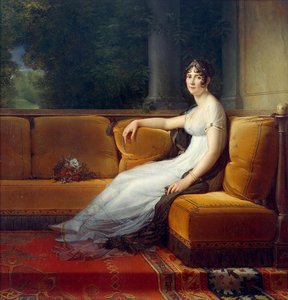
Inspired by the archaeological rediscovery of classical antiquity, Neoclassicism dominated the late 18th century by emphasizing rationality, order, and civic virtue. Reacting against late Baroque decorative excesses, paintings feature austere, symmetric compositions, linear precision, smooth surfaces, and historical subject matter designed to inspire moral clarity and political duty.
Explore collection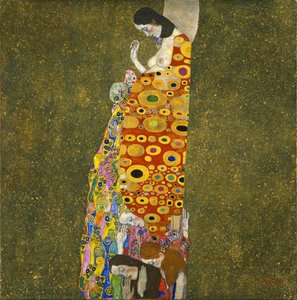

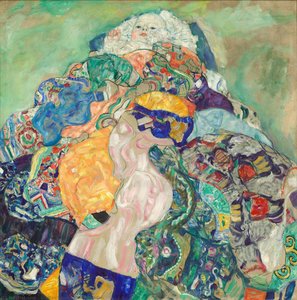
Flourishing at the turn of the 20th century, Art Nouveau sought to break down the traditional hierarchy between fine art and applied arts. Visually defined by sinuous, flowing lines, organic curves, and elegant botanical motifs, the movement aimed to create a harmoniously integrated aesthetic environment encompassing painting, architecture, and decorative objects.
Explore collection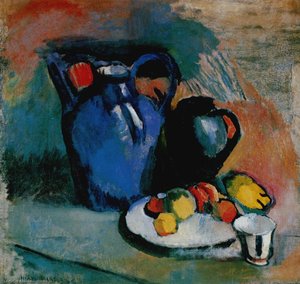
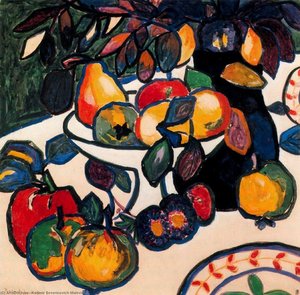
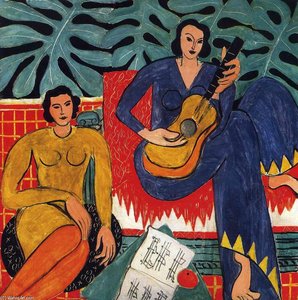
Pioneered in the early 20th century, Fauvism was characterized by its revolutionary use of explosive, non-naturalistic color and raw, visible brushwork. Artists liberated color from its traditional descriptive role, employing pure, unmodulated pigments directly from the tube to project intense emotion and establish structural rhythm independent of literal reality.
Explore collection


Encouraged by the Counter-Reformation in the 17th century, Baroque art is defined by dynamic movement, theatrical grandeur, and intense emotional appeal. Masters used pronounced chiaroscuro — a sharp contrast between deep shadow and piercing light — to craft deeply immersive, awe-inspiring compositions that engaged the viewer's spirituality through vivid sensory experiences.
Explore collection


Marking the transition from the medieval period to modernity, the Renaissance witnessed a profound revival of classical Greco-Roman learning and philosophy. Artistically, this era introduced revolutionary advancements in linear perspective, anatomical precision, and balanced, harmonious proportions, synthesizing deep Christian devotion with a newly awakened scientific humanism and naturalism.
Explore collection


Originating in early 20th-century northern Europe, Expressionism prioritized the depiction of subjective psychological states over objective external reality. Artists utilized radical formal distortion, harsh jagged lines, and jarring, unnatural colors to project internal anxieties, alienation, and raw emotional intensity, frequently offering a pointed critique of modern industrial society.
Explore collection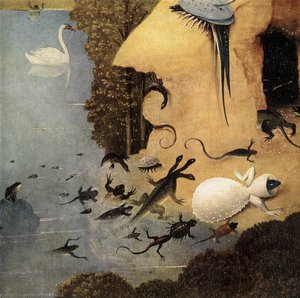
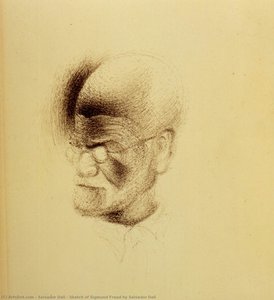

Founded in the 1920s, Surrealism aimed to bridge the fractured boundaries between dream and reality by liberating the creative power of the subconscious mind. Influenced deeply by psychoanalysis, artists utilized unexpected, bizarre juxtapositions, automatism, and illusionistic techniques to challenge rational thought and explore the poetic logic of the unconscious.
Explore collection
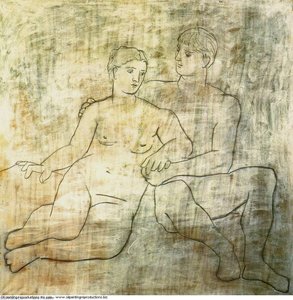

Co-founded in the early 20th century, Cubism radically dismantled centuries of traditional perspective by deconstructing objects into flat, geometric facets. Instead of depicting a subject from a single static viewpoint, artists rendered figures from multiple angles simultaneously, asserting the canvas as a conceptual, two-dimensional construction rather than an illusionistic window.
Explore collection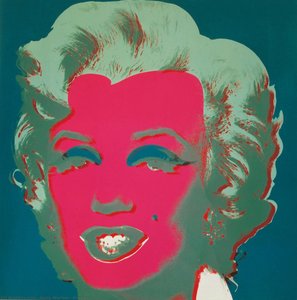

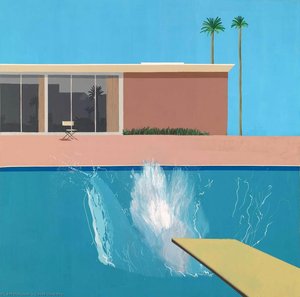
Emerging in the mid-20th century, Pop Art challenged the elitism of traditional fine art by incorporating imagery from popular culture, mass media, and consumerism. Utilizing commercial printing techniques, comic strip aesthetics, and bold advertising palettes, artists mirrored and critiqued post-war society, effectively blurring the boundaries between high and low culture.
Explore collection
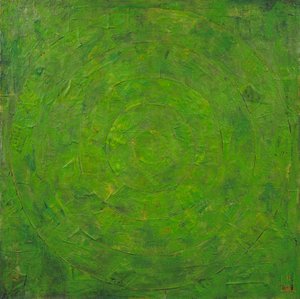

Developing in post-World War II New York, Abstract Expressionism shifted the focus of painting to pure abstraction and monumental scale. Through spontaneous gestural brushwork, action painting, and expansive color fields, artists sought to communicate universal human emotions and cross-cultural spiritual truths directly from the subconscious, emphasizing the physical act of creation.
Explore collection
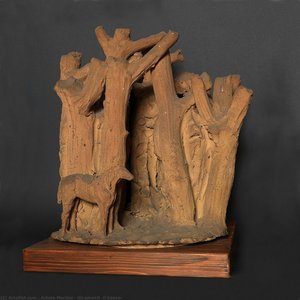
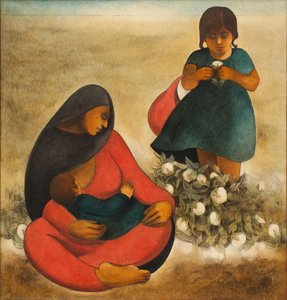
Spanning the late 19th to mid-20th centuries, Modernism represents a broad, experimental break from classical academic traditions in response to rapid industrialization and global change. Embracing the ethos of constant reinvention, artists systematically questioned the nature of representation, exploring fragmentation, abstraction, and the intrinsic qualities of their artistic mediums.
Explore collection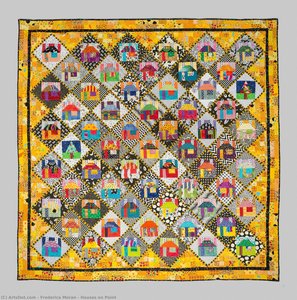

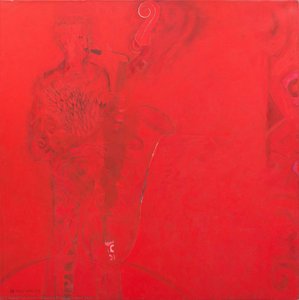
Produced from the late 20th century to the present, Contemporary art is characterized by a globally diverse, institutionally critical, and technologically fluid landscape. Moving beyond traditional boundaries of style and medium, artists utilize conceptual frameworks, digital tools, and multimedia installations to engage dynamically with urgent themes of identity, globalization, and socio-political critique.
Explore collectionWe catalogue masterpieces from thousands of institutions worldwide. Explore their collections — then bring the works home.
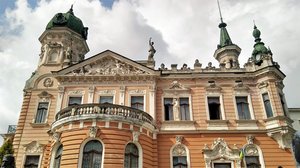
Discover Ukrainian art & history at Lviv's Museum of Fine Arts! Explore medieval icons, Boychuk’s monumental frescoes & more. A cultural gem for Lviv tourism.
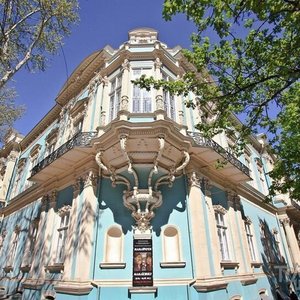
Explore Rembrandt’s ‘Self Portrait in Oriental Attire’! A masterpiece of Dutch Golden Age art, showcasing dramatic chiaroscuro & cultural influence. Discover this iconic painting.
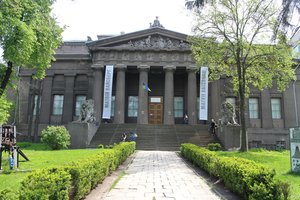
Delve into Ukraine's artistic soul at the National Art Museum of Kyiv! Admire iconic Ukrainian paintings & icons—including Byzantine relics & Baroque masterpieces—within its neoclassical architectural splendor.
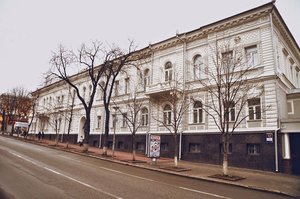
Explore Ukraine's soul at the Taras Shevchenko National Museum! Discover the life & art of its national poet, through stunning paintings, manuscripts & an innovative AI Avatar.
Three readings on a shared theme — chosen by our editorial team to deepen your appreciation of the works in our collection.
 Ebook
Ebook
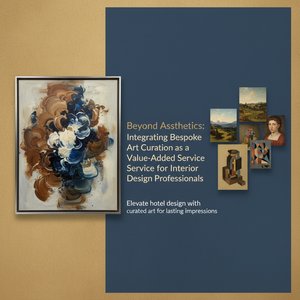
Elevate your hotel design with expert art curation services. We help luxury hospitality professionals create immersive experiences & lasting impressions through bespoke collections and strategic art i
 Ebook
Ebook
Elevate your hotel's design with expertly curated art collections & hand-painted reproductions. Discover how strategic art enhances guest experience, brand identity & sustainable luxury. Trusted by le
 Ebook
Ebook
Discover the perfect artistic style for your wedding portrait! Explore realism, impressionism & more. Commission a timeless heirloom with expert guidance. Learn from .
Pick an answer below — then follow the link to continue the five-question challenge on its dedicated page.
What architectural style inspired the design of Thorvaldsen Museum? — Copenhagen, Denmark
What is the primary artistic technique used to create the tactile, sculptural texture in 'Luminous Horizon'?
Titian Ramsay Peale II was heavily influenced by which artistic movement?
Every reproduction begins in our archive. We study the original work through museum-grade photography and scholarly catalogues to ensure each colour, texture, and proportional nuance is exact.
Our studio employs painters trained in classical technique — many with fine arts degrees and specialisations in specific periods or schools. Each artist is matched to the works that suit their mastery.
Linen and cotton canvases. Oil colours rated at 100+ years lightfastness. Varnishes identical in formula to those used in museum conservation. Because a great reproduction deserves the same care as the original.


Stay updated with the latest art news, exclusive offers, and decoration ideas.
Tell us about your project and our art experts will provide you with 3 personalized art suggestions.
Let Us Curate 3 Options Just for You - Free!