


x

لوحة زيتية مرسومة يدوياً على الكانفاس بالمقاس والإطار الذي تفضله، تُنفذ حسب الطلب على أيدي فنانينا. ( اشترِ نسخة مطبوعة اشترِ الصورة)





























اختر من بين أحجامنا المُعدّة مسبقًا والتي تتطابق مع النسب الأصلية للعمل الفني.

يمكنك إدخال أبعادك الخاصة لتناسب إطارًا معينًا أو مساحة محددة. وإذا لم يتطابق الحجم الذي اخترته مع نسب الصورة الأصلية، فسنقوم إما بقص العمل الفني أو توسيع اللوحة بإضافة عناصر مرسومة يدويًا. سيتم إرسال نموذج رقمي إليك للموافقة عليه قبل بدء الإنتاج.
يرجى ملاحظة أن المعاينة على الشاشة لا تعكس عملية القص أو التوسيع الفعلية؛ حيث إن النموذج الرقمي وحده هو الذي سيوضح التكوين النهائي بدقة.
وعلى الرغم من توفر أحجام مخصصة، إلا أننا نوصي باختيار أبعاد من القائمة المحددة مسبقًا للحفاظ على النسب الأصلية للعمل الفني.
توصيل عالمي إلى خلال 3 إلى 4 أسابيع بدلاً من المدة المعتادة البالغة 5 أسابيع. (19 أغسطس). جودة لا تهاون فيها.


Constant Leopold
مقاس النسخة المطبوعة
Amedeo Clemente Modigliani's “Constant Leopold,” painted in 1919, is not merely a portrait; it’s an exquisitely rendered distillation of melancholy, a visual embodiment of the artist’s own turbulent life and profound sense of longing. This captivating work, now housed within the Museu de Arte in São Paulo, offers a glimpse into the world of Leopold Zborowski, a wealthy Polish art collector who profoundly shaped Modigliani's career and personal existence – a relationship characterized by both intense admiration and heartbreaking dependence.
The painting immediately draws the viewer in with its subject’s direct gaze. Constant Leopold, a man distinguished by his prominent mustache and beard, sits poised before us, his expression a carefully calibrated blend of seriousness and quiet contemplation. His attire – a dark suit and tie – speaks to an era of formality, yet there's an underlying sense of detachment, as if he exists slightly outside the conventional boundaries of social interaction. Modigliani masterfully employs a muted palette of browns, grays, and ochres, creating a somber atmosphere that perfectly complements the subject’s mood. The background, subtly populated with indistinct figures, serves to further isolate Leopold, emphasizing his central importance within the frame.
Modigliani’s artistic signature is instantly recognizable – a style deeply rooted in the expressive distortions and elongated forms that defined his oeuvre. Here, those characteristics are particularly pronounced. The subject’s face is subtly stretched, his features refined to an almost skeletal elegance, echoing the influence of classical sculpture while simultaneously conveying a sense of vulnerability. His eyes, large and almond-shaped, hold a haunting quality, reflecting both intelligence and a deep well of sadness. The artist's technique is characterized by loose, expressive brushstrokes, particularly evident in the rendering of the clothing and background – a deliberate contrast to the meticulously detailed face that anchors the composition.
Notably, Modigliani’s use of color is restrained, prioritizing tonal variations over vibrant hues. This subdued approach contributes significantly to the painting's overall mood of quiet introspection. The subtle gradations of light and shadow create a sense of depth and volume, while simultaneously reinforcing the subject’s isolation. The artist skillfully employs chiaroscuro – the dramatic contrast between light and dark – to draw attention to Leopold’s face and heighten the emotional impact of the portrait.
“Constant Leopold” was created during a pivotal period in Modigliani's life. He had relocated to Paris in 1906, immersing himself within the vibrant artistic circles of Montmartre and seeking patronage from influential figures like Paul Rosenberg and, crucially, Leopold Zborowski. Zborowski, a shrewd art dealer with considerable wealth, became a vital lifeline for Modigliani, providing him with financial support and access to the Parisian art market – though their relationship was fraught with tension and dependency.
The painting itself is believed to be a reflection of this complex dynamic. Zborowski’s presence looms large in Modigliani's life, offering both opportunity and a constant reminder of his own precarious position. The portrait can be interpreted as an attempt by Modigliani to capture the essence of Zborowski – a man of considerable influence yet burdened by a palpable sense of loneliness and regret. The subtle suggestion of sadness in Leopold’s eyes mirrors the artist's own feelings towards his patron, hinting at a mixture of gratitude and resentment.
Beyond its technical brilliance, “Constant Leopold” resonates with profound symbolic weight. The elongated features, characteristic of Modigliani’s style, can be seen as metaphors for the artist's own yearning for beauty and his struggle to reconcile his artistic vision with the realities of a challenging life. The subject’s direct gaze invites contemplation, prompting viewers to consider not only Leopold’s individual story but also the broader themes of isolation, longing, and the elusive nature of human connection.
Ultimately, “Constant Leopold” is a hauntingly beautiful portrait that transcends mere representation. It's a testament to Modigliani’s artistic genius – a poignant exploration of melancholy, mystery, and the enduring power of art to capture the complexities of the human spirit. A hand-painted reproduction offers an unparalleled opportunity to experience this masterpiece firsthand, bringing its evocative atmosphere into your own space.

في قلب باريس النابض بالحياة في أوائل القرن العشرين، سطع نجم أمديو موديجلياني، الفنان الإيطالي الذي ترك بصمة لا تُمحى على عالم الفن. لم يكن مجرد رسام ونحات، بل كان شاعرًا بالوحدة والجمال الحزين، عبّر عن مشاعره وآلامه من خلال لوحاته ورسومه التي تميزت بتعابير وجهودها الفريدة. ولد موديجلياني في ليفورنو بإيطاليا عام 1884، وشق طريقه نحو باريس، المدينة التي أصبحت ملجأً له ومصدر إلهام لا ينضب.
نشأته الأولى كانت مليئة بالتحديات والصعوبات. فقد عانى من أمراض مزمنة منذ صغره، وتدهورت الحالة المالية لعائلته، مما اضطره إلى مواجهة الفقر والحرمان. ومع ذلك، لم تدع هذه الظروف تثبط عزيمته الفنية. بل على العكس، أثارت فيه تلك المعاناة حساسية خاصة تجاه مشاعر الآخرين، انعكست في أعماله التي تميزت بالعمق النفسي والتعبير عن الحزن والوحدة.
في بداية مسيرته الفنية، تأثر موديجلياني بالعديد من الفنانين والحركات الفنية. درس فنون عصر النهضة الإيطالية، واستلهم من أعمال ليوناردو دا فينشي وميكيلانجيلو وتيتيان وكارافاجيو. كما تأثر بالفن الأفريقي والمنحوتات القديمة، مما أدى إلى تطوير أسلوبه الخاص الذي تميز بتجريد الأشكال وإطالة الوجوه والأعناق. لم يلتزم موديجلياني بأي حركة فنية محددة، بل سعى إلى خلق أسلوب فريد يعبر عن رؤيته الخاصة للعالم.
تميزت لوحاته بالبساطة والهدوء، واستخدم الألوان الزاهية لخلق جو من الحميمية والدفء. رسم العديد من البورتريهات التي تعتبر من أفضل أعماله، حيث تمكن من التقاط الجوهر الداخلي لشخصياته وإبراز تعابير وجوههم بطريقة فريدة. كما رسم العديد من اللوحات العارية التي أثارت جدلاً واسعاً في ذلك الوقت، ولكنها اليوم تعتبر من أهم أعماله وأكثرها شهرة.
لم يقتصر إبداع موديجلياني على الرسم فحسب، بل امتد ليشمل النحت. قام بنحت العديد من الرؤوس والأشكال المجردة التي تعكس أسلوبه الخاص في التعبير عن الجمال. كانت منحوتاته مستوحاة من الفن الأفريقي والمنحوتات القديمة، وتميزت بالبساطة والتجريد. على الرغم من أن منحوتاته لم تحظَ بنفس القدر من الشهرة التي حظيت بها لوحاته خلال حياته، إلا أنها تعتبر اليوم جزءاً هاماً من إرثه الفني.
كان موديجلياني فناناً متعدد المواهب، استطاع أن يجمع بين الرسم والنحت بطريقة فريدة. كان يتمتع بقدرة فنية فائقة على التقاط الجمال في أبسط صوره، والتعبير عن المشاعر والأحاسيس بعمق وصدق.
لم تخل حياة موديجلياني من الدراما والمآسي. فقد عانى من الفقر والمرض والإدمان، كما واجه صعوبات في علاقته مع حبيبته الفنانة جان هبوتيرن. كانت جان مصدر إلهام له ومصدر سعادة له، ولكن علاقتهما كانت مليئة بالصراعات والشكوك. توفيت جان بعد فترة قصيرة من ولادة ابنتهما جياننا، مما أدى إلى انتحارها. شعر موديجلياني بالحزن الشديد والفقدان العميق، وتوفي بعد ذلك بوقت قصير بسبب مرض السل.
على الرغم من أن موديجلياني لم يحظَ بالتقدير الكافي خلال حياته، إلا أن أعماله أصبحت تحظى بشهرة عالمية واسعة النطاق بعد وفاته. تعتبر لوحاته ومنحوتاته من أهم الأعمال الفنية في القرن العشرين، وقد ألهمت العديد من الفنانين حول العالم. يتميز أسلوبه بالبساطة والجمال الحزين والتعبير عن المشاعر الإنسانية بعمق وصدق. موديجلياني هو فنان لا يُنسى، سيظل إرثه يتردد صداه في عالم الفن.

1884 - 1920 , إيطاليا

Explore the opulent world of Erté and Art Deco. Discover how Romain de Tirtoff defined an era through geometric elegance, fashion illustration, and theatrical design. A deep dive into the history of 20th-century glamour for art lovers and collectors.
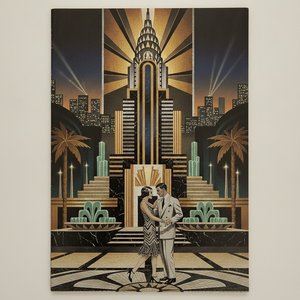
Explore the sophisticated world of Art Deco. Discover the history, geometric precision, and enduring glamour of this iconic 20th-century movement through an expert art-historical lens.

Explore the profound history of Surrealist Expressionism. Discover how artists blended dream logic with raw emotion to navigate post-war trauma through masterful, evocative imagery and psychological depth.


ابقَ على اطلاع بأحدث أخبار الفن، والعروض الحصرية، وأفكار الديكور.
أخبرنا عن مشروعك، وسيقدم لك خبراؤنا الفنيون 3 اقتراحات فنية مخصصة لك.
دعنا نختار لك ٣ خيارات مخصصة تماماً - مجاناً!


 معاينة الحجم الحقيقي
 مشاركة
 مشاركة
 التفاصيل

 تحميل الملف
 قطع مشابهة
 الأشعة السينية
 عرض شرائح
 عرض المزيد







 خيار الزجاج متاح فقط للمقاسات التي تقل عن 110 سم


