


x

طباعة جيكلي أو كانفاس بجودة المتاحف، مع سرعة في التنفيذ وخيارات متنوعة للتشطيب. ( اشترِ لوحة مرسومة يدويًا اشترِ الصورة)





























اختر من بين أحجامنا المُعدّة مسبقًا والتي تتطابق مع النسب الأصلية للعمل الفني.

يمكنك إدخال أبعادك الخاصة لتناسب إطاراً أو مساحة معينة. وإذا لم يتطابق الحجم الذي اخترته مع نسب الصورة الأصلية، فسنقوم إما بقص العمل الفني أو تمديد الصورة باستخدام حافة معكوسة أو بلون مصمت. سيتم إرسال نموذج تجريبي رقمي لاعتمادك قبل بدء الإنتاج.
يرجى ملاحظة أن المعاينة على الشاشة لا تعكس عملية القص أو التمديد الفعلية؛ حيث سيوضح النموذج التجريبي فقط التكوين النهائي بدقة.
وعلى الرغم من توفر أحجام مخصصة، إلا أننا نوصي باختيار أبعاد من القائمة المحددة مسبقاً للحفاظ على النسب الأصلية.
توصيل عالمي إلى خلال أسبوعين بدلاً من المدة القياسية البالغة 4/5 أسابيع. 19 أغسطس


Renée the Blonde
مقاس النسخة المطبوعة
In the quiet, evocative realm of Amedeo Modigliani’s 1916 masterpiece, Renée the Blonde, we encounter more than just a portrait; we enter a profound psychological landscape. This captivating work serves as an emblem of the artist's distinctive vision, where beauty is inextricably intertwined with a sense of sorrowful elegance. The subject, Renée Estevez, is captured in a moment of deep introspection. Her gaze, directed slightly off-center, invites the viewer into her private world of contemplation, fostering an aura of stillness that feels both intimate and distant. Through his masterful use of line and form, Modigliani transcends mere representation, transforming a single face into a timeless exploration of the human soul.
The composition is a masterclass in focused intensity. By adopting a close-up format, Modigliani concentrates our attention entirely on Renée’s face and upper torso, setting her against a dark, undifferentiated background. This deliberate choice serves to amplify her presence, stripping away the distractions of the external world to emphasize her internal emotional state. The subtle tilting of her head adds a rhythmic dynamism to the pose, capturing a fleeting, fragile moment of emotion that feels as though it might vanish if one blinks. For the collector or interior designer, this piece offers a powerful focal point—a window into a quiet, dignified strength that commands attention without ever needing to shout.
Modigliani’s technique in Renée the Blonde is instantly recognizable, characterized by a sophisticated blend of Italian Renaissance ideals and the raw, expressive aesthetics of African art. He eschews the meticulous, photographic detail favored by academic traditions, opting instead for elongated facial features and simplified, flowing lines that define the contours of the neck and face. This stylization creates a sense of rhythmic harmony, where the subject appears both grounded in reality and elevated to a mythic status. The texture of the work feels remarkably smooth, with luminous skin tones that seem to glow from within, contrasted against the more textured, tactile appearance of her hair.
The color palette is a soulful arrangement of earthy tones—ochre, deep browns, and warm reddish hues—accentuated by delicate pinks and stark blacks. This harmonious balance underscores the subject's melancholic beauty, creating a visual warmth that prevents the dark background from feeling cold or oppressive. The use of light is diffused and even, eschewing harsh shadows in favor of a soft, pervasive glow that contributes to the painting’s characteristic flatness and two-dimensionality. It is this very lack of traditional depth that allows the emotional weight of the colors to take center stage, making the artwork an exquisite choice for spaces that require a sense of sophisticated, understated luxury.
To understand the profound impact of Renée the Blonde, one must look to the historical currents of the École de Paris. Created during Modigliani's transformative Parisian period, the painting reflects a broader movement of experimentation and a bold rejection of academic conventions. During this era, artists were seeking new visual languages to express the complexities of modern life, moving away from realism toward a more symbolic and emotive truth. Renée’s attire—a dark gown adorned with a subtle necklace—suggests a refined social standing, yet her expression remains vulnerable and stripped of pretension.
For those seeking to bring a piece of art history into their personal or professional environments, this reproduction offers an unparalleled opportunity. It is not merely a decorative object but a conversation piece that embodies the tragic romance and artistic brilliance of one of the 20th century's most beloved figures. Whether placed in a contemporary gallery setting or a classic study, the painting’s ability to evoke quiet contemplation and emotional resonance makes it a timeless investment for any discerning eye.
في قلب باريس النابض بالحياة في أوائل القرن العشرين، سطع نجم أمديو موديجلياني، الفنان الإيطالي الذي ترك بصمة لا تُمحى على عالم الفن. لم يكن مجرد رسام ونحات، بل كان شاعرًا بالوحدة والجمال الحزين، عبّر عن مشاعره وآلامه من خلال لوحاته ورسومه التي تميزت بتعابير وجهودها الفريدة. ولد موديجلياني في ليفورنو بإيطاليا عام 1884، وشق طريقه نحو باريس، المدينة التي أصبحت ملجأً له ومصدر إلهام لا ينضب.
نشأته الأولى كانت مليئة بالتحديات والصعوبات. فقد عانى من أمراض مزمنة منذ صغره، وتدهورت الحالة المالية لعائلته، مما اضطره إلى مواجهة الفقر والحرمان. ومع ذلك، لم تدع هذه الظروف تثبط عزيمته الفنية. بل على العكس، أثارت فيه تلك المعاناة حساسية خاصة تجاه مشاعر الآخرين، انعكست في أعماله التي تميزت بالعمق النفسي والتعبير عن الحزن والوحدة.
في بداية مسيرته الفنية، تأثر موديجلياني بالعديد من الفنانين والحركات الفنية. درس فنون عصر النهضة الإيطالية، واستلهم من أعمال ليوناردو دا فينشي وميكيلانجيلو وتيتيان وكارافاجيو. كما تأثر بالفن الأفريقي والمنحوتات القديمة، مما أدى إلى تطوير أسلوبه الخاص الذي تميز بتجريد الأشكال وإطالة الوجوه والأعناق. لم يلتزم موديجلياني بأي حركة فنية محددة، بل سعى إلى خلق أسلوب فريد يعبر عن رؤيته الخاصة للعالم.
تميزت لوحاته بالبساطة والهدوء، واستخدم الألوان الزاهية لخلق جو من الحميمية والدفء. رسم العديد من البورتريهات التي تعتبر من أفضل أعماله، حيث تمكن من التقاط الجوهر الداخلي لشخصياته وإبراز تعابير وجوههم بطريقة فريدة. كما رسم العديد من اللوحات العارية التي أثارت جدلاً واسعاً في ذلك الوقت، ولكنها اليوم تعتبر من أهم أعماله وأكثرها شهرة.
لم يقتصر إبداع موديجلياني على الرسم فحسب، بل امتد ليشمل النحت. قام بنحت العديد من الرؤوس والأشكال المجردة التي تعكس أسلوبه الخاص في التعبير عن الجمال. كانت منحوتاته مستوحاة من الفن الأفريقي والمنحوتات القديمة، وتميزت بالبساطة والتجريد. على الرغم من أن منحوتاته لم تحظَ بنفس القدر من الشهرة التي حظيت بها لوحاته خلال حياته، إلا أنها تعتبر اليوم جزءاً هاماً من إرثه الفني.
كان موديجلياني فناناً متعدد المواهب، استطاع أن يجمع بين الرسم والنحت بطريقة فريدة. كان يتمتع بقدرة فنية فائقة على التقاط الجمال في أبسط صوره، والتعبير عن المشاعر والأحاسيس بعمق وصدق.
لم تخل حياة موديجلياني من الدراما والمآسي. فقد عانى من الفقر والمرض والإدمان، كما واجه صعوبات في علاقته مع حبيبته الفنانة جان هبوتيرن. كانت جان مصدر إلهام له ومصدر سعادة له، ولكن علاقتهما كانت مليئة بالصراعات والشكوك. توفيت جان بعد فترة قصيرة من ولادة ابنتهما جياننا، مما أدى إلى انتحارها. شعر موديجلياني بالحزن الشديد والفقدان العميق، وتوفي بعد ذلك بوقت قصير بسبب مرض السل.
على الرغم من أن موديجلياني لم يحظَ بالتقدير الكافي خلال حياته، إلا أن أعماله أصبحت تحظى بشهرة عالمية واسعة النطاق بعد وفاته. تعتبر لوحاته ومنحوتاته من أهم الأعمال الفنية في القرن العشرين، وقد ألهمت العديد من الفنانين حول العالم. يتميز أسلوبه بالبساطة والجمال الحزين والتعبير عن المشاعر الإنسانية بعمق وصدق. موديجلياني هو فنان لا يُنسى، سيظل إرثه يتردد صداه في عالم الفن.

1884 - 1920 , إيطاليا

اكتشف روائع هيرميتاج في سانت بطرسبرغ! استكشف قصص 25 لوحة فنية خالدة لريمبراندت، دافنشي وغيرهم. طباعة لوحات فاخرة وديكور منزلي مستوحى من الفن على Most-Famous-Paintings.com.

اكتشف 25 تحفة فنية آسرة لدانتي غابرييل روسيتي، رائد حركة ما قبل الرفائيلية. استكشف قصص لوحاته الرومانسية ورمزيته العميقة وألوانه الزيتية الخالدة. أضف لمسة فنية راقية لمنزلك مع Most-Famous-Paintings.com.
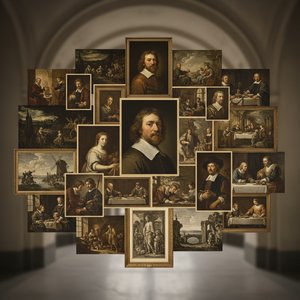
اكتشف 25 تحفة فنية لريمبراند فان راين، رائد العصر الذهبي الهولندي. استكشف قصص لوحاته الشهيرة وتقنيات الرسم المذهلة. احصل على إعادة إنتاج عالية الجودة لديكور منزلك الفاخر على Most-Famous-Paintings.com
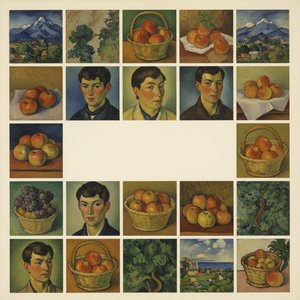
اكتشف 25 تحفة فنية لبول سيزان، رائد الانطباعية وما بعد الانطباعية. استكشف قصص لوحاته الزيتية الشهيرة وألوانه الجريئة وتقنياته الفريدة. احصل على إلهام لديكور منزلك الفاخر مع Most-Famous-Paintings.com.
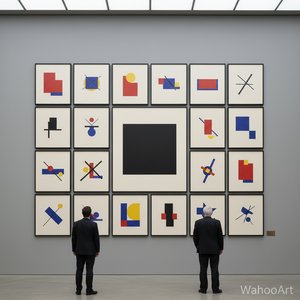
اكتشف 25 تحفة فنية لكازيمير ماليفيتش، رائد الفن التجريدي والسوبرماتية. استكشف تاريخ لوحاته الملونة الشهيرة مثل 'المربع الأسود' و'الأبيض على الأبيض'. احصل على نسخ عالية الجودة لتزيين منزلك بأسلوب فني راقٍ على Most-Famous-Paintings.com


ابقَ على اطلاع بأحدث أخبار الفن، والعروض الحصرية، وأفكار الديكور.
أخبرنا عن مشروعك، وسيقدم لك خبراؤنا الفنيون 3 اقتراحات فنية مخصصة لك.
دعنا نختار لك ٣ خيارات مخصصة تماماً - مجاناً!


 معاينة الحجم الحقيقي
 مشاركة
 مشاركة
 التفاصيل

 تحميل الملف
 قطع مشابهة
 الأشعة السينية
 عرض شرائح

 عرض المزيد







 خيار الزجاج متاح فقط للمقاسات التي تقل عن 110 سم


