


x

طباعة جيكلي أو كانفاس بجودة المتاحف، مع سرعة في التنفيذ وخيارات متنوعة للتشطيب. ( اشترِ لوحة مرسومة يدويًا اشترِ الصورة)





























اختر من بين أحجامنا المُعدّة مسبقًا والتي تتطابق مع النسب الأصلية للعمل الفني.

يمكنك إدخال أبعادك الخاصة لتناسب إطاراً أو مساحة معينة. وإذا لم يتطابق الحجم الذي اخترته مع نسب الصورة الأصلية، فسنقوم إما بقص العمل الفني أو تمديد الصورة باستخدام حافة معكوسة أو بلون مصمت. سيتم إرسال نموذج تجريبي رقمي لاعتمادك قبل بدء الإنتاج.
يرجى ملاحظة أن المعاينة على الشاشة لا تعكس عملية القص أو التمديد الفعلية؛ حيث سيوضح النموذج التجريبي فقط التكوين النهائي بدقة.
وعلى الرغم من توفر أحجام مخصصة، إلا أننا نوصي باختيار أبعاد من القائمة المحددة مسبقاً للحفاظ على النسب الأصلية.
توصيل عالمي إلى خلال أسبوعين بدلاً من المدة القياسية البالغة 4/5 أسابيع. 13 أغسطس


The Singer from Nice
مقاس النسخة المطبوعة
In the quiet, evocative realm of Amedeo Clemente Modigliani’s 1919 masterpiece, “The Singer from Nice,” the viewer is not merely observing a portrait but is being summoned into an intimate dialogue with history. This striking work serves as a profound window into the Expressionist spirit, capturing a moment of ethereal stillness that feels both fleeting and eternal. The subject, a woman of haunting beauty, gazates directly at us with luminous blue eyes—a focal point of such intensity that it seems to pierce through the decades. Her expression is a delicate equilibrium of vulnerability and unwavering resolve, set against a backdrop of muted, earthy tones that amplify her solitary, almost spectral presence. To encounter this painting is to feel the weight of an unspoken emotion, a quiet longing that resonates deeply within the modern soul.
Modigliani’s approach in this piece exemplifies the very essence of Expressionism, where the artist’s primary mission was to reveal inner psychological truths rather than replicate objective reality. Through his signature use of distortion, he elongates the facial features and the graceful line of the neck, creating a surreal, sculptural elegance. This stylistic choice is far from arbitrary; it is a symbolic language used to communicate the anxieties and the yearning for permanence that characterized the post-war era. The stretched jawline and the fluid, rhythmic contours of the face evoke the influence of African masks and ancient Cycladic sculpture, blending classical antiquity with the avant-garde energy of early 20th-century Paris.
The technical execution of “The Singer from Nice” reveals a master at the height of his expressive powers. Working with oil on canvas, Modigliani employed a sophisticated method of layering thin, translucent glazes to build a velvety surface texture. This meticulous process is what grants the woman’s eyes their otherworldly glow, making them appear as if lit from within. The palette is intentionally restrained, dominated by warm ochres, deep browns, and subtle umbers. This subdued color scheme does not merely provide a setting; it creates a heavy, introspective atmosphere that cradles the subject in a sense of dignified isolation.
For the discerning collector or interior designer, this painting offers more than just aesthetic beauty; it provides a profound emotional anchor for any space. The way the light interacts with the painted textures allows the piece to transform depending on the ambient lighting of a room, shifting from a somber, contemplative mood in dim light to a vibrant, soulful presence in brighter settings. It is a work that demands attention without being loud, making it an ideal centerpiece for a curated gallery wall or a sophisticated study where themes of reflection and history are celebrated.
To truly appreciate this portrait, one must understand the turbulent life of its creator. Amedeo Modigliani’s biography is as much a work of art as his paintings—a narrative etched in longing, illness, and the bohemian struggle of the École de Paris. His frequent battles with disease and his transient existence in the heart of France infused his work with a poignant sense of fragility. In “The Singer from Nice,” we see this sensitivity reflected in every brushstroke; there is a palpable awareness of mortality that lends the subject’s gaze its profound depth.
Owning a high-quality reproduction of such a seminal work allows one to bring this piece of art history into the contemporary home. It serves as a tribute to an era of unparalleled creative revolution and a reminder of the enduring power of the human spirit to find beauty amidst melancholy. Whether you are drawn to its stylistic innovation, its historical significance, or its sheer emotional magnetism, this portrait remains a timeless testament to the genius of Modigliani.
في قلب باريس النابض بالحياة في أوائل القرن العشرين، سطع نجم أمديو موديجلياني، الفنان الإيطالي الذي ترك بصمة لا تُمحى على عالم الفن. لم يكن مجرد رسام ونحات، بل كان شاعرًا بالوحدة والجمال الحزين، عبّر عن مشاعره وآلامه من خلال لوحاته ورسومه التي تميزت بتعابير وجهودها الفريدة. ولد موديجلياني في ليفورنو بإيطاليا عام 1884، وشق طريقه نحو باريس، المدينة التي أصبحت ملجأً له ومصدر إلهام لا ينضب.
نشأته الأولى كانت مليئة بالتحديات والصعوبات. فقد عانى من أمراض مزمنة منذ صغره، وتدهورت الحالة المالية لعائلته، مما اضطره إلى مواجهة الفقر والحرمان. ومع ذلك، لم تدع هذه الظروف تثبط عزيمته الفنية. بل على العكس، أثارت فيه تلك المعاناة حساسية خاصة تجاه مشاعر الآخرين، انعكست في أعماله التي تميزت بالعمق النفسي والتعبير عن الحزن والوحدة.
في بداية مسيرته الفنية، تأثر موديجلياني بالعديد من الفنانين والحركات الفنية. درس فنون عصر النهضة الإيطالية، واستلهم من أعمال ليوناردو دا فينشي وميكيلانجيلو وتيتيان وكارافاجيو. كما تأثر بالفن الأفريقي والمنحوتات القديمة، مما أدى إلى تطوير أسلوبه الخاص الذي تميز بتجريد الأشكال وإطالة الوجوه والأعناق. لم يلتزم موديجلياني بأي حركة فنية محددة، بل سعى إلى خلق أسلوب فريد يعبر عن رؤيته الخاصة للعالم.
تميزت لوحاته بالبساطة والهدوء، واستخدم الألوان الزاهية لخلق جو من الحميمية والدفء. رسم العديد من البورتريهات التي تعتبر من أفضل أعماله، حيث تمكن من التقاط الجوهر الداخلي لشخصياته وإبراز تعابير وجوههم بطريقة فريدة. كما رسم العديد من اللوحات العارية التي أثارت جدلاً واسعاً في ذلك الوقت، ولكنها اليوم تعتبر من أهم أعماله وأكثرها شهرة.
لم يقتصر إبداع موديجلياني على الرسم فحسب، بل امتد ليشمل النحت. قام بنحت العديد من الرؤوس والأشكال المجردة التي تعكس أسلوبه الخاص في التعبير عن الجمال. كانت منحوتاته مستوحاة من الفن الأفريقي والمنحوتات القديمة، وتميزت بالبساطة والتجريد. على الرغم من أن منحوتاته لم تحظَ بنفس القدر من الشهرة التي حظيت بها لوحاته خلال حياته، إلا أنها تعتبر اليوم جزءاً هاماً من إرثه الفني.
كان موديجلياني فناناً متعدد المواهب، استطاع أن يجمع بين الرسم والنحت بطريقة فريدة. كان يتمتع بقدرة فنية فائقة على التقاط الجمال في أبسط صوره، والتعبير عن المشاعر والأحاسيس بعمق وصدق.
لم تخل حياة موديجلياني من الدراما والمآسي. فقد عانى من الفقر والمرض والإدمان، كما واجه صعوبات في علاقته مع حبيبته الفنانة جان هبوتيرن. كانت جان مصدر إلهام له ومصدر سعادة له، ولكن علاقتهما كانت مليئة بالصراعات والشكوك. توفيت جان بعد فترة قصيرة من ولادة ابنتهما جياننا، مما أدى إلى انتحارها. شعر موديجلياني بالحزن الشديد والفقدان العميق، وتوفي بعد ذلك بوقت قصير بسبب مرض السل.
على الرغم من أن موديجلياني لم يحظَ بالتقدير الكافي خلال حياته، إلا أن أعماله أصبحت تحظى بشهرة عالمية واسعة النطاق بعد وفاته. تعتبر لوحاته ومنحوتاته من أهم الأعمال الفنية في القرن العشرين، وقد ألهمت العديد من الفنانين حول العالم. يتميز أسلوبه بالبساطة والجمال الحزين والتعبير عن المشاعر الإنسانية بعمق وصدق. موديجلياني هو فنان لا يُنسى، سيظل إرثه يتردد صداه في عالم الفن.

1884 - 1920 , إيطاليا

Explore the opulent world of Erté and Art Deco. Discover how Romain de Tirtoff defined an era through geometric elegance, fashion illustration, and theatrical design. A deep dive into the history of 20th-century glamour for art lovers and collectors.
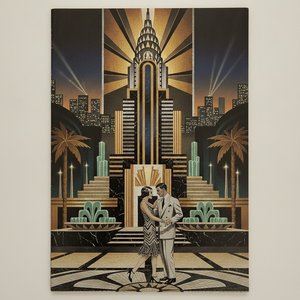
Explore the sophisticated world of Art Deco. Discover the history, geometric precision, and enduring glamour of this iconic 20th-century movement through an expert art-historical lens.

Explore the dramatic world of Italian Baroque art. Discover how masters like Caravaggio used chiaroscuro and tenebrism to revolutionize painting through light, shadow, and profound realism. A definitive guide for history lovers and art collectors.


ابقَ على اطلاع بأحدث أخبار الفن، والعروض الحصرية، وأفكار الديكور.
أخبرنا عن مشروعك، وسيقدم لك خبراؤنا الفنيون 3 اقتراحات فنية مخصصة لك.
دعنا نختار لك ٣ خيارات مخصصة تماماً - مجاناً!


 معاينة الحجم الحقيقي
 مشاركة
 مشاركة
 التفاصيل

 تحميل الملف
 قطع مشابهة
 الأشعة السينية
 عرض شرائح

 عرض المزيد







 خيار الزجاج متاح فقط للمقاسات التي تقل عن 110 سم


