


x


 Oil On CanvasWallArt
 1670Late Medieval
 187.0 x 134.0 cm
 الكولليكشن والاس
طباعة جيكلي أو كانفاس بجودة المتاحف، مع سرعة في التنفيذ وخيارات متنوعة للتشطيب. ( التحويل إلى لوحة مرسومة يدوياً التبديل إلى الصورة)





























اختر من بين أحجامنا المُعدّة مسبقًا والتي تتطابق مع النسب الأصلية للعمل الفني.

يمكنك إدخال أبعادك الخاصة لتناسب إطاراً أو مساحة معينة. وإذا لم يتطابق الحجم الذي اخترته مع نسب الصورة الأصلية، فسنقوم إما بقص العمل الفني أو تمديد الصورة باستخدام حافة معكوسة أو بلون مصمت. سيتم إرسال نموذج تجريبي رقمي لاعتمادك قبل بدء الإنتاج.
يرجى ملاحظة أن المعاينة على الشاشة لا تعكس عملية القص أو التمديد الفعلية؛ حيث سيوضح النموذج التجريبي فقط التكوين النهائي بدقة.
وعلى الرغم من توفر أحجام مخصصة، إلا أننا نوصي باختيار أبعاد من القائمة المحددة مسبقاً للحفاظ على النسب الأصلية.
توصيل عالمي إلى خلال أسبوعين بدلاً من المدة القياسية البالغة 4/5 أسابيع. 30 يوليو


The Annunciation
مقاس النسخة المطبوعة
Bartolomé Esteban Murillo's “The Annunciation,” completed in 1670 and currently residing within the Wallace Collection in London, is more than simply a depiction of a pivotal biblical moment; it’s a profound meditation on grace, humility, and the transformative power of faith. Murillo, born into a family marked by early tragedy in Seville, Spain, possessed an extraordinary ability to imbue his subjects with a palpable sense of humanity—a characteristic that distinguishes his work from the more austere styles prevalent at the time. This particular painting captures a moment of exquisite serenity and spiritual revelation, rendered with the luminous quality for which Murillo would become renowned.
The composition immediately draws the eye to the kneeling young woman, dressed in a vibrant red robe—a color traditionally associated with Mary’s purity and royalty. Her posture is one of profound reverence, her hands clasped together as if in prayer or deep contemplation. Above her, the angel Gabriel, rendered with delicate wings and an expression of gentle authority, extends his hand to present a lily – a potent symbol of innocence, chastity, and divine grace. The lighting within the scene is masterful; Murillo employs chiaroscuro—the dramatic contrast between light and shadow—to sculpt the figures and create a sense of depth, drawing the viewer into this intimate dialogue between heaven and earth.
“The Annunciation” firmly establishes itself within the Baroque artistic tradition. While influenced by earlier masters like Zurbarán and Ribera—particularly in its realistic portrayal of figures and use of tenebrism—Murillo developed a distinctly personal style, characterized by a softer palette, an emphasis on idealized beauty, and a remarkable ability to capture fleeting expressions of emotion. The painting’s background, subtly receding into a hazy blue, contributes to the overall sense of ethereal serenity, while the three cherubs floating above, holding musical instruments, evoke the celestial harmony of the event being depicted. These figures aren't merely decorative; they represent the divine orchestration underpinning the miraculous encounter.
Murillo’s background in Seville profoundly shaped his artistic vision. The city’s rich cultural heritage—its vibrant religious traditions and its connection to the New World trade routes—provided a fertile ground for his creativity. His work often reflects this Andalusian sensibility, imbued with warmth, color, and a deep appreciation for everyday life. This is evident in the careful attention to detail – from the folds of the woman’s robe to the delicate petals of the lily – demonstrating Murillo's meticulous approach to capturing both spiritual and material reality.
Beyond its formal beauty, “The Annunciation” is rich in symbolic meaning. The lily, as mentioned, represents purity and divine grace, while the open book suggests Mary’s receptive state—her willingness to accept God's will. The angel’s gesture signifies not just the announcement of a miraculous event but also an invitation to faith and devotion. Murillo masterfully conveys the emotional impact of this encounter through subtle gestures and expressions: the woman’s serene acceptance, the angel’s gentle authority, and the overall atmosphere of quiet reverence. The painting speaks to the profound mystery of human existence—the intersection of the divine and the earthly—and invites viewers to contemplate their own relationship with faith and grace.
Reproductions of “The Annunciation” by Most-Famous-Paintings offer a remarkable opportunity to experience this masterpiece in exquisite detail, capturing Murillo’s luminous style and profound emotional depth. Whether adorning a grand salon or a more intimate space, this iconic painting continues to inspire awe and contemplation, reminding us of the enduring power of faith and beauty.


1618 - 1682 , إسبانيا

اكتشف أروع 25 تحفة فنية في متحف المتروبوليتان، نيويورك! قصص ليوناردو دا فينشي وفان جوخ وبيكاسو وأكثر. لوحات كلاسيكية ومعاصرة لإلهام ديكور منزلك. تسوق إعادة إنتاج اللوحات عالية الجودة على Most-Famous-Paintings.com.
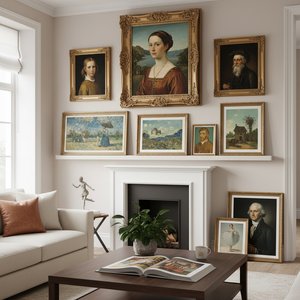
اكتشف أروع 25 لوحة فنية في معرض ناسيونال غاليري بواشنطن! رحلة عبر روائع سيزان، ماتيس، وبيكاسو. قصص ملهمة وتقنيات فنية فريدة. احصل على نسخ عالية الجودة لديكور منزلك الفاخر على Most-Famous-Paintings.com
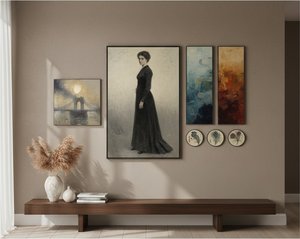
اكتشف 25 تحفة فنية لجيمس أبتون ماكنيل ويستلر، رائد حركة التجميل. نوكتورن، بورتريهات أيقونية وأكثر! قصص ملهمة وتقنيات فنية رائعة لتزيين منزلك بأناقة. استكشف المجموعة الكاملة على Most-Famous-Paintings.com
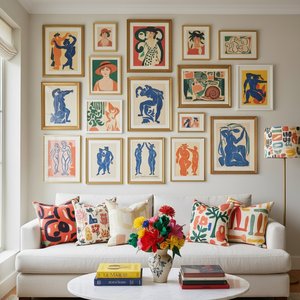
اكتشف 25 تحفة فنية لهنري ماتيس، رائد التعبيرية وFauvism. استكشف قصص لوحاته المذهلة وألوانه الجريئة. احصل على مطبوعات عالية الجودة لديكور منزلي فاخر. اكتشف جميع الروائع على Most-Famous-Paintings.com
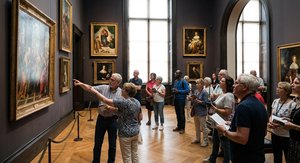
اكتشف أروع 25 لوحة فنية في Alte Pinakothek ميونيخ! رحلة آسرة عبر عصر النهضة والباروك مع روائع ليوناردو ورافائيل وروبنز. استلهم لتصميم منزلك واقتنِ إعادة إنتاج عالية الجودة على Most-Famous-Paintings.com.


ابقَ على اطلاع بأحدث أخبار الفن، والعروض الحصرية، وأفكار الديكور.
أخبرنا عن مشروعك، وسيقدم لك خبراؤنا الفنيون 3 اقتراحات فنية مخصصة لك.
دعنا نختار لك ٣ خيارات مخصصة تماماً - مجاناً!


 معاينة الحجم الحقيقي
 مشاركة
 مشاركة
 التفاصيل

 تحميل الملف
 قطع مشابهة
 الأشعة السينية
 عرض شرائح
 عرض المزيد







 خيار الزجاج متاح فقط للمقاسات التي تقل عن 110 سم


