


x
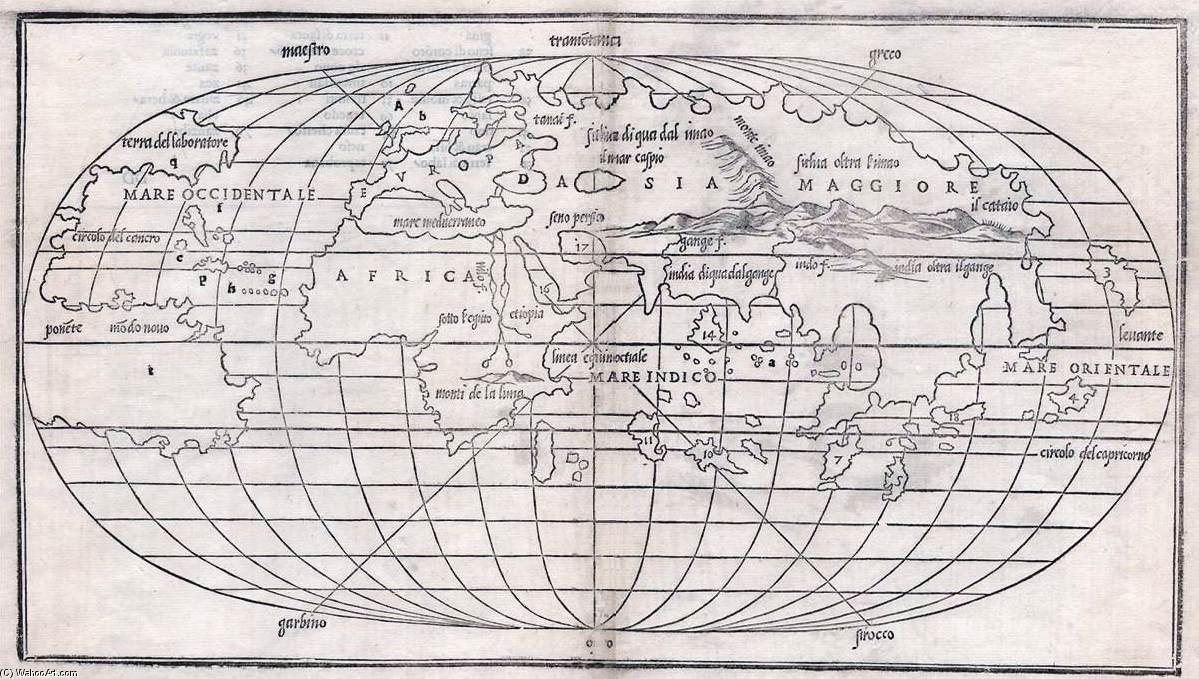
 1528
1528 325.0 x 165.0 cm
 المكتبة البريطانية
لوحة زيتية مرسومة يدوياً على الكانفاس بالمقاس والإطار الذي تفضله، تُنفذ حسب الطلب على أيدي فنانينا. ( اشترِ نسخة مطبوعة اشترِ الصورة)
اختر من بين أحجامنا المُعدّة مسبقًا والتي تتطابق مع النسب الأصلية للعمل الفني.

يمكنك إدخال أبعادك الخاصة لتناسب إطارًا معينًا أو مساحة محددة. وإذا لم يتطابق الحجم الذي اخترته مع نسب الصورة الأصلية، فسنقوم إما بقص العمل الفني أو توسيع اللوحة بإضافة عناصر مرسومة يدويًا. سيتم إرسال نموذج رقمي إليك للموافقة عليه قبل بدء الإنتاج.
يرجى ملاحظة أن المعاينة على الشاشة لا تعكس عملية القص أو التوسيع الفعلية؛ حيث إن النموذج الرقمي وحده هو الذي سيوضح التكوين النهائي بدقة.
وعلى الرغم من توفر أحجام مخصصة، إلا أننا نوصي باختيار أبعاد من القائمة المحددة مسبقًا للحفاظ على النسب الأصلية للعمل الفني.
توصيل عالمي إلى خلال 3 إلى 4 أسابيع بدلاً من المدة المعتادة البالغة 5 أسابيع. (17 أغسطس). جودة لا تهاون فيها.


World Map
مقاس النسخة المطبوعة

In the vibrant, intellectual heart of Renaissance Venice, where the scent of salt air mingled with the ink of burgeoning printing presses, lived a man whose vision extended far beyond the horizon of the Adriatic. Benedetto Bordone, a figure woven into the very fabric of Venetian humanist culture, was much more than a mere chronicler of geography; he was an artist of the unknown. Born in Padua around 1460, during a period when the Republic of Venice stood as the gateway to the world, Bordone’s life was defined by an insatiable curiosity for the expanding boundaries of the known Earth. His existence sat at the intersection of art and science, where the delicate precision of a miniaturist met the bold, sweeping ambitions of a cartographer.
To understand Bordone is to understand the spirit of the Age of Discovery. As the great maritime powers pushed into transatlantic waters, the European consciousness was being reshaped by new lands, strange cultures, and unprecedented mysteries. Bordone did not merely observe this shift; he sought to capture it through a unique synthesis of manuscript illumination and cartographic innovation. His early years in Padua, steeped in the rigorous humanist scholarship of the era, provided him with the intellectual tools to translate raw maritime data into beautiful, narrative-driven art. Through his marriage to Lucia Spinola, he became part of an elite social circle that fueled the patronage of the arts, allowing him the stability to pursue works that were as much about storytelling as they were about navigation.
The crowning achievement of Bordone’s career arrived in 1528 with the publication of his monumental work, the Isolario, or "The Book of Islands." This was not a standard atlas of the time; it was a breathtaking tapestry of human knowledge. In this ambitious volume, Bordone sought to discuss all the islands of the world, weaving together their ancient and modern names with their histories, tales, and ways of living. He acted as an editor of reality, gathering fragments of folklore, myths, and ethnographic observations to create a guide that was as much for the dreamer as it was for the sailor. His work breathed life into the cold geometry of maps, infusing them with the warmth of human culture and the magic of legend.
Technically, Bordone’s contributions were nothing short of revolutionary. He is credited with pioneering a unique oval depiction of the world, an early precursor to what would later be formalized as the Mollweide projection. By presenting the Earth in an elliptical form, he moved away from the rigid, often distorted Ptolemaic views of the past, attempting to capture a more nuanced sense of the globe's curvature. This innovation allowed him to integrate the recent transatlantic discoveries into a cohesive visual narrative, making the Isolario a vital instrument for understanding the changing shape of the world. His ability to blend the precise lines of a mapmaker with the delicate, decorative flourishes of a miniaturist created a new genre of cartographic art that captivated the Renaissance mind.
The historical significance of Benedetto Bordone lies in his role as a bridge between the medieval tradition of illustrated manuscripts and the modern era of scientific geography. He stood at the threshold of a new world, using his brush and pen to document the transition from mythic landscapes to documented territories. His work served as an essential medium for the dissemination of knowledge, fostering a burgeoning interest in comparative geography and the study of indigenous peoples across the seas.
Though the specific details of his later years remain shrouded in the mists of history, his impact on the visual language of exploration is undeniable. Bordone’s legacy is found whenever we see the beauty of the world reflected in the precision of science. He taught us that to map a place is not merely to mark its coordinates, but to capture its soul—its myths, its climates, and its people. Through his Isolario, the islands of the world were no longer just distant specks on a sea, but vibrant characters in the grand, unfolding story of humanity.

1460 - 1531 , Italy


ابقَ على اطلاع بأحدث أخبار الفن، والعروض الحصرية، وأفكار الديكور.
أخبرنا عن مشروعك، وسيقدم لك خبراؤنا الفنيون 3 اقتراحات فنية مخصصة لك.
دعنا نختار لك ٣ خيارات مخصصة تماماً - مجاناً!


 معاينة الحجم الحقيقي
 مشاركة
 مشاركة
 التفاصيل

 تحميل الملف
 قطع مشابهة
 الأشعة السينية
 عرض شرائح
 عرض المزيد




































 خيار الزجاج متاح فقط للمقاسات التي تقل عن 110 سم


