بِع أعمالك الفنية
قائمة الأمنيات عربة التسوق Cart
x
معاينة الحجم الحقيقيمعاينة الحجم الحقيقي معاينة بالواقع المعززمعاينة بالواقع المعزز اشترِ لوحة مرسومة يدويًا اشترِ لوحة مرسومة يدويًااشترِ الصورة اشترِ الصورة مشاركةمشاركة
التفاصيلالتفاصيل أضف إلى المفضلة أضف إلى المفضلة تحميل الملفتحميل الملف قطع مشابهةقطع مشابهة الأشعة السينيةالأشعة السينية عرض شرائحعرض شرائح

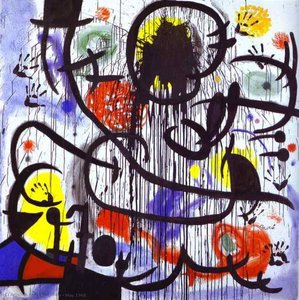
Number 3

  • تاريخ الإنشاء1948
  • الأبعاد101.0 x 127.0 cm

A master of New York School abstract expressionism, Bradley Walker Tomlin brought a unique inner logic to works like Tension by Moonlight, beckoning you to explore the delicate balance of his classical forms.

طباعة جيلي / مطبوعات فنية

طباعة جيكلي أو كانفاس بجودة المتاحف، مع سرعة في التنفيذ وخيارات متنوعة للتشطيب. (اشترِ لوحة مرسومة يدويًا اشترِ لوحة مرسومة يدويًااشترِ الصورة اشترِ الصورة)

Standard
custom
CM
INCH

اختر من بين أحجامنا المُعدّة مسبقًا والتي تتطابق مع النسب الأصلية للعمل الفني.

العرض
الارتفاع

يمكنك إدخال أبعادك الخاصة لتناسب إطاراً أو مساحة معينة. وإذا لم يتطابق الحجم الذي اخترته مع نسب الصورة الأصلية، فسنقوم إما بقص العمل الفني أو تمديد الصورة باستخدام حافة معكوسة أو بلون مصمت. سيتم إرسال نموذج تجريبي رقمي لاعتمادك قبل بدء الإنتاج.
يرجى ملاحظة أن المعاينة على الشاشة لا تعكس عملية القص أو التمديد الفعلية؛ حيث سيوضح النموذج التجريبي فقط التكوين النهائي بدقة.
وعلى الرغم من توفر أحجام مخصصة، إلا أننا نوصي باختيار أبعاد من القائمة المحددة مسبقاً للحفاظ على النسب الأصلية.

توصيل عالمي إلى خلال أسبوعين بدلاً من المدة القياسية البالغة 4/5 أسابيع. 15 أغسطس

why_choose_icon
شحن سريع ومجاني لجميع أنحاء العالم
why_choose_icon
قماش كتان عالي الجودة
why_choose_icon
تأمين شحن شامل
why_choose_icon
ضمان استرداد الرسوم الجمركية
why_choose_icon
ضمان مطابقة الألوان الحقيقية
why_choose_icon
سياسة الإرجاع خلال 60 يومًا (في حالات العيوب فقط)
why_choose_icon
ضمان استرداد نقدي بنسبة 100%
why_choose_icon
خصم عند طلب عدة قطع

إجمالي السعر

$ 68

reproduction

Number 3

طباعة جيلي / مطبوعات فنية

مقاس النسخة المطبوعة

-

السعر الإجمالي النهائي

$ 68


السيرة الذاتية للفنان

The Architect of Inner Logic

Bradley Walker Tomlin, often affectionately known as “Tommy,” occupied a singular and profoundly disciplined space within the vibrant, often chaotic constellation of the New York School. While many of his contemporaries in the Abstract Expressionist movement sought truth through the raw spontaneity of chance and the unbridled gesture, Tomlin pursued a different, more cerebral path. His work was defined by an unwavering commitment to what he termed inner logic—a profound belief that form itself could articulate complex emotional landscapes and philosophical truths through a sense of structural perfection. Born in Syracuse, New York, in 1899, his early years were marked by a precocious dedication to the classical principles of art, a foundation that would later allow him to navigate the avant-garde waters of mid-century modernism without losing his sense of compositional equilibrium.

A Journey Through Form and Influence

The evolution of Tomlin’s aesthetic was deeply shaped by his exposure to the broader European tradition. His travels through England, Italy, and Switzerland, culminating in a transformative period in Paris, provided him with a rich tapestry of cultural influences that bridged the gap between classical training and modern experimentation. In the early stages of his career, Tomlin was noted for his lyrical Cubist still lifes, works that possessed a rhythmic grace and a structured clarity. However, as the mid-1940s approached, a profound shift occurred. Influenced by the semi-automatic methods of Adolph Gottlieb, Tomlin began to explore a more fluid, calligraphic language. This period saw the emergence of masterpieces such as Tensions by Moonlight (1948), where the delicate interplay of line and space reflected an interest in Japanese calligraphy and a newfound, albeit carefully managed, sense of freedom. To understand the breadth of his stylistic development, one must consider the core elements that defined his practice:
  • Structural Integrity: A persistent striving toward a classical sense of perfection and harmony.
  • Calligraphic Fluidity: The use of graceful, sweeping lines to create a floating network of shapes.
  • Controlled Spontaneity: A rejection of pure randomness in favor of a premeditated, logical arrangement.

The Harmony of Controlled Spontaneity

In the final years of his life, Tomlin achieved a masterful synthesis of opposing forces: the tension between improvisational liberty and premeditated control. He grew wary of pure randomness, seeking instead to imbue his canvases with a distinctive, elegiac melancholy. His later works, such as Number 9: In Praise of Gertrude Stein (1950), demonstrate a sophisticated use of calligraphic and typographic shapes that float within a controlled network across the canvas surface. This meticulous approach created a sense of "unalterable rightness," a feeling of miraculous completion that remains his greatest legacy. Through his ability to balance the weight of tradition with the energy of abstraction, Tomlin left behind a body of work that stands as a testament to the power of harmony, proving that even within the most abstract realms, there exists a profound and enduring logic.
Bradley Walker Tomlin

Bradley Walker Tomlin

1899 - 1953 , United States of America

حقائق سريعة

  • Artistic Movement Or Style: Abstract Expressionism
  • Artists Who Influenced This Artist: ['Adolph Gottlieb']
  • Date Of Birth: August 19, 1899
  • Date Of Death: May 11, 1953
  • Full Name: Bradley Walker Tomlin
  • Nationality: American
  • Notable Artworks:
    • Number 20
    • Number 3
    • Tension by Moonlight
    • Number 9: In Praise of Gertrude Stein
  • Place Of Birth: Syracuse, United States