x


 Preview
 اطلب نسخة مرسومة يدوياً شراء الصورة بدقة عالية
 مشاركة
 التفاصيل
 أضف إلى المفضلة
 تحميل الملف
 قطع مشابهة
 الأشعة السينية
 عرض شرائح
طباعة جيكلي أو كانفاس بجودة المتاحف، مع سرعة في التنفيذ وخيارات متنوعة للتشطيب.





























اختر من بين أحجامنا المُعدّة مسبقًا والتي تتطابق مع النسب الأصلية للعمل الفني.

يمكنك إدخال أبعادك الخاصة لتناسب إطاراً أو مساحة معينة. وإذا لم يتطابق الحجم الذي اخترته مع نسب الصورة الأصلية، فسنقوم إما بقص العمل الفني أو تمديد الصورة باستخدام حافة معكوسة أو بلون مصمت. سيتم إرسال نموذج تجريبي رقمي لاعتمادك قبل بدء الإنتاج.
يرجى ملاحظة أن المعاينة على الشاشة لا تعكس عملية القص أو التمديد الفعلية؛ حيث سيوضح النموذج التجريبي فقط التكوين النهائي بدقة.
وعلى الرغم من توفر أحجام مخصصة، إلا أننا نوصي باختيار أبعاد من القائمة المحددة مسبقاً للحفاظ على النسب الأصلية.
توصيل عالمي إلى خلال أسبوعين بدلاً من المدة القياسية البالغة 4/5 أسابيع. 27 يوليو


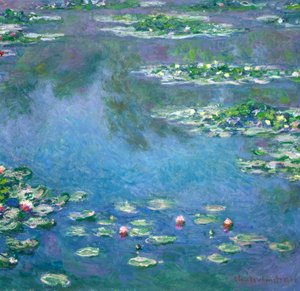
untitled (4146)
مقاس النسخة المطبوعة
Claude Monet’s “Untitled (4146),” a captivating depiction of Venice at twilight, isn’t merely a landscape painting; it’s an immersion into the very soul of Impressionism. Painted around 1870-72, during a pivotal period in Monet's artistic development, this work embodies his revolutionary approach to capturing fleeting moments and subjective experiences of light and color. It represents a departure from traditional academic styles, firmly establishing Monet as a pioneer of modern art. The scene unfolds with an almost palpable serenity – a calm lagoon reflecting the fiery hues of a setting sun, punctuated by the gentle movement of boats and the subtle presence of human life.
Monet’s technique here is exquisitely delicate. He employs loose, broken brushstrokes—a hallmark of Impressionism—to render the shimmering surface of the water and the atmospheric haze of the twilight sky. Notice how he doesn't attempt to precisely replicate every detail; instead, he focuses on conveying the *impression* of Venice – its light, its color, its mood. The lighthouse, a towering sentinel against the horizon, isn’t rendered with sharp lines but rather as a luminous form, its reflection dissolving into the water below. This deliberate blurring and layering of colors creates an extraordinary sense of depth and atmosphere, drawing the viewer into the scene.
Monet’s dedication to “en plein air” painting – working directly from nature outdoors – was central to his artistic vision. Influenced profoundly by Eugène Boudin, who encouraged him to observe and paint landscapes directly from life, Monet sought to capture the ephemeral qualities of light and atmosphere with unprecedented accuracy. This commitment is vividly evident in "Untitled (4146)." The painting wasn’t created in a studio but rather on location, allowing Monet to respond instinctively to the changing conditions of the Venetian sunset. This method necessitated quick execution and a focus on immediate observation – skills he honed through countless hours spent outdoors.
The choice of Venice itself is significant. During this period, Monet was deeply fascinated by the city’s unique light and atmosphere, which he considered particularly conducive to Impressionistic painting. He frequently visited Venice, drawn to its intricate waterways, vibrant colors, and the way sunlight interacted with the architecture and water. This trip marked a turning point in his artistic journey, solidifying his commitment to capturing fleeting moments of beauty and transforming them into enduring works of art.
Beyond its technical brilliance, “Untitled (4146)” resonates with a profound sense of tranquility and contemplation. The solitary figure near the center of the painting – a detail often overlooked – adds a layer of human presence to the scene, suggesting a moment of quiet reflection amidst the beauty of nature. The boats scattered across the water evoke a sense of movement and activity, while the lighthouse symbolizes guidance and stability against the backdrop of the fading light. The overall effect is one of peacefulness and nostalgia, capturing the bittersweet beauty of a fleeting moment in time.
Monet’s masterful use of color—the warm oranges and reds of the setting sun blending seamlessly with the cool blues and greens of the water—creates an emotional intensity that transcends mere representation. The painting isn't simply *showing* us Venice; it’s *evoking* a feeling – a sense of wonder, serenity, and perhaps even a touch of melancholy. It is a testament to Monet’s ability to transform light and color into powerful expressions of human emotion.
Most-Famous-Paintings offers meticulously crafted hand-painted reproductions of “Untitled (4146),” allowing you to experience the beauty and artistry of this iconic Impressionist masterpiece in your own home. Our skilled artists replicate Monet’s delicate brushwork, vibrant colors, and atmospheric depth with exceptional precision, ensuring that your reproduction captures the essence of the original painting. Available in a range of sizes and framing options, our reproductions are perfect for art collectors, interior designers, or anyone seeking to bring a touch of Venetian elegance into their space. Explore our selection today and own a piece of art history.

كلود مونيه، اسم يتردد صداه في عالم الفن، لم يكن مجرد رسام للمناظر الطبيعية؛ بل كان مؤرخًا لللحظات العابرة، وشاعرًا للضوء واللون. وُلد في باريس في الرابع عشر من نوفمبر عام 1840، وتغير مسار حياته المبكرة عندما انتقلت عائلته إلى لو هافر، نورماندي، عندما كان في الخامسة من عمره. على الرغم من أنه كان مقدرًا له أن يسلك طريقًا تجاريًا على يد والده، سرعان ما ظهر موهبته الفنية الفطرية، وتجسدت أولاً في رسومات كاريكاتورية بالفحم بيعت محليًا – شهادة على كلٍ من مهارته وروح المبادرة لديه. ومع ذلك، فإن لقاءه مع يوجين بودان أثبت أنه نقطة تحول حقيقية. لم يعلّم بودان مونيه *كيف* يرسم فحسب، بل غرسه أيضًا بالفكرة الثورية المتمثلة في الرسم "في الهواء الطلق" – مباشرة من الطبيعة – وهي ممارسة ستحدد رحلته الفنية بأكملها.
بدأ تدريبه الرسمي في باريس، لفترة وجيزة في الأكاديمية السويسرية ثم تحت إشراف شارل جليير. هنا، كوّن صداقات دائمة مع فنانين آخرين مثل أوغست رينوار، رابطة بنيت على خيبة الأمل الفنية المشتركة والرغبة في التحرر من قيود الرسم الأكاديمي التقليدي. أظهرت أعماله المبكرة، على الرغم من إظهارها للكفاءة التقنية، صوتًا مميزًا كان سيحدد أسلوبه قريبًا. تلا ذلك فترة مضطربة – أجبرته الحرب الفرنسية البروسية على طلب المأوى في لندن، حيث انغمس في عمل أساتذة المناظر الطبيعية الإنجليزية مثل ويليام ترنر، مستوعبًا تأثيراته الجوية واستخدامه المبتكر للألوان.
بعد عودته إلى فرنسا، أصبح مونيه شخصية مركزية في تمرد فني ناشئ. غير راضٍ عن المعايير المحافظة للصالون، انضم إلى قوى مع فنانين ذوي تفكير مماثل لتنظيم معارض مستقلة. أثبتت المعرض عام 1874 نقطة تحول حاسمة، ليس فقط لمونتيه ولكن للعالم الفني بأكمله. هنا عُرضت لوحته "انطباع، شروق الشمس" (Impression, soleil levant)، وهو تصوير ضبابي لميناء لو هافر عند الفجر، ومنه أتى مصطلح "الانطباعية" الساخر. ومع ذلك، التصق الاسم، وتطور إلى علامة شرف للحركة التي سعت إلى التقاط *انطباع* المشهد الذاتي بدلاً من تمثيله الدقيق.
تفتح أسلوبه المميز خلال هذه الفترة: ضربات فرشاة فضفاضة ومرئية، وألوان نابضة بالحياة وغالبًا ما تكون غير مخلوطة تُطبق جنبًا إلى جنب (تقنية تعرف باسم "اللون المكسور")، وتركيز لا يتزعزع على التقاط الصفات العابرة للضوء. سعى بلا هوادة إلى ممارسة الرسم "في الهواء الطلق"، يعمل بسرعة لتسجيل إدراكه الفوري قبل أن تغير الظروف المتغيرة المشهد. لم يكن هذا التفاني مجرد تصوير ما *يراه*، بل كيف *يشعر* استجابة لذلك – انحراف جذري عن التقاليد الفنية.
في عام 1883، استقر مونيه في فيرني، شمال غرب باريس، وأنشأ منزلًا وحديقة أصبحا كلاهما ملاذه الأعظم ومصدر إلهامه. حول العقار بعناية إلى جنة معقدة، كاملة مع الزهور الغريبة، والأشجار الباكية، والأكثر شهرة، بركة زنابق الماء التي تمتد عبر جسر ياباني. لم يكن هذا مجرد حديقة مزخرفة؛ بل كان مختبرًا حيًا حيث يمكن لمونتيه دراسة تأثيرات الضوء على الماء وأوراق الشجر والانعكاسات في ظل ظروف خاضعة للرقابة.
كرس العقد الأخير من حياته تقريبًا لطلاء بركة زنابق الماء في فيرني. شرع في سلسلة الأعمال المونومنتالية "زنابق الماء" (Nymphéas)، حيث ابتكر لوحات ضخمة تصوّر سطح البركة كسجادة متغيرة باستمرار من الألوان والضوء. لم تكن هذه مجرد لوحات للزهور؛ بل كانت تجارب غامرة، صُممت لتغمر المشاهد في عالم من الجمال الهادئ والسكون التأملي. حجم هذه الأعمال مذهل، ويدفع حدود الرسم التقليدي ويتوقع التعبير المجرد.
إن تأثير كلود مونيه على تاريخ الفن لا يقدر بثمن. لم يكن مجرد مؤسس الانطباعية؛ بل لقد غير بشكل أساسي الطريقة التي يدرك بها الفنانون ويمثلون العالم من حولهم. إن تركيزه على التجربة الذاتية، واحتضانه للرسم "في الهواء الطلق"، وتقنياته المبتكرة مهدت الطريق لاستكشاف الفن الحديث للتجريد والأشكال غير التمثيلية.
حقق مونيه نجاحًا تجاريًا كبيرًا خلال حياته – وهو أمر نادر بالنسبة للفنانين الطليعيين في عصره. لا يزال عمله يلهم الرهبة ويأسر الجماهير حول العالم، مما يعزز مكانته كواحدة من أهم الشخصيات في الفن الغربي. توفي في الخامس من ديسمبر عام 1926، تاركًا وراءه إرثًا يتردد صداه عبر الأجيال من الفنانين وعشاق الفن على حد سواء. تحتفظ مؤسسات مرموقة مثل متحف أورسيه ومتحف مارموتان مونيه في باريس بمجموعات كبيرة من تحف أعماله، مما يضمن استمرار رؤيته في إضاءة العالم.
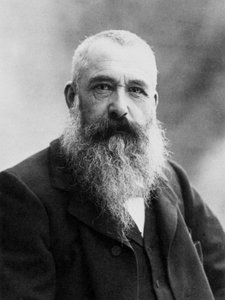
1840 - 1926 , فرنسا

Journey through Impressionism's heart with 10 iconic paintings by Monet, Renoir & Degas. Explore light, color & the stories behind these masterpieces. Find museum-quality art reproductions and elevate your home decor on Most-Famous-Paintings.com.

Explore the rich symbolism of water in art history – from ancient myths to Impressionism's fleeting beauty. Discover masterpieces & find your perfect serene artwork with Most-Famous-Paintings.com.

استكشف عالم الانطباعية وما بعد الانطباعية مع Most-Famous-Paintings. دليلك الشامل لجمع روائع سيزان، فان غوخ وغيرهم. نصائح استثمارية وتقييم فني احترافي.

Explore the captivating history of sunset motifs in Western art! Discover iconic paintings by Monet, Van Gogh & Kuindzhi. Learn about Romanticism, Impressionism & collecting these timeless masterpieces. Expert insights at Most-Famous-Paintings.

Sail away with 10 iconic boat paintings! Explore masterpieces by Monet, Van Gogh & Turner. Discover the stories behind these timeless seascapes and find museum-quality art reproductions for your home decor at Most-Famous-Paintings.com.


ابقَ على اطلاع بأحدث أخبار الفن، والعروض الحصرية، وأفكار الديكور.
أخبرنا عن مشروعك، وسيقدم لك خبراؤنا الفنيون 3 اقتراحات فنية مخصصة لك.
دعنا نختار لك ٣ خيارات مخصصة تماماً - مجاناً!


 مشاركة


 عرض المزيد







 خيار الزجاج متاح فقط للمقاسات التي تقل عن 110 سم