


x

 Renaissance
 1450
1450 25.0 x 16.0 cm
لوحة زيتية مرسومة يدوياً على الكانفاس بالمقاس والإطار الذي تفضله، تُنفذ حسب الطلب على أيدي فنانينا. ( اشترِ نسخة مطبوعة اشترِ الصورة)





























اختر من بين أحجامنا المُعدّة مسبقًا والتي تتطابق مع النسب الأصلية للعمل الفني.

يمكنك إدخال أبعادك الخاصة لتناسب إطارًا معينًا أو مساحة محددة. وإذا لم يتطابق الحجم الذي اخترته مع نسب الصورة الأصلية، فسنقوم إما بقص العمل الفني أو توسيع اللوحة بإضافة عناصر مرسومة يدويًا. سيتم إرسال نموذج رقمي إليك للموافقة عليه قبل بدء الإنتاج.
يرجى ملاحظة أن المعاينة على الشاشة لا تعكس عملية القص أو التوسيع الفعلية؛ حيث إن النموذج الرقمي وحده هو الذي سيوضح التكوين النهائي بدقة.
وعلى الرغم من توفر أحجام مخصصة، إلا أننا نوصي باختيار أبعاد من القائمة المحددة مسبقًا للحفاظ على النسب الأصلية للعمل الفني.
توصيل عالمي إلى خلال 3 إلى 4 أسابيع بدلاً من المدة المعتادة البالغة 5 أسابيع. (14 أغسطس). جودة لا تهاون فيها.


De Sphaera
مقاس النسخة المطبوعة

Cristoforo de Predis (c. 1440 – c. 1486) remains an enigmatic figure in the annals of Florentine art history, largely obscured by the brilliance of his contemporaries—Leonardo da Vinci and Michelangelo—yet undeniably significant for his contribution to the burgeoning humanist aesthetic of the Quattrocento.
Born deaf and mute in San Vincenzo near Prato, Cristoforo’s early life was marked by profound limitations that paradoxically fostered a unique perspective on artistic creation. His parents, Leonardo de Predis and Margaret Giussani, were prominent figures in Florentine society, fostering an environment where intellectual curiosity thrived—a circumstance that would prove crucial to his formative years.
Despite his disability, Cristoforo’s talent for illumination quickly emerged, attracting the patronage of influential families like the Borromeo. His distinctive style – characterized by meticulous detail and a masterful understanding of color palettes – distinguished him from many other artists of his time. He embraced the humanist ideals championed by Pico della Mirandola and Marsilio Ficino, reflecting these philosophical currents in his artistic endeavors.
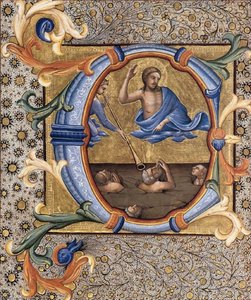
Cristoforo’s oeuvre comprises four extant manuscripts, primarily illuminated Gospels and Psalters, demonstrating a remarkable command of technique and stylistic innovation. Notably, the Borromeo Book of Hours stands as a testament to his skill—a lavishly decorated manuscript featuring intricate floral borders and vibrant pigments that exemplify the artistic fervor of Florence during the Renaissance.
Leonardo da Vinci himself recognized Cristoforo’s exceptional abilities, recounting an encounter where he remarked on the profound wisdom gleaned from individuals devoid of speech. This anecdote underscores the broader humanist preoccupation with sensory experience and intellectual contemplation—themes that resonate throughout Cristoforo’s artistic output.
Cristoforo de Predis's contribution to Renaissance art lies not merely in his technical prowess but also in his embodiment of humanist ideals – a silent witness to an era defined by intellectual exploration and artistic flourishing. His work continues to fascinate scholars today, prompting ongoing debates about the role of disability in fostering creativity and shaping artistic vision.

APS ofrece reproducciones de bellas artes y encargos personalizados desde 2004. Confían en nosotros corporaciones, hoteles y coleccionistas selectos para obras de arte de calidad museística, servicio discreto y soluciones artísticas completas. ¡Póngase en contacto con nosotros para obtener un presupuesto personalizado!
اكتشف 25 تحفة فنية لفنان العبقري جوايا! رحلة في عالم لوحاته المؤثرة، من الرومانسية إلى الواقعية. احصل على نسخ عالية الجودة لديكور منزلك الفاخر على Most-Famous-Paintings.com

Découvrez notre histoire ! Nous apportons l'art de classe mondiale dans votre vie grâce à une sélection experte, des créations personnalisées et des aperçus gratuits. Approuvé par les particuliers et les entreprises depuis 2000.
Explore the captivating world of Pieter de Hooch, a master of Dutch Golden Age painting. Discover his innovative use of light, intimate domestic scenes, and lasting influence on art history. Learn more at Most-Famous-Paintings.

Explore the revolutionary De Stijl movement & Neo-Plasticism with our expert guide. Discover Piet Mondrian, Theo van Doesburg, and the lasting impact of this influential art style. Learn about collecting & investing in De Stijl masterpieces.


ابقَ على اطلاع بأحدث أخبار الفن، والعروض الحصرية، وأفكار الديكور.
أخبرنا عن مشروعك، وسيقدم لك خبراؤنا الفنيون 3 اقتراحات فنية مخصصة لك.
دعنا نختار لك ٣ خيارات مخصصة تماماً - مجاناً!


 معاينة الحجم الحقيقي
 مشاركة
 مشاركة
 التفاصيل

 تحميل الملف
 قطع مشابهة
 الأشعة السينية
 عرض شرائح
 عرض المزيد







 خيار الزجاج متاح فقط للمقاسات التي تقل عن 110 سم




![Vida De Miguel De Cervantes Saavedra (life Of Miguel De Cervantes Saavedra). Book V Of The Edition Of Don Quixote (biblioteca Nacional De España)\n\n[7] — Martín Fernández De Navarrete Y Ximénez De Tejada, Academic Art](/media/artworks/images/thumbnails/99/f9/99f969c294754562907a5ffd062310fa.jpg)

