


x


 Preview
 اطلب نسخة مرسومة يدوياً شراء الصورة بدقة عالية
 مشاركة
 التفاصيل
 أضف إلى المفضلة
 تحميل الملف
 قطع مشابهة
 الأشعة السينية
 عرض شرائح
 زيت على لوح خشبيEarly Netherlandish painting
 1467عصر النهضة
 180.0 x 150.0 cm
 Sint-Jacobskerk
طباعة جيكلي أو كانفاس بجودة المتاحف، مع سرعة في التنفيذ وخيارات متنوعة للتشطيب.





























اختر من بين أحجامنا المُعدّة مسبقًا والتي تتطابق مع النسب الأصلية للعمل الفني.

يمكنك إدخال أبعادك الخاصة لتناسب إطاراً أو مساحة معينة. وإذا لم يتطابق الحجم الذي اخترته مع نسب الصورة الأصلية، فسنقوم إما بقص العمل الفني أو تمديد الصورة باستخدام حافة معكوسة أو بلون مصمت. سيتم إرسال نموذج تجريبي رقمي لاعتمادك قبل بدء الإنتاج.
يرجى ملاحظة أن المعاينة على الشاشة لا تعكس عملية القص أو التمديد الفعلية؛ حيث سيوضح النموذج التجريبي فقط التكوين النهائي بدقة.
وعلى الرغم من توفر أحجام مخصصة، إلا أننا نوصي باختيار أبعاد من القائمة المحددة مسبقاً للحفاظ على النسب الأصلية.
توصيل عالمي إلى خلال أسبوعين بدلاً من المدة القياسية البالغة 4/5 أسابيع. 24 يوليو


The Last Supper
مقاس النسخة المطبوعة
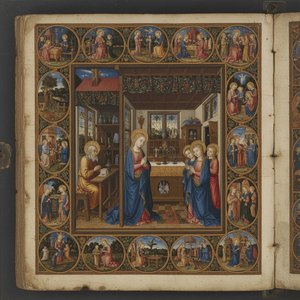
In the quiet, hallowed halls of art history, few images command as much reverence as The Last Supper by the Early Netherlandish master Dieric Bouts. Created around 1467, this profound work serves as a window into a sacred moment, capturing the heavy atmosphere of Christ’s final meal with his apostles. Unlike the dramatic, sweeping gestures found in later Italian Renaissance works, Bouts invites us into a space of subtle solemnity and deep psychological introspection. The scene unfolds within a meticulously rendered dining room, where the weight of impending betrayal hangs invisibly over a table set with delicate bowls, cups, and wine glasses. As we gaze upon the gathered figures, we are not merely observers of a historical event, but witnesses to a profound human drama, where every glance and every stillness speaks of loyalty, fear, and divine purpose.
The artistry of Bouts is defined by his ability to marry meticulous realism with an innovative use of perspective. As a pioneer of the Northern Renaissance, he utilized the burgeoning techniques of oil painting to achieve a level of detail that feels almost tactile. One can almost sense the cool air of the room and the texture of the linens spread across the table. His mastery lies in his restraint; rather than relying on overt emotional outbursts, Bouts uses light and composition to guide the eye through the complex arrangement of the twelve apostles. The way light catches the rim of a glass or illuminates the thoughtful expression on a disciple's face creates a sense of unprecedented realism that draws the viewer into the very heart of the gathering.
Beyond its surface beauty, this masterpiece is a rich tapestry of theological symbolism. As part of the larger Altarpiece of the Holy Sacrament, the painting functions as more than just a depiction of a meal; it is an exploration of the Eucharist and the institution of a sacred covenant. The arrangement of the figures, the placement of the vessels, and the quiet tension between the apostles all serve to reinforce the gravity of the moment. Bouts employs a sophisticated iconographic language that rewards the patient observer, embedding layers of meaning within the mundane objects of the feast. For the collector or the enthusiast, this depth ensures that the painting remains a subject of endless discovery, offering new insights with every viewing.
For those looking to bring a piece of this historical grandeur into a contemporary space, a high-quality reproduction of The Last Supper offers an unparalleled opportunity. Whether placed in a grand library, a sophisticated dining room, or a curated gallery wall, the painting acts as a powerful focal point that commands respect and invites contemplation. Its muted, earthy palette and classical composition harmonize beautifully with both traditional and modern interior designs, providing a sense of timelessness and intellectual depth. To possess such a work is to hold a fragment of the 15th century, a piece of the soul of Flanders, preserved through the enduring legacy of Dieric Bouts.

1410 - 1475

Journey into the world of Early Netherlandish painting! Explore 10 masterpieces by Jan van Eyck, Rogier van der Weyden & more. Discover stunning detail, symbolism & Renaissance art for your home decor. Find museum-quality reproductions on Most-Famous-Paintings.com

Explore the captivating world of Early Netherlandish painting! Discover Jan van Eyck & other Flemish masters, their revolutionary techniques, hidden symbolism, and lasting legacy. A comprehensive guide for art enthusiasts.

Journey into the Early Netherlandish Renaissance! Explore 10 iconic paintings by Jan van Eyck, Rogier van der Weyden & more. Discover stunning detail, symbolism, and oil painting techniques. Find museum-quality art reproductions for your home at Most-Famous-Paintings.com.
Explore the revolutionary work of Robert Campin, a pioneer of Early Netherlandish painting. Discover his naturalistic style, religious symbolism in masterpieces like the Mérode Altarpiece, and lasting influence on art history.

Explore the captivating world of Early Netherlandish painting! Discover Jan van Eyck, Hans Memling & more. Uncover symbolism, techniques & the legacy of these Flemish masters. A comprehensive guide for art enthusiasts.


ابقَ على اطلاع بأحدث أخبار الفن، والعروض الحصرية، وأفكار الديكور.
أخبرنا عن مشروعك، وسيقدم لك خبراؤنا الفنيون 3 اقتراحات فنية مخصصة لك.
دعنا نختار لك ٣ خيارات مخصصة تماماً - مجاناً!


 مشاركة

 عرض المزيد







 خيار الزجاج متاح فقط للمقاسات التي تقل عن 110 سم


