


x


لوحة زيتية مرسومة يدوياً على الكانفاس بالمقاس والإطار الذي تفضله، تُنفذ حسب الطلب على أيدي فنانينا. ( Switch to Print Switch to Image)
اختر من بين أحجامنا المُعدّة مسبقًا والتي تتطابق مع النسب الأصلية للعمل الفني.

يمكنك إدخال أبعادك الخاصة لتناسب إطارًا معينًا أو مساحة محددة. وإذا لم يتطابق الحجم الذي اخترته مع نسب الصورة الأصلية، فسنقوم إما بقص العمل الفني أو توسيع اللوحة بإضافة عناصر مرسومة يدويًا. سيتم إرسال نموذج رقمي إليك للموافقة عليه قبل بدء الإنتاج.
يرجى ملاحظة أن المعاينة على الشاشة لا تعكس عملية القص أو التوسيع الفعلية؛ حيث إن النموذج الرقمي وحده هو الذي سيوضح التكوين النهائي بدقة.
وعلى الرغم من توفر أحجام مخصصة، إلا أننا نوصي باختيار أبعاد من القائمة المحددة مسبقًا للحفاظ على النسب الأصلية للعمل الفني.
توصيل عالمي إلى خلال 3 إلى 4 أسابيع بدلاً من المدة المعتادة البالغة 5 أسابيع. (29 يوليو). جودة لا تهاون فيها.


Prophet with Scroll
مقاس النسخة المطبوعة
Donatello’s “Prophet with Scroll,” crafted between 1415 and 1418, stands as a pivotal work in the burgeoning Early Renaissance of Florence. More than simply a depiction of biblical prophecy, this monumental marble sculpture offers a profound meditation on human experience – a poignant blend of solemnity, introspection, and an enduring sense of spiritual yearning. Located within the third level of Giotto’s Campanile, it was originally intended to adorn the east side of the bell tower, commanding attention with its scale and emotive power.
The sculpture portrays an anonymous prophet, rendered in a remarkably realistic style that departs significantly from the stylized conventions of the International Gothic. Donatello masterfully employed classical influences – particularly evident in the figure’s anatomical precision and balanced composition – while simultaneously imbuing it with a distinctly human quality. The prophet stands erect, his gaze fixed forward with an intensity that suggests both profound contemplation and a weighty responsibility. His smock and cloak are simple yet dignified, reflecting a rejection of ostentatious display and a focus on inner virtue.
What immediately draws the viewer’s eye is the prophet's face – a masterpiece of expressive realism. Donatello eschews idealized beauty, instead presenting a figure marked by age, weariness, and perhaps even sorrow. The furrowed brow, the downturned mouth, and the deeply set eyes convey a sense of melancholy and burdened wisdom. This isn’t a triumphant messenger; rather, it's an individual grappling with the complexities of faith, duty, and the weight of prophecy. The subtle details – the slight wrinkles around the eyes, the hint of sadness in his posture – speak volumes about the human condition.
Crucially, Donatello doesn’t simply depict a prophet delivering a message; he captures the *process* of receiving it. The figure extends both hands towards a scroll, suggesting an active engagement with divine revelation. This gesture invites us to consider the role of the individual in interpreting and responding to spiritual guidance – a theme that resonated deeply within the humanist philosophy gaining traction during this period.
Sculpted from pristine white marble, “Prophet with Scroll” showcases Donatello’s exceptional technical skill. The smooth, polished surface reflects light beautifully, enhancing the figure's luminosity and creating a sense of ethereal presence. The drapery is rendered with remarkable detail, conveying both weight and fluidity. Donatello’s mastery of anatomy is particularly evident in the prophet’s musculature and skeletal structure – a testament to his rigorous study of classical sculpture.
It's important to note that this wasn’t a solitary endeavor; Donatello likely employed assistants in the creation of this monumental work. However, the overall vision and artistic direction undoubtedly rested with him, resulting in a piece that embodies both individual genius and collaborative effort. The statue’s placement within Giotto’s Campanile further elevates its significance, transforming it into a focal point for the entire city.
Beyond its immediate visual appeal, “Prophet with Scroll” is rich in symbolic meaning. The scroll itself represents divine revelation – the transmission of God's word to humanity. The prophet’s solitary stance reflects the often-isolated role of a messenger, burdened with delivering difficult truths. Yet, his gaze and gesture suggest an unwavering commitment to his task, embodying the ideals of courage, integrity, and spiritual devotion.
Donatello’s “Prophet with Scroll” remains one of the most celebrated works of the Early Renaissance. It exemplifies the period's shift towards humanism – a renewed interest in classical antiquity and a celebration of individual potential. Its enduring power lies not only in its technical brilliance but also in its profound exploration of the complexities of faith, humanity, and the search for meaning within a rapidly changing world. Reproductions capture this essence beautifully, offering a timeless reminder of the beauty and depth of Renaissance art.


1386 - 1466 , إيطاليا

Explore the Renaissance! Discover key artists like Leonardo & Michelangelo, the rise of Humanism, and groundbreaking techniques such as chiaroscuro. A comprehensive guide for art enthusiasts.

Explore the groundbreaking innovations & humanist ideals of Early Renaissance art (c. 1400-1500). Discover masterpieces by Botticelli, Fra Angelico & more. A deep dive for art enthusiasts.

Explore the refined tastes of European aristocracy from the Renaissance to the Belle Époque. Discover how art collecting shaped history & influenced iconic styles. Expert insights for discerning collectors.
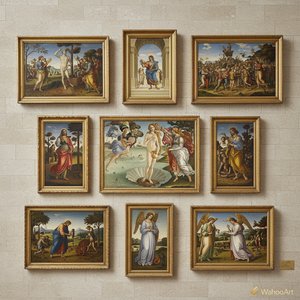
اكتشف روائع عصر النهضة المبكرة! استكشف 10 تحف فنية خالدة مع ليوناردو و مايكل أنجلو. قصص الفنانين، تقنيات الرسم، وأكثر. احصل على لوحات زيتية عالية الجودة من Most-Famous-Paintings.com وابدأ رحلتك الفنية الآن!

Explore the groundbreaking innovations of the Early Renaissance! Discover the art, history, and humanist ideals that shaped a new era in painting, sculpture & architecture. Learn about Masaccio, Florence, and more.


ابقَ على اطلاع بأحدث أخبار الفن، والعروض الحصرية، وأفكار الديكور.
أخبرنا عن مشروعك، وسيقدم لك خبراؤنا الفنيون 3 اقتراحات فنية مخصصة لك.
دعنا نختار لك ٣ خيارات مخصصة تماماً - مجاناً!


 مشاركة
 مشاركة
 التفاصيل

 تحميل الملف
 قطع مشابهة
 عرض شرائح


 عرض المزيد




































 خيار الزجاج متاح فقط للمقاسات التي تقل عن 110 سم


