


x

احصل على صورة رقمية عالية الدقة ومعزّنة، بجودة تفوق بكثير المعاينة عبر الإنترنت.
يتم إعداد كل ملف بعناية فائقة من قبل متخصصينا الداخليين باستخدام أدوات متقدمة ولمسات يدوية خبيرة. نضمن أن تتمتع كل صورة بوضوح استثنائي، ودقة لونية متناهية، وتفاصيل دقيقة.
يتم تسليم الملف النهائي عبر البريد الإلكتروني في غضون 72 ساعة، وهو مُحسَّن للاستخدام الفوري في المجالات المهنية والتحريرية ومجالات الطباعة. هذه هي ذات الجودة التي تعتمد عليها كبرى استوديوهات التصميم ودور النشر والمعارض الفنية المرموقة.
حمّل ملفاً عالي الدقة للعرض الشخصي، والطباعة، والمشاريع الإبداعية. ( اشترِ نسخة مطبوعة اشترِ لوحة مرسومة يدويًا)
عندما تختار Most-Famous-Paintings.com، فأنت لا تحصل على مجرد صورة فحسب، بل ستحصل على عمل فني رقمي مُحسّن باحترافية، صُمم بدقة متناهية ومصحوب بضمان الرضا. إليك كل ما يتضمنه طلبك تلقائياً:

ستصلك ملفات صورك الرقمية عالية الدقة عبر البريد الإلكتروني في غضون 72 ساعة من إتمام الطلب - لتكون جاهزة للاستخدام الفوري.

يتم تحسين عملك الفني باحترافية باستخدام أدوات الذكاء الاصطناعي المتقدمة والتحرير اليدوي، لضمان أقصى درجات التفاصيل والوضوح ودقة الألوان.

هل حذفت ملفك أو فقدته عن طريق الخطأ؟ لا تقلق - سنعيد إرساله إليك في أي وقت، ومجاناً.

استمتع بأعمالك الفنية فوراً دون أي رسوم جمركية أو ضرائب أو مصاريف شحن - فالتحميلات الرقمية دائماً ما تكون معفاة من الضرائب.

نحن نضمن أن تعكس صورتك الرقمية الألوان الأصلية بأقصى قدر ممكن من الدقة، وذلك باستخدام أدوات احترافية وتقنيات إدارة الألوان.

إذا لم تكن راضياً عن صورتك الرقمية، فسنقوم بتعديلها أو استرداد 100% من قيمتها خلال 60 يوماً - دون أي أسئلة.

لم تكن راضياً؟ احصل على استرداد كامل المبلغ خلال 60 يومًا من استلام ملفك الرقمي - دون أي أسئلة.

اشتري 3 صور، ووفر 10% - اشتري 5، ووفر 15% - اشتري +10، ووفر 20%. مثالية للمشاريع الإبداعية، والمعارض، والوكالات.
Édouard Manet’s L’Espada, a monochromatic etching completed around 1862, isn't merely a portrait; it’s a carefully constructed tableau vivant—a snapshot of Victorian masculinity imbued with an undercurrent of melancholy and subtle defiance. The subject, identified as Victorine Meurent, a model known for her striking beauty and independent spirit, is depicted in a pose that simultaneously evokes the grandeur of a Spanish bullfighter and the vulnerability of a solitary figure. Manet masterfully captures a moment suspended between action and contemplation, inviting the viewer to decipher the narrative hidden within this seemingly simple scene.
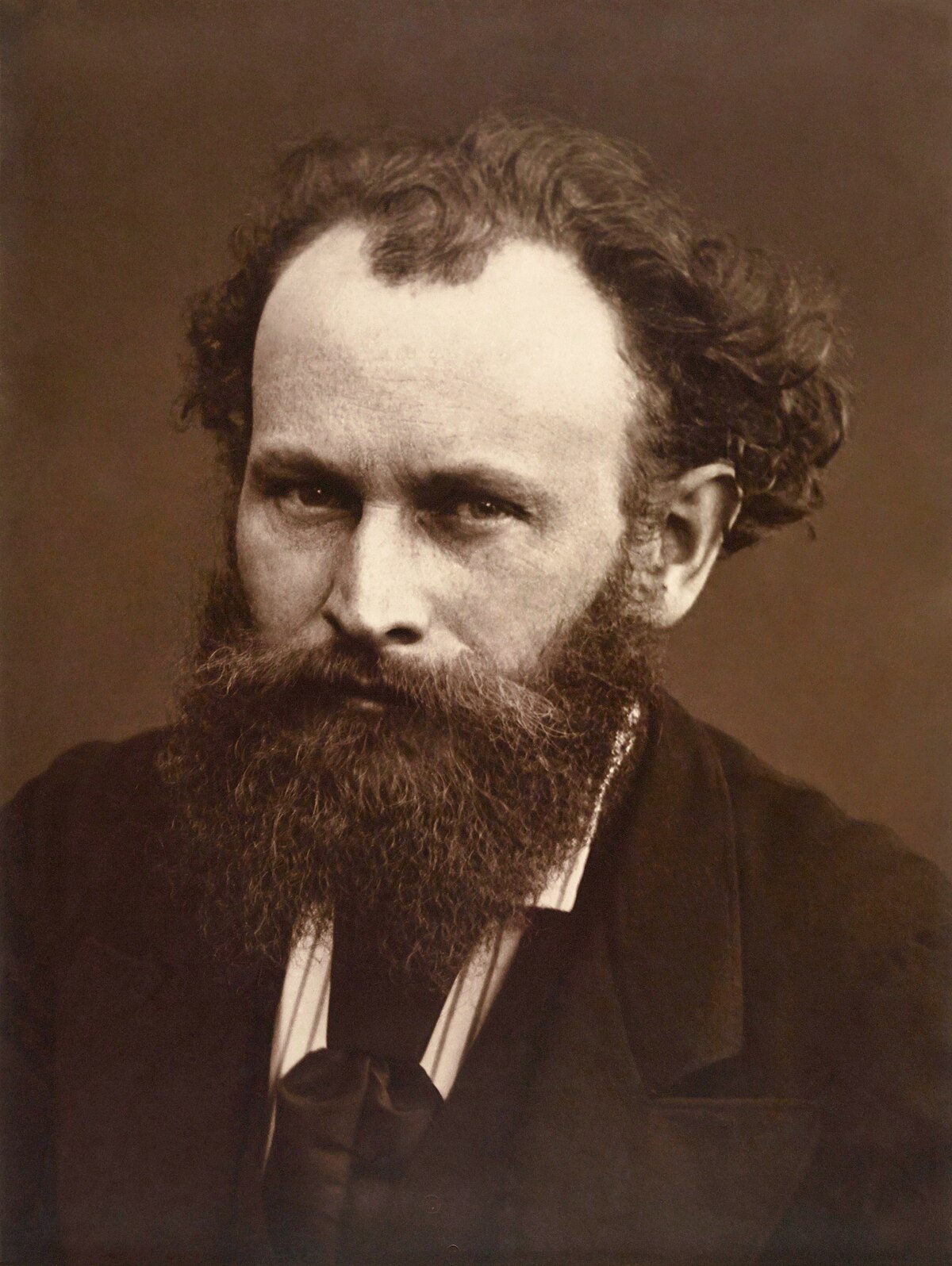
The etching’s power lies in its deliberate blending of influences. Manet, a restless innovator, drew inspiration from a diverse range of sources—from the dramatic compositions of Francisco Goya's *Tauromaquia* series to the theatrical poses of Renaissance prints depicting figures like Temperance and Justice. He skillfully adapted elements from these disparate traditions, creating a work that feels both historically rooted and strikingly modern. The backdrop, a meticulously rendered scene of a bullring, echoes Goya’s powerful imagery while Victorine's stance subtly references the allegorical figure of Temperance, suggesting restraint and control. The inclusion of other figures in the background—a group of spectators observing the action—adds to the sense of drama and immediacy.
Manet’s masterful use of etching technique is central to the work's impact. The stark contrasts between light and shadow, achieved through varying pressures on the metal plate, create a dramatic sense of depth and volume. The sharply defined lines delineate the subject’s form, while subtle tonal variations suggest texture—the folds of his cloak, the sheen of his sword, and the rough surface of the bullring wall. The monochromatic palette amplifies the emotional intensity of the scene, lending it a somber and introspective quality. Victorine's direct gaze at the viewer is particularly arresting, inviting us to share in her quiet contemplation.
Beyond its formal elements, L’Espada offers a poignant commentary on Victorian masculinity. The figure of the “espada,” or bullfighter, traditionally represented strength, courage, and virility, is here presented with an unexpected vulnerability. Victorine's unconventional attire—a pink cape that deviates from the traditional red—and her detached expression suggest a rejection of conventional expectations. The etching subtly critiques the rigid social codes of the era, hinting at the suppressed emotions and desires beneath the surface of Victorian propriety. It’s a portrait not just of a man, but of a complex and layered individual grappling with his own identity within a restrictive society.


1832 - 1883 , فرنسا


ابقَ على اطلاع بأحدث أخبار الفن، والعروض الحصرية، وأفكار الديكور.
أخبرنا عن مشروعك، وسيقدم لك خبراؤنا الفنيون 3 اقتراحات فنية مخصصة لك.
دعنا نختار لك ٣ خيارات مخصصة تماماً - مجاناً!


 معاينة الحجم الحقيقي
 مشاركة
 مشاركة
 التفاصيل

 تحميل الملف
 قطع مشابهة
 الأشعة السينية
 عرض شرائح

 عرض المزيد


