x

طباعة جيكلي أو كانفاس بجودة المتاحف، مع سرعة في التنفيذ وخيارات متنوعة للتشطيب. ( اشترِ لوحة مرسومة يدويًا اشترِ الصورة)





























اختر من بين أحجامنا المُعدّة مسبقًا والتي تتطابق مع النسب الأصلية للعمل الفني.

يمكنك إدخال أبعادك الخاصة لتناسب إطاراً أو مساحة معينة. وإذا لم يتطابق الحجم الذي اخترته مع نسب الصورة الأصلية، فسنقوم إما بقص العمل الفني أو تمديد الصورة باستخدام حافة معكوسة أو بلون مصمت. سيتم إرسال نموذج تجريبي رقمي لاعتمادك قبل بدء الإنتاج.
يرجى ملاحظة أن المعاينة على الشاشة لا تعكس عملية القص أو التمديد الفعلية؛ حيث سيوضح النموذج التجريبي فقط التكوين النهائي بدقة.
وعلى الرغم من توفر أحجام مخصصة، إلا أننا نوصي باختيار أبعاد من القائمة المحددة مسبقاً للحفاظ على النسب الأصلية.
توصيل عالمي إلى خلال أسبوعين بدلاً من المدة القياسية البالغة 4/5 أسابيع. 20 أغسطس


Le gamin
مقاس النسخة المطبوعة
Édouard Manet’s “Le Gamin au Chien” (1862) isn't merely a charming depiction of a boy and his dog; it represents a crucial moment in the burgeoning Impressionist movement, capturing a fleeting glimpse into the everyday life of Paris during its transformative era. Painted against a muted palette dominated by earthy browns and greys—a deliberate departure from academic conventions—the artwork speaks volumes about Manet’s artistic ambition to portray reality as he perceived it, prioritizing atmosphere and light over meticulous detail.
Manet's approach aligns perfectly with the tenets of Impressionism championed by artists like Claude Monet and Pierre-Auguste Renoir. Unlike traditional painters who painstakingly blended colors on canvas to achieve idealized representations, Manet employed loose brushstrokes—almost visible as individual marks—to convey the immediacy of a scene. The artist skillfully utilized broken color, layering shades of ochre and umber to create depth and luminosity, mirroring how sunlight filters through the Parisian air. This technique wasn’t simply about accuracy; it was about capturing the *feeling* of the moment – the warmth of the sun, the stillness of the street.
“Le Gamin au Chien” emerged during a period of rapid urbanization in Paris. The city was experiencing unprecedented growth fueled by industrialization and immigration, fundamentally altering social dynamics and daily routines. Manet’s subject matter—a young boy playing with his dog in a nondescript Parisian courtyard—reflects this shift towards realism. It's a scene devoid of grand narratives or heroic figures; instead, it focuses on the quiet dignity of ordinary life – a deliberate challenge to the romanticized depictions favored by earlier generations.
Beyond its stylistic innovations, “Le Gamin au Chien” possesses subtle symbolic resonance. The boy’s gaze directly confronts the viewer, establishing an unsettling intimacy that disrupts the conventional hierarchy of subject matter within painting. He embodies a youthful innocence juxtaposed against the backdrop of urban decay—a poignant commentary on the anxieties and uncertainties of modernity. Furthermore, the dog serves as a grounding element, anchoring the composition while simultaneously symbolizing companionship and vulnerability.
"Le Gamin au Chien" transcends mere visual representation; it evokes a profound emotional response. The muted colors and loose brushstrokes convey a sense of melancholy and contemplation—a feeling that lingers long after viewing the artwork. Manet’s masterful manipulation of light and shadow captures the ephemeral beauty of everyday life, reminding us to appreciate the simple pleasures and fleeting moments that constitute our experience. It's a testament to Manet’s ability to transform ordinary subjects into enduring symbols of artistic innovation and human emotion.


1832 - 1883 , فرنسا
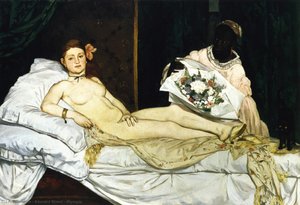
اكتشف 25 تحفة فنية لإدوارد مانيه، رائد الفن الحديث. استكشف لوحاته الانطباعية الشهيرة مثل Olympia و Le Déjeuner sur l'herbe. احصل على نسخ عالية الجودة لتزيين منزلك بأناقة وفخامة. اكتشف جميع الروائع على Most-Famous-Paintings.com

Explore the life & art of Édouard Manet, a pivotal figure bridging Realism and Impressionism. Discover his revolutionary techniques, controversial masterpieces like 'Olympia,' and lasting impact on modern art history.
اكتشف 10 روائع رسمية حددت حركة الانطباعية! من مونيه إلى رينوار، استكشف قصص الفنانين وتقنياتهم. لوحات زيتية ساحرة وألوان خلابة لتنسيق داخلي فني راقٍ. تسوق إعادة إنتاج فنية عالية الجودة على Most-Famous-Paintings.com

Journey through Impressionism's heart with 10 iconic paintings by Monet, Renoir & Degas. Explore light, color & the stories behind these masterpieces. Find museum-quality art reproductions and elevate your home decor on Most-Famous-Paintings.com.

Explore the captivating world of Édouard Cortès, 'The Painter of Paris'. Discover his iconic street scenes, unique style & lasting legacy. Expert insights for collectors and art enthusiasts.


ابقَ على اطلاع بأحدث أخبار الفن، والعروض الحصرية، وأفكار الديكور.
أخبرنا عن مشروعك، وسيقدم لك خبراؤنا الفنيون 3 اقتراحات فنية مخصصة لك.
دعنا نختار لك ٣ خيارات مخصصة تماماً - مجاناً!


 معاينة الحجم الحقيقي
 مشاركة
 مشاركة
 التفاصيل

 تحميل الملف
 قطع مشابهة
 الأشعة السينية
 عرض شرائح
 عرض المزيد







 خيار الزجاج متاح فقط للمقاسات التي تقل عن 110 سم