x

لوحة زيتية مرسومة يدوياً على الكانفاس بالمقاس والإطار الذي تفضله، تُنفذ حسب الطلب على أيدي فنانينا. ( اشترِ نسخة مطبوعة اشترِ الصورة)





























اختر من بين أحجامنا المُعدّة مسبقًا والتي تتطابق مع النسب الأصلية للعمل الفني.

يمكنك إدخال أبعادك الخاصة لتناسب إطارًا معينًا أو مساحة محددة. وإذا لم يتطابق الحجم الذي اخترته مع نسب الصورة الأصلية، فسنقوم إما بقص العمل الفني أو توسيع اللوحة بإضافة عناصر مرسومة يدويًا. سيتم إرسال نموذج رقمي إليك للموافقة عليه قبل بدء الإنتاج.
يرجى ملاحظة أن المعاينة على الشاشة لا تعكس عملية القص أو التوسيع الفعلية؛ حيث إن النموذج الرقمي وحده هو الذي سيوضح التكوين النهائي بدقة.
وعلى الرغم من توفر أحجام مخصصة، إلا أننا نوصي باختيار أبعاد من القائمة المحددة مسبقًا للحفاظ على النسب الأصلية للعمل الفني.
توصيل عالمي إلى خلال 3 إلى 4 أسابيع بدلاً من المدة المعتادة البالغة 5 أسابيع. (17 أغسطس). جودة لا تهاون فيها.


untitled (4865)
مقاس النسخة المطبوعة
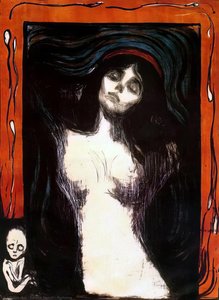
In the quiet, turbulent corridors of early 20th-century art, few works possess the haunting, psychological depth found in Edvard Munch’s untitled (4865). Painted around 1902, this enigmatic masterpiece serves as a profound window into the soul, capturing much more than a mere likeness of its subjects. It is an evocative landscape of the human psyche, where the boundaries between reality and memory, or presence and absence, begin to dissolve. The painting presents us with a formally dressed man, anchored in the frame, yet he is shadowed by the spectral, semi-transparent presence of a female figure. This deliberate ambiguity creates a sense of profound vulnerability, inviting the viewer to step into a world where emotions are not merely felt but are visually manifested through color and form.
The composition is masterfully structured around a vertical axis that lends the piece both stability and a certain claustrophobic intensity. Munch utilizes a palette dominated by warm, earthy ochre and hazy yellow tones, which seem to vibrate with an inner light. This background does not merely serve as a setting; it acts as a living, breathing entity that merges with the ethereal woman, making her appear as much a projection of the man’s subconscious as a physical being. For the discerning collector or interior designer, this piece offers a sophisticated focal point—a work that commands attention through its subtle contrasts and its ability to anchor a room with its heavy, atmospheric presence.
To understand untitled (4865), one must look toward the heart of the Symbolist movement. Moving away from the objective observations of Impressionism, Munch embraced a style that prioritized subjective experience and emotional resonance. Influenced by the burgeoning field of psychoanalysis and the philosophical shifts of his era, he sought to paint "soul paintings"—works that captured the invisible tremors of fear, grief, and longing. The female figure in this work, appearing as a ghostly reflection, serves as a powerful symbol of the ephemeral nature of life and the persistence of memory, themes that were deeply personal to Munch following the tragic losses of his mother and sister.
The technical execution of the painting is nothing short of visceral. Employing oil on canvas, Munch utilized an impasto technique, where thick, deliberate brushstrokes create a palpable texture on the surface. These gestural lines and fluid forms reject anatomical precision in favor of movement and dynamism. The way the paint is layered allows light to catch the ridges of the strokes, adding a tactile dimension that enhances the painting's dreamlike quality. This expressive approach is a cornerstone of Expressionism, ensuring that every movement of the brush contributes to the overall mood of existential reflection.
For those looking to curate an environment of intellectual depth and emotional sophistication, this reproduction of Munch’s work offers unparalleled inspiration. The painting’s ability to evoke a sense of mystery makes it an ideal centerpiece for spaces dedicated to contemplation, such as private libraries, study halls, or avant-garde living areas. It does not merely decorate a wall; it initiates a dialogue with the viewer. The juxtaposition of the man's solid, formal presence against the fluid, translucent woman creates a tension that is both intellectually stimulating and aesthetically pleasing.
Investing in a high-quality reproduction of such a significant work allows for the preservation of its most vital element: its atmosphere. Whether placed in a contemporary setting to provide a striking historical contrast or integrated into a more classical interior to add layers of texture, untitled (4865) remains a timeless testament to the beauty found within human struggle. It is a piece that rewards repeated viewing, revealing new nuances of color and shadow each time the eye wanders across its expressive, textured surface.

في قلب النرويج، حيث تتلاقى المناظر الطبيعية الخلابة مع صقيع الشتاء القارس، وُلد إدفارد مونش عام 1863، ليصبح أحد أبرز فناني القرن العشرين. لم يكن مونش مجرد رسام؛ بل كان شاعرًا بصريًا، عبّر عن أعماق النفس البشرية بجرأة وشاعرية فريدة. حياته، التي طبعتها الفواجع والآلام، كانت بمثابة الوقود الذي أشعل شرارة إبداعه، وحوّلها إلى نافذة تطل على عالم من القلق الوجودي والمعاناة الإنسانية.
نشأ مونش في كنف عائلة تعيش ظروفًا قاسية. فقدت والدته وشقيقته بسبب مرض السل المدمر، مما ترك ندوبًا عميقة في نفسه الصغيرة. هذه التجارب المبكرة لم تكن مجرد أحداث عابرة؛ بل أصبحت جزءًا لا يتجزأ من رؤيته الفنية، وألهبته لاستكشاف أعماق الخوف والحزن والوحدة. كما ساهمت معتقدات والده الدينية الصارمة وصراعاته النفسية في تعزيز الشعور بالرهبة الذي سيطر على عالم مونش، وشكل ليس فقط حياته الشخصية بل أيضًا اللغة الرمزية لأعماله الفنية.
بدأ مونش طريقه الفني بتلقي التعليم في المعهد الملكي للفنون والتصميم في كريستيانا (أوسلو)، لكن نقطة التحول الحقيقية كانت لقاؤه بالفيلسوف النيليستي هانس ييغر. شجعه ييغر على التخلي عن الأساليب الأكاديمية التقليدية، والانطلاق نحو استكشاف ذاته الداخلية وعواطفه العميقة. هذا التحول الجذري أدى إلى ظهور أسلوبه المميز – أسلوب يتسم بالعاطفة الخام والأشكال المشوهة والرفض المطلق للتمثيل الطبيعي.
رحلاته إلى باريس في التسعينيات من القرن التاسع عشر عرّضته للحركة التعبيرية الصاعدة، حيث استمد الإلهام من فنانين مثل بول غوغان وفنسنت فان جوخ وهنري دو تولوز لوتريك. تبنى مونش استخدام الألوان الجريئة والضربات الفرشاة المعبرة، لكنه لم يكتفِ بمجرد تقليدهم؛ بل صهر هذه التأثيرات في أسلوبه الخاص، ليخلق لغة بصرية قادرة على التعبير عن أكثر المشاعر الإنسانية عمقًا وإيلامًا. كما كانت لقاءاته مع المسرحي أغسطس سترندبيرغ حاسمة، حيث أثرت استكشافاته النفسية في أعماله الفنية.
الصراخ (The Scream)، ربما أشهر لوحات مونش وأكثرها تأثيرًا، تتجاوز كونها مجرد عمل فني لتصبح رمزًا عالميًا للقلق الوجودي. يجسد المشهد المتأرجح والألوان النارية والوجه المشوه في اللوحة صرخة أبدية ضد لامبالاة الكون. لم يكن مونش يرسم ما يراه بالعين المجردة؛ بل كان يسعى إلى تجسيد ما يشعر به في أعماق روحه، وتحويل الألم النفسي إلى شكل مرئي ملموس.
إلى جانب الصراخ، تبرز أعمال أخرى مثل المدامنة (Madonna)، التي تستكشف موضوعات الجنس والأمومة والموت بجرأة وصراحة غير مسبوقة. كما أن سلسلة الطفل المريض، المستوحاة من فقدان شقيقته صوفي، تقدم تذكيرًا مؤثرًا بالخسارة والضعف الإنساني. أما لوحات الكآبة الأولى والثانية، فتصور ببراعة عميقة الحزن والعزلة، وتكشف عن هشاشة الروح البشرية.
لا يمكن إنكار مساهمة إدفارد مونش في الفن الحديث. فهو يعتبر شخصية محورية في تطور التعبيرية، ومهد الطريق أمام جيل من الفنانين الذين أولوا الأولوية للعاطفة الذاتية على التمثيل الموضوعي. استمرت أعماله في إلهام وإثارة الجدل لدى الجمهور على مر الأجيال، مما رسخ مكانته كواحد من أكثر الشخصيات تأثيرًا وديمومة في تاريخ الفن. لم يكن مونش يهدف إلى خلق صور جميلة فحسب؛ بل سعى إلى الكشف عن الحقيقة – حتى لو كانت مؤلمة ومزعجة.
على الرغم من الشهرة والتقدير الذي حققه، ظلت حياة مونش مليئة بالصراعات النفسية والعزلة. لكنه استمر في الإبداع، تاركًا وراءه إرثًا فنيًا غنيًا يستمر في تحدي وإلهام المشاهدين حول العالم. إن إرث مونش لا يقتصر على لوحاته فحسب؛ بل يتعلق بالشجاعة التي أظهرها في مواجهة تعقيدات الوجود الإنساني، وتحويل هذه التجارب إلى فن يتحدث إلى أعماقنا.
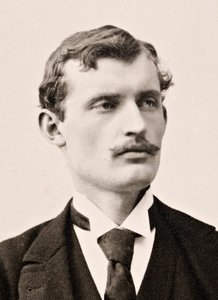
1863 - 1944 , السويد

Delve into the evocative history of sepia-toned masterpieces. Our expert guide explores the emotional depth of earth-toned art, from the Renaissance to Tonalism. Discover museum-quality, hand-painted oil reproductions designed for the discerning art enthusiast.


ابقَ على اطلاع بأحدث أخبار الفن، والعروض الحصرية، وأفكار الديكور.
أخبرنا عن مشروعك، وسيقدم لك خبراؤنا الفنيون 3 اقتراحات فنية مخصصة لك.
دعنا نختار لك ٣ خيارات مخصصة تماماً - مجاناً!


 معاينة الحجم الحقيقي
 مشاركة
 مشاركة
 التفاصيل

 تحميل الملف
 قطع مشابهة
 الأشعة السينية
 عرض شرائح

 عرض المزيد







 خيار الزجاج متاح فقط للمقاسات التي تقل عن 110 سم