x

لوحة زيتية مرسومة يدوياً على الكانفاس بالمقاس والإطار الذي تفضله، تُنفذ حسب الطلب على أيدي فنانينا. ( اشترِ نسخة مطبوعة اشترِ الصورة)





























اختر من بين أحجامنا المُعدّة مسبقًا والتي تتطابق مع النسب الأصلية للعمل الفني.

يمكنك إدخال أبعادك الخاصة لتناسب إطارًا معينًا أو مساحة محددة. وإذا لم يتطابق الحجم الذي اخترته مع نسب الصورة الأصلية، فسنقوم إما بقص العمل الفني أو توسيع اللوحة بإضافة عناصر مرسومة يدويًا. سيتم إرسال نموذج رقمي إليك للموافقة عليه قبل بدء الإنتاج.
يرجى ملاحظة أن المعاينة على الشاشة لا تعكس عملية القص أو التوسيع الفعلية؛ حيث إن النموذج الرقمي وحده هو الذي سيوضح التكوين النهائي بدقة.
وعلى الرغم من توفر أحجام مخصصة، إلا أننا نوصي باختيار أبعاد من القائمة المحددة مسبقًا للحفاظ على النسب الأصلية للعمل الفني.
توصيل عالمي إلى خلال 3 إلى 4 أسابيع بدلاً من المدة المعتادة البالغة 5 أسابيع. (19 أغسطس). جودة لا تهاون فيها.


Compartment Car
مقاس النسخة المطبوعة
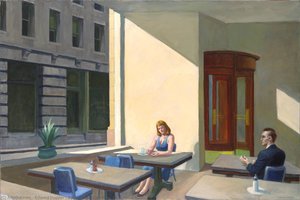
Edward Hopper’s “Compartment Car” (1931) is more than just a depiction of a train journey; it’s a meticulously crafted meditation on solitude, urban alienation, and the quiet dramas unfolding within the seemingly mundane moments of modern life. Painted during a period of significant social and technological change in America – the rise of railroads, increased urbanization, and the burgeoning sense of individual detachment – the painting resonates with a profound psychological depth that continues to captivate viewers nearly a century later. Hopper’s masterful use of light and shadow, combined with his precise observation of human form, elevates this scene into a powerful symbol of the anxieties and uncertainties inherent in the modern experience.
Hopper’s genius lies not merely in his technical skill but in his ability to manipulate light and shadow to evoke specific moods and emotions. The dim, diffused natural light filtering through the window creates a sense of mystery and melancholy, casting long shadows that obscure the faces of the other passengers and further emphasize the woman's isolation. This use of chiaroscuro – the dramatic contrast between light and dark – is a hallmark of Hopper’s style and contributes significantly to the painting’s evocative power. The subtle variations in tone create a sense of depth and atmosphere, drawing the viewer into the scene and inviting contemplation.
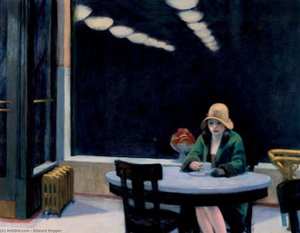
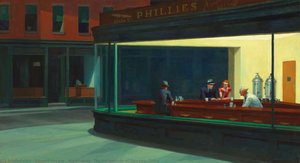
"Compartment Car" was created during a period of profound social and economic change in America. The rise of industrialization and urbanization had led to increased mobility and a growing sense of alienation, particularly among those who found themselves adrift in the impersonal landscape of modern cities. Hopper's paintings often reflected this mood of disillusionment and uncertainty, capturing the loneliness and isolation that many Americans felt despite their increasing connectedness through technological advancements. Hopper’s work aligns with the broader artistic movement of American Regionalism, which sought to depict the realities of everyday life in America, particularly in urban settings. His focus on ordinary subjects – a diner, a department store, a train compartment – elevated these scenes into powerful statements about the human condition.
“Compartment Car” continues to resonate with viewers today because it taps into universal themes of loneliness, introspection, and the search for meaning in a complex world. Hopper’s ability to capture such profound emotions through seemingly simple imagery is a testament to his artistic genius. This painting exemplifies Hopper's enduring legacy as one of America's most important 20th-century artists, whose work continues to provoke thought and inspire contemplation about the nature of modern life.

1931 - 1967 , الولايات المتحدة الأمريكية

Explore the profound history and technical mastery of woodcut relief printing. From ancient origins to German Expressionism, discover how artists use the subtractive process to create iconic works. A definitive guide for art students, collectors, and historians.

Discover the technical mastery behind Most-Famous-Paintings.com's premium Giclée canvas prints. Our guide for elite collectors explores archival pigment inks, museum-grade substrates, and the science of high-fidelity reproduction to ensure lasting beauty and historical accuracy.


ابقَ على اطلاع بأحدث أخبار الفن، والعروض الحصرية، وأفكار الديكور.
أخبرنا عن مشروعك، وسيقدم لك خبراؤنا الفنيون 3 اقتراحات فنية مخصصة لك.
دعنا نختار لك ٣ خيارات مخصصة تماماً - مجاناً!


 معاينة الحجم الحقيقي
 مشاركة
 مشاركة
 التفاصيل

 تحميل الملف
 قطع مشابهة
 الأشعة السينية
 عرض شرائح

 عرض المزيد







 خيار الزجاج متاح فقط للمقاسات التي تقل عن 110 سم