x

 Acrylic On CanvasWallArtAmerican Realism
 1931
1931 127.0 x 81.0 cm
لوحة زيتية مرسومة يدوياً على الكانفاس بالمقاس والإطار الذي تفضله، تُنفذ حسب الطلب على أيدي فنانينا. ( اشترِ نسخة مطبوعة اشترِ الصورة)





























اختر من بين أحجامنا المُعدّة مسبقًا والتي تتطابق مع النسب الأصلية للعمل الفني.

يمكنك إدخال أبعادك الخاصة لتناسب إطارًا معينًا أو مساحة محددة. وإذا لم يتطابق الحجم الذي اخترته مع نسب الصورة الأصلية، فسنقوم إما بقص العمل الفني أو توسيع اللوحة بإضافة عناصر مرسومة يدويًا. سيتم إرسال نموذج رقمي إليك للموافقة عليه قبل بدء الإنتاج.
يرجى ملاحظة أن المعاينة على الشاشة لا تعكس عملية القص أو التوسيع الفعلية؛ حيث إن النموذج الرقمي وحده هو الذي سيوضح التكوين النهائي بدقة.
وعلى الرغم من توفر أحجام مخصصة، إلا أننا نوصي باختيار أبعاد من القائمة المحددة مسبقًا للحفاظ على النسب الأصلية للعمل الفني.
توصيل عالمي إلى خلال 3 إلى 4 أسابيع بدلاً من المدة المعتادة البالغة 5 أسابيع. (16 أغسطس). جودة لا تهاون فيها.


The Camel's Hump
مقاس النسخة المطبوعة
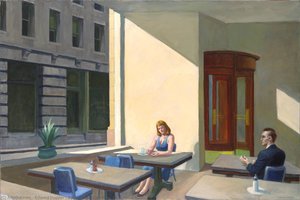
Edward Hopper's "The Camel’s Hump," painted in 1931, isn’t merely a depiction of a mountain range; it’s a distilled essence of American loneliness and the quiet drama unfolding within the vastness of the modern world. This oil on canvas transports us to a remote corner of Vermont, yet the scene resonates with a profound sense of solitude that speaks volumes about Hopper's masterful ability to capture the unspoken anxieties of his time. The painting’s enduring appeal lies in its deceptively simple composition – a winding road cutting through a rugged landscape dominated by towering, yellowish-hued mountains – and the subtle narrative it suggests, hinting at journeys both literal and metaphorical.
Hopper's New Realism style is powerfully evident here. He eschews romanticized landscapes in favor of an objective portrayal of reality, prioritizing light, shadow, and form over emotional embellishment. The meticulous attention to detail—the texture of the road surface, the subtle variations in color across the mountainsides, the slight curve of the distant trees—creates a remarkably convincing illusion of depth and space. The use of muted tones, punctuated by the warm glow of the sunlight, contributes significantly to the painting’s melancholic atmosphere. It's a world rendered with precision but imbued with an underlying sense of detachment.
The presence of a solitary car on the road is arguably the most significant element within "The Camel’s Hump." It immediately establishes a theme of travel, not necessarily towards a destination, but rather as an act of seeking—or perhaps fleeing. The car's diminutive size in relation to the immense mountains reinforces this feeling of isolation and vulnerability. It suggests a human presence dwarfed by the power and indifference of nature. This motif aligns perfectly with Hopper’s broader exploration of themes of alienation and urban loneliness, prevalent concerns during the interwar period.
The painting's setting—the Green Mountains of Vermont—adds another layer of meaning. These rugged peaks have a long history as symbols of wilderness and escape, yet here they are presented with a certain stoicism, reflecting the challenges faced by those who venture into them. The choice of this specific location speaks to Hopper’s fascination with the American landscape and his desire to capture its inherent beauty alongside its underlying sense of melancholy. Interestingly, the painting's title itself—borrowed from a prominent Vermont mountain—further anchors it within the regional context, grounding the abstract themes in a tangible place.
Hopper’s masterful manipulation of light is central to the painting’s emotional impact. The strong directional lighting casts deep shadows across the mountainsides, creating a dramatic interplay between illumination and darkness. This technique not only enhances the sense of depth but also subtly emphasizes the isolation of the figures within the landscape. The warm glow emanating from the sun suggests a fleeting moment of beauty amidst an otherwise bleak scene, hinting at a transient joy that is quickly overshadowed by the pervasive feeling of solitude.
Furthermore, Hopper’s use of color—primarily earthy tones punctuated by hints of yellow and blue—contributes to the painting's overall mood. The muted palette evokes a sense of quiet contemplation, while the subtle variations in hue create a visually engaging experience for the viewer. The careful orchestration of these elements transforms "The Camel’s Hump" into more than just a landscape; it becomes a poignant meditation on the human condition.
"The Camel's Hump" remains one of Edward Hopper’s most iconic works, captivating audiences with its evocative portrayal of American life. Most-Famous-Paintings offers meticulously crafted hand-painted reproductions that faithfully capture the painting’s original beauty and emotional depth. These reproductions are not merely copies; they are artistic interpretations created by skilled artisans who understand Hopper's techniques and vision.
Whether you’re an art enthusiast, a collector seeking to expand your collection, or simply someone drawn to Hopper’s timeless aesthetic, a Most-Famous-Paintings reproduction of "The Camel’s Hump" provides a stunning way to experience this masterpiece in your own home. It's a piece that invites contemplation, sparking conversations about loneliness, isolation, and the enduring beauty of the American landscape.


1931 - 1967 , الولايات المتحدة الأمريكية
اكتشف 25 تحفة فنية لإدوارد هوبر، رائد الواقعية الأمريكية. استكشف قصص لوحاته الخالدة وألوانها المؤثرة وتقنياته الفريدة. احصل على نسخ عالية الجودة لتزيين منزلك بأعمال فنية أصيلة. تصفح المجموعة الكاملة الآن على Most-Famous-Paintings.com!
Explore 10 defining American Realism masterpieces – Hopper, Homer & more. Discover the stories behind these iconic paintings and bring timeless art to your home with Most-Famous-Paintings's museum-quality reproductions. Explore the full collection online.

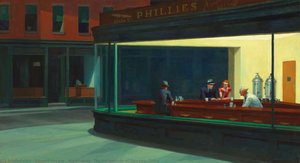
Explore the profound world of Edward Hopper's American realism. Discover the symbolism, themes & enduring legacy of this iconic artist – from 'Nighthawks' to his lesser-known masterpieces. Expert analysis and insights.

اكتشف 10 روائع فنية رسمت الواقعية المعاصرة! استكشف قصص الفنانين، تقنياتهم، وأعمالهم الخالدة. من لوحات زيتية نابضة بالحياة إلى أسلوب الرسم الواقعي المذهل. #Most-Famous-Paintings: وجهتك للتحف الفنية و ديكور منتقى بعناية. تصفح المجموعة الآن!

Explore the world of Grant Wood & American Regionalism with Most-Famous-Paintings. Discover the symbolism behind 'American Gothic', recurring themes, and the movement's lasting impact on art history. High-quality reproductions available.


ابقَ على اطلاع بأحدث أخبار الفن، والعروض الحصرية، وأفكار الديكور.
أخبرنا عن مشروعك، وسيقدم لك خبراؤنا الفنيون 3 اقتراحات فنية مخصصة لك.
دعنا نختار لك ٣ خيارات مخصصة تماماً - مجاناً!


 معاينة الحجم الحقيقي
 مشاركة
 مشاركة
 التفاصيل

 تحميل الملف
 قطع مشابهة
 الأشعة السينية
 عرض شرائح
 عرض المزيد







 خيار الزجاج متاح فقط للمقاسات التي تقل عن 110 سم