x

طباعة جيكلي أو كانفاس بجودة المتاحف، مع سرعة في التنفيذ وخيارات متنوعة للتشطيب. ( اشترِ لوحة مرسومة يدويًا اشترِ الصورة)





























اختر من بين أحجامنا المُعدّة مسبقًا والتي تتطابق مع النسب الأصلية للعمل الفني.

يمكنك إدخال أبعادك الخاصة لتناسب إطاراً أو مساحة معينة. وإذا لم يتطابق الحجم الذي اخترته مع نسب الصورة الأصلية، فسنقوم إما بقص العمل الفني أو تمديد الصورة باستخدام حافة معكوسة أو بلون مصمت. سيتم إرسال نموذج تجريبي رقمي لاعتمادك قبل بدء الإنتاج.
يرجى ملاحظة أن المعاينة على الشاشة لا تعكس عملية القص أو التمديد الفعلية؛ حيث سيوضح النموذج التجريبي فقط التكوين النهائي بدقة.
وعلى الرغم من توفر أحجام مخصصة، إلا أننا نوصي باختيار أبعاد من القائمة المحددة مسبقاً للحفاظ على النسب الأصلية.
توصيل عالمي إلى خلال أسبوعين بدلاً من المدة القياسية البالغة 4/5 أسابيع. 15 أغسطس


Epimetheus and Pandora
مقاس النسخة المطبوعة
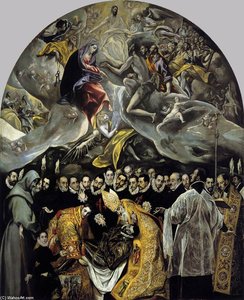
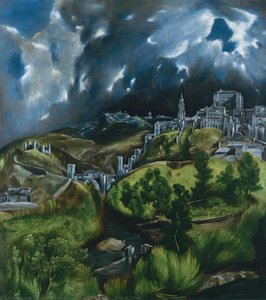
El Greco's 'Epimetheus and Pandora', completed around 1600-1610, stands as a singular achievement within the artistic landscape of Renaissance Spain. More than just a depiction of Greek mythology—the tale of Epimetheus, Prometheus’s brother, tragically opening Pandora’s Box unleashing chaos upon humanity—it embodies El Greco's distinctive style and profound engagement with spiritual themes. This monumental wood relief sculpture transcends mere representation; it pulsates with an emotional intensity that foreshadowed movements like Expressionism decades later.
El Greco, born Doménikos Theotokópoulos in Crete, possessed a remarkable ability to synthesize influences from Byzantium and Venice into something utterly his own. Trained initially in the Byzantine tradition—characterized by meticulous detail and reverence for religious iconography—he swiftly embraced experimentation, propelling him toward groundbreaking artistic innovations. His signature “Krḗs” – Cretan – served as a defiant assertion of identity amidst the cosmopolitan currents of Rome and Madrid.
The sculpture’s execution is masterful. El Greco employed polychrome wood relief, utilizing pigments meticulously applied to create luminous surfaces that capture the drama of the mythological scene. The artist's brushstrokes are expansive and expressive, conveying movement and emotion with remarkable subtlety. Unlike the polished surfaces favored by many contemporaries, El Greco prioritized textural richness—the subtle variations in color and sheen—to heighten the visual impact.
The sculpture powerfully communicates the narrative of Pandora's Box. The female figure, poised with a gesture suggesting communication or contemplation, directs her gaze toward the male statue holding a ball—a symbol representing Epimetheus’s folly. This juxtaposition underscores the central theme: humanity’s susceptibility to evil and the inescapable consequences of curiosity. El Greco skillfully captures the psychological tension inherent in this mythic confrontation.
'Epimetheus and Pandora' continues to fascinate viewers today, not merely for its adherence to classical sculptural conventions but for its ability to evoke profound contemplation about human nature. El Greco’s artistic vision—characterized by spiritual depth and emotional fervor—remains remarkably relevant, inviting us to revisit the enduring power of myth and art to illuminate our understanding of existence.


1541 - 1614 , اليونان
Explore the dramatic transition from High Renaissance harmony to Mannerist tension. Discover how masters like El Greco redefined art through distortion and spiritual intensity. An expert guide for art enthusiasts seeking deep historical context and museum-quality inspiration.

Explore the profound history of sculpture, from classical realism to modern abstraction. Discover the mastery of form, texture, and medium through an expert art-historical lens designed for discerning collectors and enthusiasts.


ابقَ على اطلاع بأحدث أخبار الفن، والعروض الحصرية، وأفكار الديكور.
أخبرنا عن مشروعك، وسيقدم لك خبراؤنا الفنيون 3 اقتراحات فنية مخصصة لك.
دعنا نختار لك ٣ خيارات مخصصة تماماً - مجاناً!


 معاينة الحجم الحقيقي
 مشاركة
 مشاركة
 التفاصيل

 تحميل الملف
 قطع مشابهة
 الأشعة السينية
 عرض شرائح

 عرض المزيد







 خيار الزجاج متاح فقط للمقاسات التي تقل عن 110 سم