x


 اطلب نسخة مرسومة يدوياً شراء الصورة بدقة عالية
 مشاركة
 التفاصيل
 أضف إلى المفضلة
 تحميل الملف
 قطع مشابهة
 الأشعة السينية
 عرض شرائح
طباعة جيكلي أو كانفاس بجودة المتاحف، مع سرعة في التنفيذ وخيارات متنوعة للتشطيب.





























اختر من بين أحجامنا المُعدّة مسبقًا والتي تتطابق مع النسب الأصلية للعمل الفني.

يمكنك إدخال أبعادك الخاصة لتناسب إطاراً أو مساحة معينة. وإذا لم يتطابق الحجم الذي اخترته مع نسب الصورة الأصلية، فسنقوم إما بقص العمل الفني أو تمديد الصورة باستخدام حافة معكوسة أو بلون مصمت. سيتم إرسال نموذج تجريبي رقمي لاعتمادك قبل بدء الإنتاج.
يرجى ملاحظة أن المعاينة على الشاشة لا تعكس عملية القص أو التمديد الفعلية؛ حيث سيوضح النموذج التجريبي فقط التكوين النهائي بدقة.
وعلى الرغم من توفر أحجام مخصصة، إلا أننا نوصي باختيار أبعاد من القائمة المحددة مسبقاً للحفاظ على النسب الأصلية.
توصيل عالمي إلى خلال أسبوعين بدلاً من المدة القياسية البالغة 4/5 أسابيع. 20 يوليو


untitled
مقاس النسخة المطبوعة
Doménikos Theotokópoulos, universally recognized as El Greco – “the Greek” – stands apart from his contemporaries not merely as an artist but as a figure whose life embodied the contradictions and passions characteristic of the Renaissance. Born in Crete in 1541, under Venetian dominion, he embarked on a transformative artistic odyssey that spanned Venice and Rome before culminating in Toledo, Spain—a city steeped in religious fervor and haunted by the specter of the Inquisition.
El Greco’s style defies easy categorization. Initially trained within the Byzantine tradition, prioritizing meticulous detail and reverence for sacred imagery, he swiftly rejected convention, forging a path toward an expressive idiom that would foreshadow movements like Expressionism and Cubism. His canvases pulsate with an inner luminescence—a hallmark of his signature technique—characterized by elongated figures rendered in luminous shades of white and gold against dark backgrounds. This dramatic juxtaposition wasn’t merely stylistic; it served as a conduit for conveying profound spiritual emotion.
The historical context surrounding El Greco’s work profoundly shaped his artistic vision. Toledo, under Habsburg rule, was a crucible of religious zealotry—a city where the Catholic Church exerted considerable influence and where heresy was met with brutal repression. This atmosphere permeated El Greco's oeuvre, informing his preoccupation with themes of faith, martyrdom, and divine revelation.
Symbolism permeates El Greco’s paintings. Recurring motifs—such as halos encircling figures representing saints—underscore the sanctity of their subjects and convey a sense of transcendence. The dark backgrounds against which these luminous figures are positioned symbolize darkness overcome by light—a visual metaphor for spiritual enlightenment.
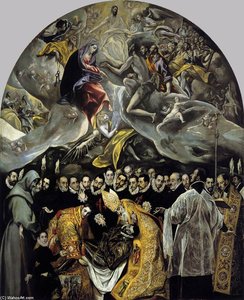
“The Burial of Columbus,” completed in 1609, exemplifies El Greco’s artistic prowess and his ability to evoke profound emotional resonance. The monumental canvas depicts Christopher Columbus's funeral procession, capturing the solemn dignity of the occasion while simultaneously conveying a palpable sense of grief and spiritual contemplation. The elongated figures, bathed in golden light, embody the universality of human suffering—a poignant reminder of mortality and an affirmation of faith’s enduring power.
El Greco’s legacy extends far beyond his artistic innovations. He remains an icon of spiritual artistry—a testament to the transformative potential of creativity when driven by conviction and fueled by emotion. His paintings continue to inspire awe and contemplation, inviting viewers to engage in a dialogue with timeless themes of faith, beauty, and human experience.

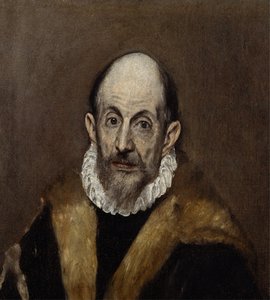
1541 - 1614 , اليونان

Explore the captivating world of El Greco! Discover his unique style, spiritual intensity, and lasting impact on art history. Learn about this Renaissance master's life, iconic paintings & legacy.

Explore the life & art of Alexander Nasmyth, a pivotal figure in Scottish Romantic landscape painting. Discover his iconic works, including portraits of Robert Burns, and learn about his lasting influence on national identity. Fine art reproductions available.

اكتشف 25 تحفة فنية لإل جريكو، رائد الفن الإسباني. استكشف قصص لوحاته الدينية والتاريخية الرائعة وأسلوبه الباروكي الفريد. احصل على نسخ عالية الجودة من أعمال إل جريكو لتزيين منزلك بأناقة وفخامة. اكتشف جميع الروائع على Most-Famous-Paintings.com

Explore the captivating world of Jan Brueghel the Elder, a Flemish Baroque master renowned for his stunning landscapes & allegorical paintings. Discover his collaborations with Rubens and lasting artistic legacy.

Discover Cornelis van Poelenburch, a pivotal Dutch Baroque landscape painter bridging Mannerism & Italianate styles. Explore his life, key works, and lasting influence on 17th-century art with Most-Famous-Paintings.


ابقَ على اطلاع بأحدث أخبار الفن، والعروض الحصرية، وأفكار الديكور.
أخبرنا عن مشروعك، وسيقدم لك خبراؤنا الفنيون 3 اقتراحات فنية مخصصة لك.
دعنا نختار لك ٣ خيارات مخصصة تماماً - مجاناً!


 مشاركة


 عرض المزيد







 خيار الزجاج متاح فقط للمقاسات التي تقل عن 110 سم


![Landscape With A Calm (un Tem[p]s Calme Et Serein) — نيكولا بوزان, Baroque](/media/artworks/images/thumbnails/d9/68/d968ff3e5b2b42448a527566ad3b4a37.jpg)