x
احصل على صورة رقمية عالية الدقة ومعزّنة، بجودة تفوق بكثير المعاينة عبر الإنترنت.
يتم إعداد كل ملف بعناية فائقة من قبل متخصصينا الداخليين باستخدام أدوات متقدمة ولمسات يدوية خبيرة. نضمن أن تتمتع كل صورة بوضوح استثنائي، ودقة لونية متناهية، وتفاصيل دقيقة.
يتم تسليم الملف النهائي عبر البريد الإلكتروني في غضون 72 ساعة، وهو مُحسَّن للاستخدام الفوري في المجالات المهنية والتحريرية ومجالات الطباعة. هذه هي ذات الجودة التي تعتمد عليها كبرى استوديوهات التصميم ودور النشر والمعارض الفنية المرموقة.
حمّل ملفاً عالي الدقة للعرض الشخصي، والطباعة، والمشاريع الإبداعية. ( اشترِ نسخة مطبوعة اشترِ لوحة مرسومة يدويًا)
عندما تختار Most-Famous-Paintings.com، فأنت لا تحصل على مجرد صورة فحسب، بل ستحصل على عمل فني رقمي مُحسّن باحترافية، صُمم بدقة متناهية ومصحوب بضمان الرضا. إليك كل ما يتضمنه طلبك تلقائياً:

ستصلك ملفات صورك الرقمية عالية الدقة عبر البريد الإلكتروني في غضون 72 ساعة من إتمام الطلب - لتكون جاهزة للاستخدام الفوري.

يتم تحسين عملك الفني باحترافية باستخدام أدوات الذكاء الاصطناعي المتقدمة والتحرير اليدوي، لضمان أقصى درجات التفاصيل والوضوح ودقة الألوان.

هل حذفت ملفك أو فقدته عن طريق الخطأ؟ لا تقلق - سنعيد إرساله إليك في أي وقت، ومجاناً.

استمتع بأعمالك الفنية فوراً دون أي رسوم جمركية أو ضرائب أو مصاريف شحن - فالتحميلات الرقمية دائماً ما تكون معفاة من الضرائب.

نحن نضمن أن تعكس صورتك الرقمية الألوان الأصلية بأقصى قدر ممكن من الدقة، وذلك باستخدام أدوات احترافية وتقنيات إدارة الألوان.

إذا لم تكن راضياً عن صورتك الرقمية، فسنقوم بتعديلها أو استرداد 100% من قيمتها خلال 60 يوماً - دون أي أسئلة.

لم تكن راضياً؟ احصل على استرداد كامل المبلغ خلال 60 يومًا من استلام ملفك الرقمي - دون أي أسئلة.

اشتري 3 صور، ووفر 10% - اشتري 5، ووفر 15% - اشتري +10، ووفر 20%. مثالية للمشاريع الإبداعية، والمعارض، والوكالات.
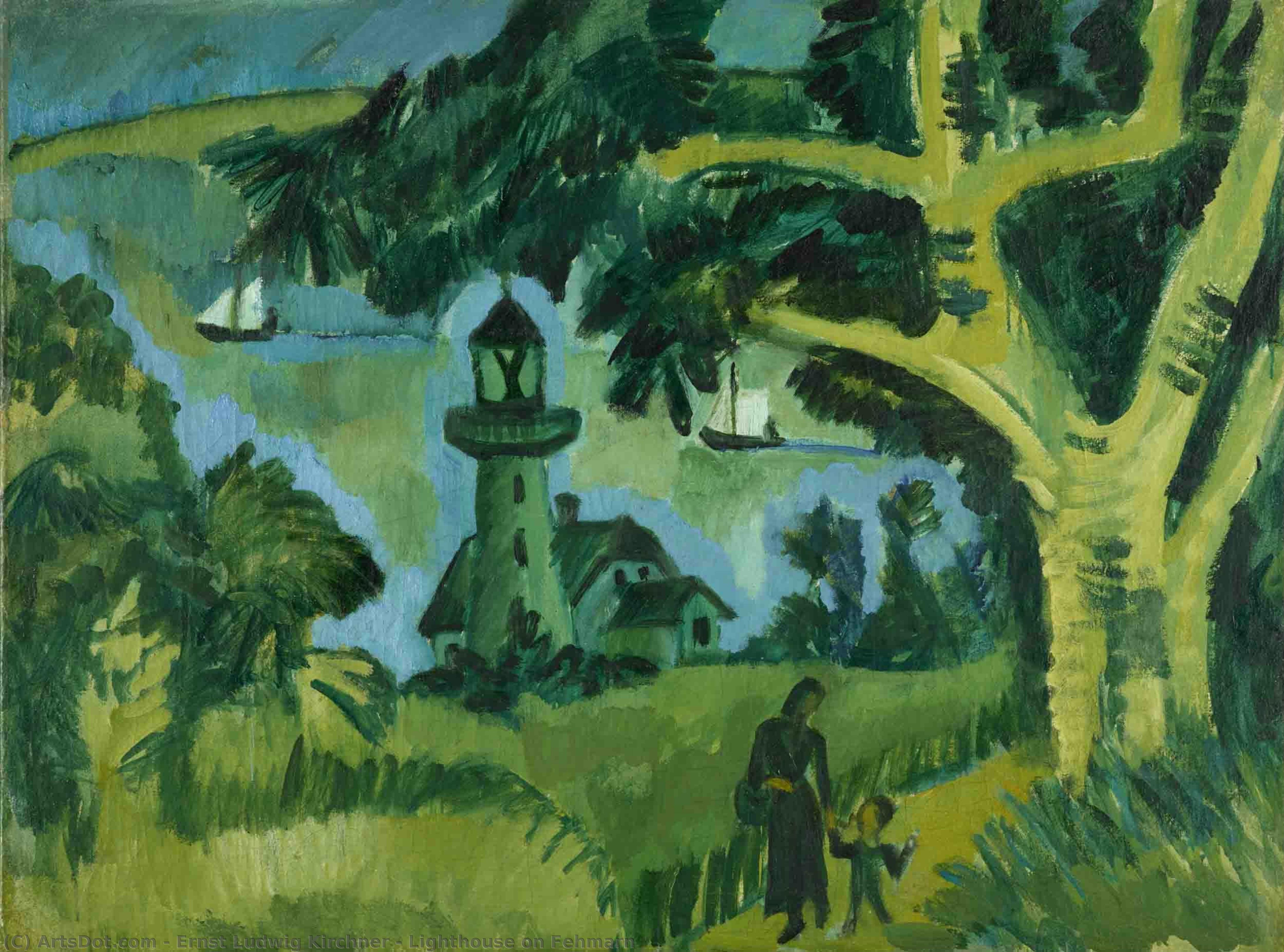
Ernst Ludwig Kirchner's "Lighthouse on Fehmarn," painted in 1912, isn’t merely a depiction of a coastal landmark; it’s a carefully constructed tableau of memory, melancholy, and the quiet yearning for stability amidst the turbulent currents of early 20th-century Germany. Kirchner, a pivotal figure within the Expressionist movement, wasn't interested in simply recording a scene; he sought to distill feeling, to translate the emotional landscape onto canvas with an intensity rarely seen before. This particular work offers a poignant glimpse into his personal journey – a retreat to the island of Fehmarn, a place that would soon become inextricably linked with both solace and the looming anxieties of a world on the brink.
The painting immediately draws the eye to the lighthouse itself, a robust sentinel rising from the rolling Baltic waters. Kirchner’s technique is deliberately rough-hewn, employing bold, visible brushstrokes that convey a sense of immediacy and unrest. The ochre and green hues of the landscape – the weathered cliffs, the dense foliage clinging to the shoreline – are applied with an almost frantic energy, suggesting both the beauty and the inherent wildness of the environment. The water, rendered in shimmering blues and greens, isn’t a serene reflection but rather a dynamic force, subtly hinting at the power beneath the surface. The arched horizon line, a key element of Kirchner's style, serves to compress the space, drawing the viewer into the scene and intensifying the feeling of being enveloped by the landscape.
Dominating the foreground is a woman, clad in dark clothing, her posture suggesting a contemplative walk. While her identity remains somewhat ambiguous – often interpreted as Kirchner’s companion, Erna Schilling – she embodies a crucial shift within the artist's life. Having recently departed from the vibrant, chaotic energy of Berlin, Kirchner sought refuge on Fehmarn, a deliberate move away from the city’s relentless pace and the emotional complexities he had experienced there. The woman’s presence isn’t one of active engagement; rather, she represents a quiet acceptance, a step towards a more subdued existence – a stark contrast to the passionate, often turbulent relationships depicted in his earlier Berlin works. Her hand outstretched, grasping that of a child, subtly evokes themes of protection and legacy, hinting at Kirchner's desire for stability and perhaps even a new beginning.
Kirchner’s use of color is profoundly symbolic. The dark clothing of the woman contrasts sharply with the brighter tones of the landscape, creating a visual tension that mirrors the emotional shift occurring within Kirchner himself. The small sailboats dotting the horizon represent fleeting moments of pleasure amidst an underlying sense of unease – a reminder of the world beyond Fehmarn, yet one he’s consciously choosing to distance himself from. The lighthouse, traditionally a symbol of guidance and safety, here takes on a slightly melancholic quality; it stands as a solitary beacon in a vast, uncertain expanse, reflecting Kirchner's own feelings of isolation and introspection. The painting is not simply about depicting a physical location but rather conveying the complex emotional state of an artist grappling with personal change.
Reproductions of “Lighthouse on Fehmarn” offer a remarkable opportunity to experience Kirchner’s evocative style firsthand. The meticulous detail captured in each brushstroke, the raw emotional intensity conveyed through color and composition – these elements are faithfully reproduced in high-quality prints, allowing art lovers and collectors alike to appreciate the depth and complexity of this iconic work. Beyond its aesthetic appeal, “Lighthouse on Fehmarn” serves as a powerful reminder of Kirchner’s artistic journey—a testament to his ability to transform personal experience into enduring works of art that continue to resonate with viewers today. It's a piece that invites contemplation, prompting us to consider the interplay between memory, emotion, and the search for meaning in a rapidly changing world.

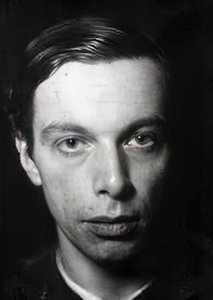
1880 - 1938 , ألمانيا


ابقَ على اطلاع بأحدث أخبار الفن، والعروض الحصرية، وأفكار الديكور.
أخبرنا عن مشروعك، وسيقدم لك خبراؤنا الفنيون 3 اقتراحات فنية مخصصة لك.
دعنا نختار لك ٣ خيارات مخصصة تماماً - مجاناً!


 معاينة الحجم الحقيقي
 مشاركة
 مشاركة
 التفاصيل

 تحميل الملف
 قطع مشابهة
 الأشعة السينية
 عرض شرائح

 عرض المزيد