x

 Oil On CanvasWallArtGerman Expressionism
 193119th Century
 200.0 x 150.0 cm
طباعة جيكلي أو كانفاس بجودة المتاحف، مع سرعة في التنفيذ وخيارات متنوعة للتشطيب. ( اشترِ لوحة مرسومة يدويًا اشترِ الصورة)





























اختر من بين أحجامنا المُعدّة مسبقًا والتي تتطابق مع النسب الأصلية للعمل الفني.

يمكنك إدخال أبعادك الخاصة لتناسب إطاراً أو مساحة معينة. وإذا لم يتطابق الحجم الذي اخترته مع نسب الصورة الأصلية، فسنقوم إما بقص العمل الفني أو تمديد الصورة باستخدام حافة معكوسة أو بلون مصمت. سيتم إرسال نموذج تجريبي رقمي لاعتمادك قبل بدء الإنتاج.
يرجى ملاحظة أن المعاينة على الشاشة لا تعكس عملية القص أو التمديد الفعلية؛ حيث سيوضح النموذج التجريبي فقط التكوين النهائي بدقة.
وعلى الرغم من توفر أحجام مخصصة، إلا أننا نوصي باختيار أبعاد من القائمة المحددة مسبقاً للحفاظ على النسب الأصلية.
توصيل عالمي إلى خلال أسبوعين بدلاً من المدة القياسية البالغة 4/5 أسابيع. 21 أغسطس


Reiterin
مقاس النسخة المطبوعة
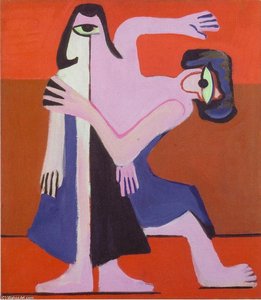
Ernst Ludwig Kirchner’s “Reiterin,” painted in 1931 and measuring an imposing 200 x 150 cm, is more than just a depiction of a woman on horseback; it's a visceral plunge into the heart of German Expressionism. Housed within the Kirchner Museum Davos, this artwork embodies the artist’s signature style – a potent blend of bold color, distorted forms, and an unflinching exploration of psychological intensity. The scene unfolds with a dramatic dynamism, capturing a fleeting moment of movement and suggesting a profound sense of isolation and perhaps even unease. Kirchner masterfully utilizes the canvas to convey not just what he sees, but how he *feels* about it – a characteristic hallmark of his artistic vision.
"Reiterin" was created during a period of significant social and political upheaval in Germany. The rise of Expressionism reflected anxieties about modernity, industrialization, and the perceived loss of traditional values. Kirchner’s work can be interpreted as a response to these concerns, portraying a world fractured by alienation and uncertainty. The woman on horseback, a recurring motif in Kirchner's oeuvre, often represents a solitary figure struggling against an overwhelming environment – a symbol of individual resistance or perhaps even despair. The setting itself, seemingly desolate and devoid of human connection, reinforces this interpretation.
“Reiterin” is not a comfortable painting; it’s deliberately unsettling. Kirchner doesn't offer easy answers or resolutions. Instead, he forces the viewer to confront uncomfortable emotions – loneliness, anxiety, and perhaps even a sense of impending doom. This raw emotional honesty is what makes the work so compelling and enduring. It stands as a testament to Kirchner’s ability to translate personal turmoil into a universally resonant artistic statement. Its influence can be seen in subsequent generations of artists who embraced Expressionism's commitment to subjective experience and its rejection of academic conventions.
None
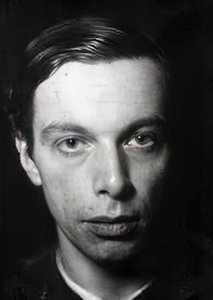
1880 - 1938 , ألمانيا

Explore the visceral power of German Expressionism. From Ernst Ludwig Kirchner to Die Brücke, discover how bold colors and distorted forms unmask raw human emotion in this expert art history guide for collectors and enthusiasts.

Explore the profound emotional depth of Expressionist portraiture. From Edvard Munch to Francis Bacon, discover how masters used distortion and color to reveal inner truths. Learn about this pivotal movement and find museum-quality oil reproductions for your collection.


ابقَ على اطلاع بأحدث أخبار الفن، والعروض الحصرية، وأفكار الديكور.
أخبرنا عن مشروعك، وسيقدم لك خبراؤنا الفنيون 3 اقتراحات فنية مخصصة لك.
دعنا نختار لك ٣ خيارات مخصصة تماماً - مجاناً!


 معاينة الحجم الحقيقي
 مشاركة
 مشاركة
 التفاصيل

 تحميل الملف
 قطع مشابهة
 الأشعة السينية
 عرض شرائح
 عرض المزيد







 خيار الزجاج متاح فقط للمقاسات التي تقل عن 110 سم