


x

احصل على صورة رقمية عالية الدقة ومعزّنة، بجودة تفوق بكثير المعاينة عبر الإنترنت.
يتم إعداد كل ملف بعناية فائقة من قبل متخصصينا الداخليين باستخدام أدوات متقدمة ولمسات يدوية خبيرة. نضمن أن تتمتع كل صورة بوضوح استثنائي، ودقة لونية متناهية، وتفاصيل دقيقة.
يتم تسليم الملف النهائي عبر البريد الإلكتروني في غضون 72 ساعة، وهو مُحسَّن للاستخدام الفوري في المجالات المهنية والتحريرية ومجالات الطباعة. هذه هي ذات الجودة التي تعتمد عليها كبرى استوديوهات التصميم ودور النشر والمعارض الفنية المرموقة.
حمّل ملفاً عالي الدقة للعرض الشخصي، والطباعة، والمشاريع الإبداعية. ( اشترِ نسخة مطبوعة اشترِ لوحة مرسومة يدويًا)
عندما تختار Most-Famous-Paintings.com، فأنت لا تحصل على مجرد صورة فحسب، بل ستحصل على عمل فني رقمي مُحسّن باحترافية، صُمم بدقة متناهية ومصحوب بضمان الرضا. إليك كل ما يتضمنه طلبك تلقائياً:

ستصلك ملفات صورك الرقمية عالية الدقة عبر البريد الإلكتروني في غضون 72 ساعة من إتمام الطلب - لتكون جاهزة للاستخدام الفوري.

يتم تحسين عملك الفني باحترافية باستخدام أدوات الذكاء الاصطناعي المتقدمة والتحرير اليدوي، لضمان أقصى درجات التفاصيل والوضوح ودقة الألوان.

هل حذفت ملفك أو فقدته عن طريق الخطأ؟ لا تقلق - سنعيد إرساله إليك في أي وقت، ومجاناً.

استمتع بأعمالك الفنية فوراً دون أي رسوم جمركية أو ضرائب أو مصاريف شحن - فالتحميلات الرقمية دائماً ما تكون معفاة من الضرائب.

نحن نضمن أن تعكس صورتك الرقمية الألوان الأصلية بأقصى قدر ممكن من الدقة، وذلك باستخدام أدوات احترافية وتقنيات إدارة الألوان.

إذا لم تكن راضياً عن صورتك الرقمية، فسنقوم بتعديلها أو استرداد 100% من قيمتها خلال 60 يوماً - دون أي أسئلة.

لم تكن راضياً؟ احصل على استرداد كامل المبلغ خلال 60 يومًا من استلام ملفك الرقمي - دون أي أسئلة.

اشتري 3 صور، ووفر 10% - اشتري 5، ووفر 15% - اشتري +10، ووفر 20%. مثالية للمشاريع الإبداعية، والمعارض، والوكالات.
Fernand Léger's "Ballet Mécanique," painted in 1924, isn’t merely a depiction of a scene; it’s a vibrant, pulsating embodiment of the machine age and its impact on human experience. This groundbreaking work, born from Léger’s fascination with industrial forms and his post-war reflections, transcends simple representation to become a dynamic exploration of rhythm, movement, and the increasingly mechanized world around us. The painting captures a fleeting moment within a larger, almost frenetic sequence – a snapshot of urban life filtered through the lens of Cubism and a burgeoning interest in technology’s influence.
The composition itself is immediately arresting. Léger abandons traditional perspective, instead presenting a series of interlocking rectangular frames, reminiscent of a filmstrip or a mechanical animation. Within these frames, we encounter a cast of figures – women engaged in everyday activities like gardening and laundry, alongside glimpses of industrial machinery and domestic objects. These elements aren’t rendered with meticulous detail; rather, they are fragmented, simplified, and abstracted into geometric shapes—cylinders, cones, and angular forms that dominate the scene. This deliberate reduction emphasizes their mechanical essence, transforming familiar subjects into stylized symbols of a rapidly changing world.
“Ballet Mécanique” is deeply rooted in Léger’s development of “Tubism,” an artistic style he pioneered alongside Robert Delaunay. Tubism sought to capture the essence of modern life through the simplification of forms into cylindrical shapes, reflecting the perceived strength and stability of machinery. This approach wasn't about replicating reality but rather distilling it down to its fundamental geometric components – a direct response to the industrial landscape that was reshaping Europe after World War I. The painting’s palette is deliberately restrained—primarily consisting of bold primary colors (red, blue, yellow) punctuated by black and white—further reinforcing the mechanical aesthetic. The lack of shading or depth contributes to the feeling of flatness and immediacy, as if we are witnessing a continuous stream of images unfolding before our eyes.
It’s crucial to understand that “Ballet Mécanique” was conceived in conjunction with a film of the same name, directed by Dudley Murphy. Léger and Murphy intended the painting to serve as a visual accompaniment to the film, capturing its dynamic rhythm and fragmented imagery. The film itself—a pioneering experiment in experimental cinema—utilized synchronized music composed by George Antheil, further amplifying the sense of mechanical precision and rhythmic intensity. The pairing of the painting and the film created a truly immersive experience, blurring the boundaries between art forms and reflecting the growing fascination with new technologies and their impact on culture.
Beyond its technical innovations, “Ballet Mécanique” carries a potent symbolic weight. The repetitive movements of the figures, the fragmented forms, and the relentless pace of the composition evoke a sense of both excitement and anxiety—a reflection of the rapid social and technological changes occurring in the 1920s. The painting isn’t simply celebrating progress; it's also hinting at the potential alienation and dehumanization that can accompany industrialization. The figures, though seemingly engaged in everyday activities, appear strangely detached and isolated within their mechanical surroundings. Despite this underlying tension, “Ballet Mécanique” ultimately offers a surprisingly optimistic vision of modernity—a celebration of dynamism, energy, and the transformative power of technology.
Today, reproductions of "Ballet Mécanique" remain highly sought after by collectors and interior designers alike. Its bold colors, dynamic composition, and iconic imagery make it a striking addition to any space. When incorporated into an interior setting, the painting’s inherent energy can invigorate a room, creating a conversation piece that speaks to both the history of modern art and the ongoing fascination with the machine age. Consider pairing it with sleek, minimalist furniture or incorporating elements of industrial design to further enhance its visual impact.

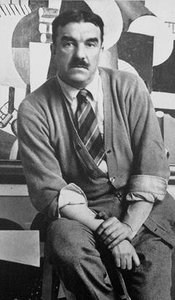
1881 - 1955 , فرنسا


ابقَ على اطلاع بأحدث أخبار الفن، والعروض الحصرية، وأفكار الديكور.
أخبرنا عن مشروعك، وسيقدم لك خبراؤنا الفنيون 3 اقتراحات فنية مخصصة لك.
دعنا نختار لك ٣ خيارات مخصصة تماماً - مجاناً!


 معاينة الحجم الحقيقي
 مشاركة
 مشاركة
 التفاصيل

 تحميل الملف
 قطع مشابهة
 الأشعة السينية
 عرض شرائح

 عرض المزيد


