x

طباعة جيكلي أو كانفاس بجودة المتاحف، مع سرعة في التنفيذ وخيارات متنوعة للتشطيب. ( اشترِ لوحة مرسومة يدويًا اشترِ الصورة)





























اختر من بين أحجامنا المُعدّة مسبقًا والتي تتطابق مع النسب الأصلية للعمل الفني.

يمكنك إدخال أبعادك الخاصة لتناسب إطاراً أو مساحة معينة. وإذا لم يتطابق الحجم الذي اخترته مع نسب الصورة الأصلية، فسنقوم إما بقص العمل الفني أو تمديد الصورة باستخدام حافة معكوسة أو بلون مصمت. سيتم إرسال نموذج تجريبي رقمي لاعتمادك قبل بدء الإنتاج.
يرجى ملاحظة أن المعاينة على الشاشة لا تعكس عملية القص أو التمديد الفعلية؛ حيث سيوضح النموذج التجريبي فقط التكوين النهائي بدقة.
وعلى الرغم من توفر أحجام مخصصة، إلا أننا نوصي باختيار أبعاد من القائمة المحددة مسبقاً للحفاظ على النسب الأصلية.
توصيل عالمي إلى خلال أسبوعين بدلاً من المدة القياسية البالغة 4/5 أسابيع. 23 أغسطس


Landscape2
مقاس النسخة المطبوعة
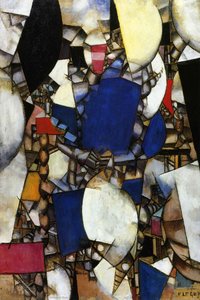
To encounter Fernand Léger’s 1913 masterpiece, Landscape, is to witness the precise moment where the pastoral past collided with the industrial future. This work serves as a profound cornerstone of Cubist aesthetics, capturing a world in transition. While the canvas draws its soul from the rolling greenery of rural Normandy—the artist's own formative landscape—it refuses to remain anchored in mere nostalgia. Instead, Léger orchestrates a deliberate reconciliation between the raw, organic beauty of nature and the burgeoning, rhythmic power of the machine age. It is a visual dialogue that speaks to the tension and the eventual harmony found between the earth and the engine.
The painting’s technique is a masterclass in the Cubist language of fragmentation and reconstruction. Rather than offering a window into a realistic scene, Léger utilizes flattened planes and multiple perspectives to deconstruct familiar elements like trees, buildings, and tracks into a dynamic arrangement of geometric forms. His brushwork possesses a tactile, muscular quality; thick impasto strokes lend a physical weight to the pigment, emphasizing the materiality of the paint itself. This approach does not merely depict a scene but engineers a visual experience, where the movement of a train on its tracks is felt through the very rhythm of the composition.
Beyond its striking geometry, Landscape is rich with the symbolic weight of the early twentieth century. Painted during the height of the Belle Époque, the work anticipates the frenetic energy of Futurism and the bold clarity of Pop Art. The inclusion of architectural structures alongside natural elements is far from decorative; it represents Léger’s deep-seated belief in the coexistence of civilization and the wilderness. Within this fractured landscape, a prominent clock emerges as a poignant symbol, acting as a silent sentinel reminding the viewer of time's relentless, mechanical march against the enduring stillness of the trees.
For the discerning collector or interior designer, this piece offers more than just aesthetic appeal; it provides a focal point of intellectual and emotional depth. The painting’s ability to blend the man-made—such as the sleek, moving train and structured buildings—with the organic creates an atmosphere of "mechanized harmony." It is a work that commands attention in any modern space, inviting contemplation on how technology reshapes our perception of the natural world. Whether viewed as a tribute to industrial progress or a study in structural beauty, Léger’s vision remains a vibrant, high-voltage celebration of modern life that continues to inspire awe and curiosity.

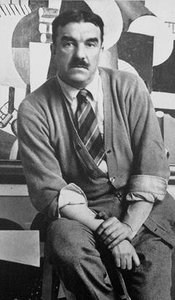
1881 - 1955 , فرنسا

Explore the sharp geometry and industrial soul of Precisionism. Discover how American Modernists like Charles Sheeler captured the Machine Age through Cubist-inspired landscapes and architectural precision in this definitive art history guide.

Explore the revolutionary world of Cubism. Discover how Pablo Picasso and Georges Braque dismantled perspective to redefine modern art through geometric innovation and analytical mastery. An essential guide for art students, collectors, and history enthusiasts.


ابقَ على اطلاع بأحدث أخبار الفن، والعروض الحصرية، وأفكار الديكور.
أخبرنا عن مشروعك، وسيقدم لك خبراؤنا الفنيون 3 اقتراحات فنية مخصصة لك.
دعنا نختار لك ٣ خيارات مخصصة تماماً - مجاناً!


 معاينة الحجم الحقيقي
 مشاركة
 مشاركة
 التفاصيل

 تحميل الملف
 قطع مشابهة
 الأشعة السينية
 عرض شرائح

 عرض المزيد







 خيار الزجاج متاح فقط للمقاسات التي تقل عن 110 سم