


x

لوحة زيتية مرسومة يدوياً على الكانفاس بالمقاس والإطار الذي تفضله، تُنفذ حسب الطلب على أيدي فنانينا. ( اشترِ نسخة مطبوعة اشترِ الصورة)





























اختر من بين أحجامنا المُعدّة مسبقًا والتي تتطابق مع النسب الأصلية للعمل الفني.

يمكنك إدخال أبعادك الخاصة لتناسب إطارًا معينًا أو مساحة محددة. وإذا لم يتطابق الحجم الذي اخترته مع نسب الصورة الأصلية، فسنقوم إما بقص العمل الفني أو توسيع اللوحة بإضافة عناصر مرسومة يدويًا. سيتم إرسال نموذج رقمي إليك للموافقة عليه قبل بدء الإنتاج.
يرجى ملاحظة أن المعاينة على الشاشة لا تعكس عملية القص أو التوسيع الفعلية؛ حيث إن النموذج الرقمي وحده هو الذي سيوضح التكوين النهائي بدقة.
وعلى الرغم من توفر أحجام مخصصة، إلا أننا نوصي باختيار أبعاد من القائمة المحددة مسبقًا للحفاظ على النسب الأصلية للعمل الفني.
توصيل عالمي إلى خلال 3 إلى 4 أسابيع بدلاً من المدة المعتادة البالغة 5 أسابيع. (15 أغسطس). جودة لا تهاون فيها.


The Big Parade
مقاس النسخة المطبوعة
Fernand Léger's 1954 painting, "The Big Parade," is more than just a depiction of a group gathering; it’s a vibrant manifesto of the modern age. Captured with bold colors and dynamic lines in a distinctive Cubist style, the artwork pulsates with an energy that reflects Léger’s fascination with industrialization and its impact on human experience. The scene unfolds with at least thirteen figures arranged in a lively tableau, some clustered closely together, others dispersed across the canvas, creating a sense of controlled chaos – a visual representation of urban life in the mid-20th century.
Born Joseph Fernand Henri Léger in 1881 in Argentan, Normandy, Léger’s artistic journey was profoundly shaped by his upbringing amidst the rural landscapes of France. This early exposure to physical labor – particularly farming – provided a crucial counterpoint to his later fascination with machines and industrial forms. He initially studied architecture but quickly transitioned to painting, driven by a desire to translate the visual language of the machine age onto canvas. Léger wasn't simply depicting machinery; he was attempting to capture its essence—its power, its geometry, and its transformative influence on human society.
Léger’s work reflects a broader cultural shift occurring in Europe during the early 20th century. The rise of industrialization, urbanization, and technological advancements were fundamentally altering people's lives, and Léger sought to visually represent these changes through his distinctive artistic style. His paintings are often described as “machine-made,” reflecting his belief that art should reflect the realities of modern life.
"The Big Parade" resonates with a powerful emotional impact, conveying a sense of both excitement and unease. The fragmented figures suggest a loss of individual identity within the mass society, while their collective presence hints at a shared experience—a feeling of belonging or perhaps even alienation. Léger’s bold use of color and dynamic composition creates a visually stimulating experience that invites viewers to contemplate the complexities of modern life.
The painting's enduring appeal lies in its ability to capture a pivotal moment in human history – the transition from rural traditions to an increasingly mechanized world. It is a testament to Léger’s artistic vision and his willingness to embrace the challenges and opportunities presented by modernity, making "The Big Parade" a significant work within the canon of 20th-century art.

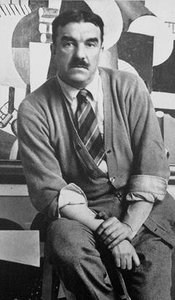
1881 - 1955 , فرنسا

Elevate your design projects with Most-Famous-Paintings's premium canvas prints and hand-painted reproductions. Discover affordable, museum-quality wall decor delivered worldwide, offering freelance decorators professional excellence, archival durability, and bespoke customization for every space.


ابقَ على اطلاع بأحدث أخبار الفن، والعروض الحصرية، وأفكار الديكور.
أخبرنا عن مشروعك، وسيقدم لك خبراؤنا الفنيون 3 اقتراحات فنية مخصصة لك.
دعنا نختار لك ٣ خيارات مخصصة تماماً - مجاناً!


 معاينة الحجم الحقيقي
 مشاركة
 مشاركة
 التفاصيل

 تحميل الملف
 قطع مشابهة
 الأشعة السينية
 عرض شرائح

 عرض المزيد







 خيار الزجاج متاح فقط للمقاسات التي تقل عن 110 سم


