


x

لوحة زيتية مرسومة يدوياً على الكانفاس بالمقاس والإطار الذي تفضله، تُنفذ حسب الطلب على أيدي فنانينا. ( التحويل للنسخة المطبوعة التبديل إلى الصورة)





























اختر من بين أحجامنا المُعدّة مسبقًا والتي تتطابق مع النسب الأصلية للعمل الفني.

يمكنك إدخال أبعادك الخاصة لتناسب إطارًا معينًا أو مساحة محددة. وإذا لم يتطابق الحجم الذي اخترته مع نسب الصورة الأصلية، فسنقوم إما بقص العمل الفني أو توسيع اللوحة بإضافة عناصر مرسومة يدويًا. سيتم إرسال نموذج رقمي إليك للموافقة عليه قبل بدء الإنتاج.
يرجى ملاحظة أن المعاينة على الشاشة لا تعكس عملية القص أو التوسيع الفعلية؛ حيث إن النموذج الرقمي وحده هو الذي سيوضح التكوين النهائي بدقة.
وعلى الرغم من توفر أحجام مخصصة، إلا أننا نوصي باختيار أبعاد من القائمة المحددة مسبقًا للحفاظ على النسب الأصلية للعمل الفني.
توصيل عالمي إلى خلال 3 إلى 4 أسابيع بدلاً من المدة المعتادة البالغة 5 أسابيع. (9 أغسطس). جودة لا تهاون فيها.


untitled (4263)
مقاس النسخة المطبوعة
Fernand Léger's *Untitled (4263)* presents a compelling and somewhat enigmatic vision of the early 20th century, firmly rooted in the burgeoning aesthetic of Cubism. Executed by one of the movement’s most prominent figures, this artwork captures a scene brimming with dynamic energy and a fascination with the mechanical forms that were rapidly reshaping European society. The composition immediately draws the eye to two women – starkly rendered in Léger's signature palette of earthy tones punctuated by vibrant blues and reds – positioned centrally within the frame. Their posture, coupled with their grip on what appear to be poles or sticks integrated into their bodies, suggests a deliberate engagement with the industrial landscape, perhaps as figures representing labor or even embodying the spirit of the machine itself.
Léger’s artistic trajectory was profoundly influenced by his upbringing in rural Normandy. This experience, juxtaposed with his immersion in the vibrant, rapidly changing world of Paris, fueled a unique approach to Cubism. Unlike some of his contemporaries who sought purely abstract forms, Léger remained deeply connected to observable reality, meticulously dissecting and reassembling subjects – in this case, human figures – into fragmented geometric shapes. This technique, known as Tubism (a term Léger himself coined), aimed to capture the essence of industrial objects and their impact on the human form. The repetition of angular forms, the flattened perspective, and the deliberate distortion of space all contribute to a sense of dynamism and movement, reflecting the relentless pace of modernization.
The inclusion of multiple figures surrounding the central pair adds another layer of complexity to the artwork’s interpretation. These secondary characters, partially obscured and rendered with varying degrees of detail, could represent a broader social commentary on the impact of industrialization – perhaps depicting workers, onlookers, or even the very structures that shaped their lives. The presence of a chair near the left edge subtly reinforces this theme, suggesting a moment of rest or contemplation within a world defined by constant motion. The overall composition feels deliberately theatrical, hinting at an advertisement or promotional material, further emphasizing the artwork’s engagement with contemporary visual culture.
*Untitled (4263)* exemplifies Léger's mastery of oil paint, utilizing thick impasto to build up texture and create a palpable sense of volume despite the fragmented forms. His bold use of color – particularly the contrasting blues and reds – adds to the artwork’s visual impact and reinforces its expressive qualities. As a pivotal figure in modern art, Léger's work continues to resonate with viewers today, offering a powerful meditation on the relationship between humanity and technology, and demonstrating the enduring appeal of Cubism’s innovative approach to representation. This reproduction offers an exceptional opportunity to own a piece of this significant artistic legacy.
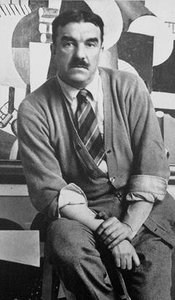
1881 - 1955 , فرنسا

Explore Orphism, the vibrant abstract art movement pioneered by Robert & Sonia Delaunay. Discover its unique color theory, lasting influence on modern art, and how to bring this 'symphony of color' into your home with Most-Famous-Paintings.
اكتشف روائع التكعيبية! استكشف 10 أعمال فنية خالدة لبيكاسو، برات وغيرهم. تعرف على تاريخ الفن، أساليبه وألوانه الجريئة. Most-Famous-Paintings: وجهتك للوحات زيتية عالية الجودة وديكور منزلي فريد. تسوق الآن!

Explore 10 Cubist masterpieces by Picasso, Braque & more! Discover the stories behind these revolutionary paintings and their impact on modern art. Find museum-quality reproductions for your home at Most-Famous-Paintings.com – where art comes to life.

Explore the art of transforming spaces with our comprehensive guide to wall decor. From historical movements to contemporary trends, discover how to curate impactful interiors and commission bespoke artwork for a truly personalized aesthetic.

Explore 10 revolutionary Cubist portraits by Picasso, Braque & more! Discover the stories behind these iconic paintings and how they shaped modern art. Find museum-quality reproductions to elevate your home decor on Most-Famous-Paintings.com.


ابقَ على اطلاع بأحدث أخبار الفن، والعروض الحصرية، وأفكار الديكور.
أخبرنا عن مشروعك، وسيقدم لك خبراؤنا الفنيون 3 اقتراحات فنية مخصصة لك.
دعنا نختار لك ٣ خيارات مخصصة تماماً - مجاناً!


 معاينة الحجم الحقيقي
 مشاركة
 مشاركة
 التفاصيل

 تحميل الملف
 قطع مشابهة
 الأشعة السينية
 عرض شرائح

 عرض المزيد







 خيار الزجاج متاح فقط للمقاسات التي تقل عن 110 سم


