


x

لوحة زيتية مرسومة يدوياً على الكانفاس بالمقاس والإطار الذي تفضله، تُنفذ حسب الطلب على أيدي فنانينا. ( اشترِ نسخة مطبوعة اشترِ الصورة)





























اختر من بين أحجامنا المُعدّة مسبقًا والتي تتطابق مع النسب الأصلية للعمل الفني.

يمكنك إدخال أبعادك الخاصة لتناسب إطارًا معينًا أو مساحة محددة. وإذا لم يتطابق الحجم الذي اخترته مع نسب الصورة الأصلية، فسنقوم إما بقص العمل الفني أو توسيع اللوحة بإضافة عناصر مرسومة يدويًا. سيتم إرسال نموذج رقمي إليك للموافقة عليه قبل بدء الإنتاج.
يرجى ملاحظة أن المعاينة على الشاشة لا تعكس عملية القص أو التوسيع الفعلية؛ حيث إن النموذج الرقمي وحده هو الذي سيوضح التكوين النهائي بدقة.
وعلى الرغم من توفر أحجام مخصصة، إلا أننا نوصي باختيار أبعاد من القائمة المحددة مسبقًا للحفاظ على النسب الأصلية للعمل الفني.
توصيل عالمي إلى خلال 3 إلى 4 أسابيع بدلاً من المدة المعتادة البالغة 5 أسابيع. (21 أغسطس). جودة لا تهاون فيها.


headiii
مقاس النسخة المطبوعة
In the somber landscape of post-war British art, few images command as much psychological gravity as Francis Bacon’s "Head II." Created in 1948, this masterpiece serves as a haunting window into the fractured psyche of a world reeling from global conflict. The painting is far more than a mere portrait; it is an exploration of the raw, unvarnably human condition, capturing the profound sense of existential angst that defined the mid-20th century. Through a fragmented and distorted visage, Bacon invites the viewer to confront the inescapable reality of mortality and the turbulent emotions that lie beneath the surface of our composed exteriors.
The subject matter of this work is deeply rooted in personal history, as Bacon meticulously crafted the portrait from photographs of Jessie Lightfoot, his beloved nanny who had passed away tragically young. This connection to loss imbues the piece with an inherent vulnerability. The head is presented in a profile that feels both intimate and confrontational, forcing an encounter with a gaze that seems to pierce through the veil of the canvas. It is a moment frozen in time—a study of a soul caught in the throes of intense psychological struggle.
Bacon’s stylistic approach, often categorized as “nightmarish realism,” rejects the comforts of idealized beauty in favor of a more profound, unsettling truth. Drawing subtle inspiration from the Cubist explorations of Picasso, Bacon deconstructs the human form to expose hidden anxieties. The technique employed here is nothing short of extraordinary; by layering thick, viscous oil paint with tempera on hardboard, he achieves an almost sculptural quality. This deliberate use of texture creates a physical presence that mirrors the painting's emotional weight.
The artist’s hand is visible in every aggressive impasto stroke, where ridges of pigment rise from the surface to create a sense of chaotic movement and disintegration. Yet, amidst this perceived turbulence, there is a paradoxical sense of control. The thin washes of color provide a depth that allows the darker, more dramatic elements to emerge with striking clarity. For collectors and interior designers, this interplay of light and shadow offers a sophisticated focal point, capable of anchoring a room with its intense, brooding energy and commanding presence.
Every element of "Head II" contributes to its larger symbolic narrative of fragmentation. The dark, void-like background serves to isolate the subject, stripping away all worldly context and leaving only the raw essence of the individual. This isolation emphasizes the theme of loneliness and the solitary nature of human suffering. The distorted features—the way the face seems to melt or shift—act as metaphors for the instability of identity in a post-war era where old certainitudes had been irrevocably shattered.
For those seeking to incorporate a piece of art history into their personal spaces, a high-quality reproduction of this work offers more than just decoration; it offers an intellectual and emotional dialogue. The painting’s ability to evoke complex emotions—from discomfort to profound empathy—makes it a captivating addition to any curated collection. It stands as a testament to the power of art to transform pain into something enduring, beautiful, and undeniably vital.

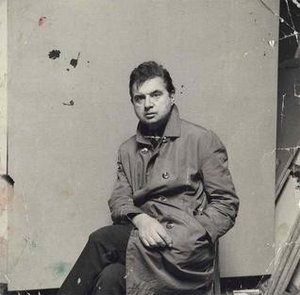
1909 - 1992 , أيرلندا

Explore the profound history of Surrealist Expressionism. Discover how artists blended dream logic with raw emotion to navigate post-war trauma through masterful, evocative imagery and psychological depth.

Explore the profound history of sculpture, from classical realism to modern abstraction. Discover the mastery of form, texture, and medium through an expert art-historical lens designed for discerning collectors and enthusiasts.


ابقَ على اطلاع بأحدث أخبار الفن، والعروض الحصرية، وأفكار الديكور.
أخبرنا عن مشروعك، وسيقدم لك خبراؤنا الفنيون 3 اقتراحات فنية مخصصة لك.
دعنا نختار لك ٣ خيارات مخصصة تماماً - مجاناً!


 معاينة الحجم الحقيقي
 مشاركة
 مشاركة
 التفاصيل

 تحميل الملف
 قطع مشابهة
 الأشعة السينية
 عرض شرائح

 عرض المزيد







 خيار الزجاج متاح فقط للمقاسات التي تقل عن 110 سم


