


x

 Oil On CanvasWallArtExpressionism
 1973Modern
 198.0 x 148.0 cm
احصل على صورة رقمية عالية الدقة ومعزّنة، بجودة تفوق بكثير المعاينة عبر الإنترنت.
يتم إعداد كل ملف بعناية فائقة من قبل متخصصينا الداخليين باستخدام أدوات متقدمة ولمسات يدوية خبيرة. نضمن أن تتمتع كل صورة بوضوح استثنائي، ودقة لونية متناهية، وتفاصيل دقيقة.
يتم تسليم الملف النهائي عبر البريد الإلكتروني في غضون 72 ساعة، وهو مُحسَّن للاستخدام الفوري في المجالات المهنية والتحريرية ومجالات الطباعة. هذه هي ذات الجودة التي تعتمد عليها كبرى استوديوهات التصميم ودور النشر والمعارض الفنية المرموقة.
حمّل ملفاً عالي الدقة للعرض الشخصي، والطباعة، والمشاريع الإبداعية. ( اشترِ نسخة مطبوعة اشترِ لوحة مرسومة يدويًا)
عندما تختار Most-Famous-Paintings.com، فأنت لا تحصل على مجرد صورة فحسب، بل ستحصل على عمل فني رقمي مُحسّن باحترافية، صُمم بدقة متناهية ومصحوب بضمان الرضا. إليك كل ما يتضمنه طلبك تلقائياً:

ستصلك ملفات صورك الرقمية عالية الدقة عبر البريد الإلكتروني في غضون 72 ساعة من إتمام الطلب - لتكون جاهزة للاستخدام الفوري.

يتم تحسين عملك الفني باحترافية باستخدام أدوات الذكاء الاصطناعي المتقدمة والتحرير اليدوي، لضمان أقصى درجات التفاصيل والوضوح ودقة الألوان.

هل حذفت ملفك أو فقدته عن طريق الخطأ؟ لا تقلق - سنعيد إرساله إليك في أي وقت، ومجاناً.

استمتع بأعمالك الفنية فوراً دون أي رسوم جمركية أو ضرائب أو مصاريف شحن - فالتحميلات الرقمية دائماً ما تكون معفاة من الضرائب.

نحن نضمن أن تعكس صورتك الرقمية الألوان الأصلية بأقصى قدر ممكن من الدقة، وذلك باستخدام أدوات احترافية وتقنيات إدارة الألوان.

إذا لم تكن راضياً عن صورتك الرقمية، فسنقوم بتعديلها أو استرداد 100% من قيمتها خلال 60 يوماً - دون أي أسئلة.

لم تكن راضياً؟ احصل على استرداد كامل المبلغ خلال 60 يومًا من استلام ملفك الرقمي - دون أي أسئلة.

اشتري 3 صور، ووفر 10% - اشتري 5، ووفر 15% - اشتري +10، ووفر 20%. مثالية للمشاريع الإبداعية، والمعارض، والوكالات.
To encounter Francis Bacon’s Self-Portrait, painted in 1973, is to step into a profound confrontation with the self. This is not a mere likeness, but a haunting testament to the artist’s lifelong preoccupation with psychological torment and the fragmented nature of identity. Created during a period of intense personal upheaval—marked by the shadows of a difficult divorce and the heavy weight of recurring depression—the painting transcends traditional portraiture. It delves into the very core of human experience, presenting a figure that embodies both extreme vulnerability and a quiet, stubborn defiance. The subject, captured in a moment of deep introspection, sits before a sink with his head resting heavily upon a table, a posture that suggests an exhaustion far deeper than mere physical fatigue.
The atmosphere of the work is one of heavy, quiet reflection, where the boundaries between the internal mind and the external world begin to blur. Through the presence of everyday objects—a clock hanging on the wall, the formal touch of a necktie, and the stark geometry of chairs—Bacon grounds this existential crisis in a tangible, domestic reality. This juxtaposition of the mundane with the deeply unsettling creates a tension that is characteristic of his most powerful works, making it an irresistible piece for collectors who seek art that provative, intellectual, and emotionally resonant.
Bacon’s mastery lies in his rejection of academic perfection in favor of visceral honesty. As a cornerstone of the Expressionist movement, he eschewed meticulous detail to prioritize raw, unadulterated emotion. His technique is a sophisticated dance of textures; he employed a distinctive layering process, applying thin, translucent washes of paint that are suddenly interrupted by thick, aggressive impasto strokes. These heavier applications are strategically placed around the eyes and mouth, creating a pulsating, energetic surface that mimics the flickering instability of human thought. This method allows the canvas to breathe with a palpable physicality, as if the paint itself is struggling to contain the subject's inner turmoil.
The historical context of this piece adds a layer of profound cultural significance. Painted in the wake of the mid-20th century’s global anxieties, the work reflects a broader societal struggle with identity and trauma. Drawing inspiration from the distorted realities of Surrealism and the deep explorations of psychoanalytic theory, Bacon uses the canvas to map the subconscious. For the interior designer or art enthusiast, this painting offers more than just visual interest; it provides a window into the post-war condition, making it a sophisticated centerpiece for any collection focused on modern history and the evolution of human psychology.
Every element within the frame serves a symbolic purpose, contributing to the painting's overwhelming emotional impact. The artist’s gaze is deliberately unsettling, conveying a sense of detachment that forces the viewer into an uncomfortable intimacy with the subject. While the slumped posture may initially suggest despair, there is an underlying resilience in the way the figure occupies the space—a refusal to succumb entirely to the darkness. The prominent, striking eyes act as anchors of awareness, confronting the observer with an unflinching portrayal of inner suffering and the inescapable solitude of existence.
For those looking to integrate a high-quality reproduction into a curated space, this artwork offers a unique opportunity to introduce depth and narrative complexity. It is a piece that demands attention and lingers in the mind long after one has looked away. Whether placed in a quiet study or a bold contemporary gallery, Bacon’s Self-Portrait serves as a powerful reminder of our shared capacity for both fragility and strength, making it an enduring icon of 20th-century art.

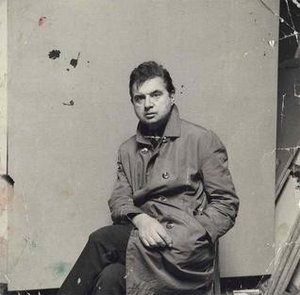
1909 - 1992 , أيرلندا


ابقَ على اطلاع بأحدث أخبار الفن، والعروض الحصرية، وأفكار الديكور.
أخبرنا عن مشروعك، وسيقدم لك خبراؤنا الفنيون 3 اقتراحات فنية مخصصة لك.
دعنا نختار لك ٣ خيارات مخصصة تماماً - مجاناً!


 معاينة الحجم الحقيقي
 مشاركة
 مشاركة
 التفاصيل

 تحميل الملف
 قطع مشابهة
 الأشعة السينية
 عرض شرائح
 عرض المزيد


