


x

 Acrylic On CanvasWallArtCubism
 1912Modern
 44.0 x 38.0 cm
طباعة جيكلي أو كانفاس بجودة المتاحف، مع سرعة في التنفيذ وخيارات متنوعة للتشطيب. ( اشترِ لوحة مرسومة يدويًا اشترِ الصورة)





























اختر من بين أحجامنا المُعدّة مسبقًا والتي تتطابق مع النسب الأصلية للعمل الفني.

يمكنك إدخال أبعادك الخاصة لتناسب إطاراً أو مساحة معينة. وإذا لم يتطابق الحجم الذي اخترته مع نسب الصورة الأصلية، فسنقوم إما بقص العمل الفني أو تمديد الصورة باستخدام حافة معكوسة أو بلون مصمت. سيتم إرسال نموذج تجريبي رقمي لاعتمادك قبل بدء الإنتاج.
يرجى ملاحظة أن المعاينة على الشاشة لا تعكس عملية القص أو التمديد الفعلية؛ حيث سيوضح النموذج التجريبي فقط التكوين النهائي بدقة.
وعلى الرغم من توفر أحجام مخصصة، إلا أننا نوصي باختيار أبعاد من القائمة المحددة مسبقاً للحفاظ على النسب الأصلية.
توصيل عالمي إلى خلال أسبوعين بدلاً من المدة القياسية البالغة 4/5 أسابيع. 20 أغسطس


Two Horses, Red and Blue
مقاس النسخة المطبوعة
Franz Marc’s ‘Two Horses, Red and Blue’, painted in 1912 during the zenith of German Expressionism, transcends mere visual representation; it embodies a profound exploration of primal emotion and spiritual contemplation. This artwork stands as a cornerstone of Der Blaue Reiter’s artistic vision—a movement dedicated to capturing the essence of nature through intensely pigmented hues and abstracted forms—and continues to resonate with audiences today.
Marc, alongside Wassily Kandinsky and Gabriele Münter, spearheaded Der Blaue Reiter’s quest for artistic authenticity. Rejecting academic conventions, they sought to express inner feelings directly onto the canvas, prioritizing intuition over meticulous observation. ‘Two Horses, Red and Blue’ exemplifies this ethos perfectly—the figures are rendered in a Cubist style, albeit one infused with Expressionist fervor. Instead of striving for realistic depiction, Marc fragmented the horses into geometric planes, layering shapes that overlap and intersect to create a dynamic visual rhythm.
The painting’s color palette is deliberately arresting—dominantly crimson red and sapphire blue. These hues weren't chosen arbitrarily; Marc imbued them with symbolic significance, reflecting his belief that colors possessed inherent spiritual qualities. Red traditionally represents masculinity, passion, and vitality – mirroring the strength and energy of the horses themselves. Simultaneously, blue symbolizes femininity, serenity, and contemplation, subtly hinting at the moon and star backdrop— celestial bodies associated with feminine intuition and divine grace.
The arrangement of elements contributes significantly to the artwork's emotive impact. The two horses are positioned centrally against a luminous expanse of blue, creating a visual anchor that draws the eye inward. Above them floats a crescent moon and a solitary star—symbols of illumination and transcendence—further emphasizing the painting’s spiritual dimension. A human figure stands on the right side of the canvas, seemingly observing the horses with quiet reverence. This juxtaposition underscores Marc's fascination with the relationship between humankind and the natural world, portraying it as one of harmonious interdependence.
'Two Horses, Red and Blue' owes considerable debt to Fauvist experimentation—particularly in its bold use of color—and Cubist principles concerning geometric abstraction. Marc’s stylistic evolution mirrored the broader trajectory of Expressionism itself, moving from landscapes imbued with lyrical emotion to increasingly stylized representations of animal subjects. Franz Marc Museum in Kochel am See showcases this masterpiece and celebrates Marc's enduring contribution to artistic innovation. Its legacy continues to inspire artists striving for genuine emotional expression and visual poetry.

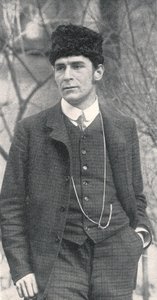
1880 - 1916 , ألمانيا

Explore the revolutionary world of Cubism. Discover how masters Pablo Picasso and Georges Braque dismantled reality through geometric abstraction to redefine modern art history.


ابقَ على اطلاع بأحدث أخبار الفن، والعروض الحصرية، وأفكار الديكور.
أخبرنا عن مشروعك، وسيقدم لك خبراؤنا الفنيون 3 اقتراحات فنية مخصصة لك.
دعنا نختار لك ٣ خيارات مخصصة تماماً - مجاناً!


 معاينة الحجم الحقيقي
 مشاركة
 مشاركة
 التفاصيل

 تحميل الملف
 قطع مشابهة
 الأشعة السينية
 عرض شرائح
 عرض المزيد







 خيار الزجاج متاح فقط للمقاسات التي تقل عن 110 سم


