


x

لوحة زيتية مرسومة يدوياً على الكانفاس بالمقاس والإطار الذي تفضله، تُنفذ حسب الطلب على أيدي فنانينا. ( التحويل للنسخة المطبوعة التبديل إلى الصورة)





























اختر من بين أحجامنا المُعدّة مسبقًا والتي تتطابق مع النسب الأصلية للعمل الفني.

يمكنك إدخال أبعادك الخاصة لتناسب إطارًا معينًا أو مساحة محددة. وإذا لم يتطابق الحجم الذي اخترته مع نسب الصورة الأصلية، فسنقوم إما بقص العمل الفني أو توسيع اللوحة بإضافة عناصر مرسومة يدويًا. سيتم إرسال نموذج رقمي إليك للموافقة عليه قبل بدء الإنتاج.
يرجى ملاحظة أن المعاينة على الشاشة لا تعكس عملية القص أو التوسيع الفعلية؛ حيث إن النموذج الرقمي وحده هو الذي سيوضح التكوين النهائي بدقة.
وعلى الرغم من توفر أحجام مخصصة، إلا أننا نوصي باختيار أبعاد من القائمة المحددة مسبقًا للحفاظ على النسب الأصلية للعمل الفني.
توصيل عالمي إلى خلال 3 إلى 4 أسابيع بدلاً من المدة المعتادة البالغة 5 أسابيع. (7 أغسطس). جودة لا تهاون فيها.


Moose Head
مقاس النسخة المطبوعة
Frederic Remington's "Moose Head," rendered in stark black ink on ivory paper in 1889, is more than just a depiction of an animal; it’s a profound meditation on the vastness and solitude of the American West. Commissioned for his illustrations in Longfellow’s epic poem “The Song of Hiawatha,” this seemingly simple drawing pulsates with a quiet intensity, capturing not merely the physical form of the moose but also its inherent dignity and the wild spirit of the landscape it inhabits.
Remington, born in Canton, New York, wasn’t initially destined for the frontier. His lineage traced back to French Basque settlers and his father was a prominent Civil War colonel and newspaper editor. Yet, a childhood spent absorbing tales of westward expansion ignited within him an enduring fascination with the vanishing West – a subject he would dedicate his life to portraying with remarkable accuracy and emotional depth. “Moose Head” exemplifies this commitment; it’s a meticulously observed study, reflecting Remington's deep understanding of animal anatomy and behavior, gleaned from countless hours spent observing wildlife in the American West.
Remington’s technique is characterized by bold, confident lines – a hallmark of his style. He eschews delicate shading or subtle gradations, instead relying on varying line weight and density to create form and texture. Notice how the thickest lines define the moose's powerful shoulders and antlers, while thinner, more hesitant strokes suggest the surrounding snow and the shadowed recesses of its head. This deliberate use of line isn’t merely representational; it imbues the image with a sense of immediacy and dynamism, as if the moose is poised to move at any moment.
The composition itself is deceptively simple. The moose stands in profile, facing slightly off-center, its gaze directed into the distance – an act of quiet contemplation that invites the viewer to share in its solitude. The background is deliberately vague, a wash of indistinct gray tones that emphasizes the animal’s isolation and reinforces the vastness of the wilderness.
“Moose Head” transcends a simple portrait; it's rich with symbolic meaning. The moose itself represents resilience, strength, and an untamed spirit – qualities deeply associated with the American West. Its solitary stance speaks to the challenges and hardships faced by those who sought their fortunes in this rugged landscape. Furthermore, the image can be interpreted as a commentary on the relationship between humanity and nature—a reminder of our place within a world dominated by forces far greater than ourselves.
The choice of black ink on ivory paper further enhances the artwork’s impact. The stark contrast between the dark lines and the pale background creates a dramatic effect, drawing the viewer's eye directly to the moose. Ivory, historically associated with luxury and refinement, subtly elevates the image, suggesting that even in this depiction of wilderness, there is an inherent value and dignity.
“Moose Head” stands as a pivotal work in Frederic Remington’s oeuvre and a cornerstone of American Western art. It exemplifies his ability to capture not just the physical appearance of the West but also its spirit—its beauty, its danger, and its profound sense of solitude. Today, reproductions of this iconic image continue to resonate with audiences worldwide, serving as a powerful reminder of the enduring allure and complex legacy of the vanishing frontier.
For collectors seeking a piece that embodies the romance and ruggedness of the American West, or for interior designers aiming to evoke a sense of expansive space and quiet contemplation, Frederic Remington’s “Moose Head” offers an unparalleled combination of artistic merit and historical significance. It's more than just a print; it’s a window into a bygone era—a testament to the enduring power of art to capture the essence of a nation.


1861 - 1909 , الولايات المتحدة الأمريكية

اكتشف أروع 25 تحفة فنية في متحف المتروبوليتان، نيويورك! قصص ليوناردو دا فينشي وفان جوخ وبيكاسو وأكثر. لوحات كلاسيكية ومعاصرة لإلهام ديكور منزلك. تسوق إعادة إنتاج اللوحات عالية الجودة على Most-Famous-Paintings.com.

اكتشف أروع 25 تحفة فنية في متحف ديترويت للفنون! لوحات فان جوخ، مونيه، وأكثر. قصص الفنانين وتقنياتهم الخالدة. إلهام لديكور منزلك مع Most-Famous-Paintings.com.
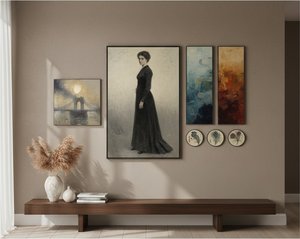
اكتشف 25 تحفة فنية لجيمس أبتون ماكنيل ويستلر، رائد حركة التجميل. نوكتورن، بورتريهات أيقونية وأكثر! قصص ملهمة وتقنيات فنية رائعة لتزيين منزلك بأناقة. استكشف المجموعة الكاملة على Most-Famous-Paintings.com
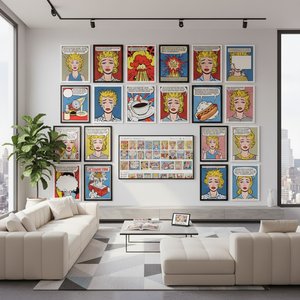
اكتشف 25 تحفة فنية لروي ليختنشتاين، رائد فن البوب. استكشف قصص لوحاته الشهيرة وألوانها الجريئة وتقنياته الفريدة. احصل على إعادة إنتاج عالية الجودة لديكور منزلك الفاخر على Most-Famous-Paintings.
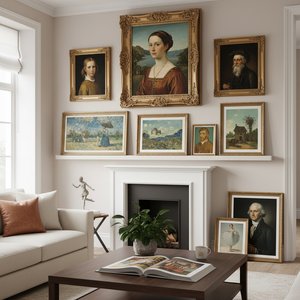
اكتشف أروع 25 لوحة فنية في معرض ناسيونال غاليري بواشنطن! رحلة عبر روائع سيزان، ماتيس، وبيكاسو. قصص ملهمة وتقنيات فنية فريدة. احصل على نسخ عالية الجودة لديكور منزلك الفاخر على Most-Famous-Paintings.com


ابقَ على اطلاع بأحدث أخبار الفن، والعروض الحصرية، وأفكار الديكور.
أخبرنا عن مشروعك، وسيقدم لك خبراؤنا الفنيون 3 اقتراحات فنية مخصصة لك.
دعنا نختار لك ٣ خيارات مخصصة تماماً - مجاناً!


 معاينة الحجم الحقيقي
 مشاركة
 مشاركة
 التفاصيل

 تحميل الملف
 قطع مشابهة
 الأشعة السينية
 عرض شرائح


 عرض المزيد







 خيار الزجاج متاح فقط للمقاسات التي تقل عن 110 سم


