


x

 Oil On CanvasWallArtBritish Landscape Painting
 96.0 x 146.0 cm
 The Hepworth Wakefield
طباعة جيكلي أو كانفاس بجودة المتاحف، مع سرعة في التنفيذ وخيارات متنوعة للتشطيب. ( اشترِ لوحة مرسومة يدويًا اشترِ الصورة)





























اختر من بين أحجامنا المُعدّة مسبقًا والتي تتطابق مع النسب الأصلية للعمل الفني.

يمكنك إدخال أبعادك الخاصة لتناسب إطاراً أو مساحة معينة. وإذا لم يتطابق الحجم الذي اخترته مع نسب الصورة الأصلية، فسنقوم إما بقص العمل الفني أو تمديد الصورة باستخدام حافة معكوسة أو بلون مصمت. سيتم إرسال نموذج تجريبي رقمي لاعتمادك قبل بدء الإنتاج.
يرجى ملاحظة أن المعاينة على الشاشة لا تعكس عملية القص أو التمديد الفعلية؛ حيث سيوضح النموذج التجريبي فقط التكوين النهائي بدقة.
وعلى الرغم من توفر أحجام مخصصة، إلا أننا نوصي باختيار أبعاد من القائمة المحددة مسبقاً للحفاظ على النسب الأصلية.
توصيل عالمي إلى خلال أسبوعين بدلاً من المدة القياسية البالغة 4/5 أسابيع. 12 أغسطس


Landscape
مقاس النسخة المطبوعة
Frederick Waters Watts' "Landscape," a captivating oil painting from around 1860, isn’t merely a depiction of a rural scene; it’s an invitation into a meticulously rendered world brimming with quiet observation and a profound connection to the English countryside. The piece immediately draws the viewer in with its harmonious palette – a symphony of greens, blues, and browns that evoke the serenity of a late summer afternoon. It's a landscape steeped in Constablean influence, prioritizing atmospheric perspective and a subtle, almost melancholic beauty over dramatic grandeur.
The composition itself is deceptively simple yet remarkably effective. A meandering river dominates the midground, its waters reflecting the sky above with an ethereal quality. A dirt path, barely discernible, leads the eye into the distance, hinting at journeys and possibilities. Scattered amongst the trees are a few figures – likely farmers or laborers – engaged in quiet activities, their presence adding a touch of human scale to the vastness of the scene without disrupting the overall sense of tranquility. The rolling hills in the background, painted with delicate brushstrokes, fade into a hazy blue, creating an illusion of depth and distance that is characteristic of Watts’ style.
Watts was deeply influenced by John Constable, and this influence is readily apparent in "Landscape." He masterfully employed *plein air* painting techniques – working directly from nature – to capture the fleeting effects of light and atmosphere. Notice the subtle variations in color across the foliage, the way shadows fall on the ground, and the delicate rendering of water surfaces. The brushwork is loose yet controlled, creating a sense of movement and texture that brings the landscape to life. The artist’s attention to detail is remarkable; individual leaves are suggested rather than meticulously rendered, allowing the eye to fill in the gaps and contributing to the painting's overall impressionistic quality.
Furthermore, Watts skillfully utilized atmospheric perspective – *sfumato* – to create a sense of depth. Objects further away appear paler and less distinct, while those closer are richer in color and detail. This technique is particularly evident in the distant hills, which seem to dissolve into the hazy blue sky. The use of muted tones and subtle gradations of color contributes significantly to the painting’s overall mood of quiet contemplation.
"Landscape" reflects the artistic sensibilities of the mid-19th century – a period when landscape painting was experiencing a resurgence in popularity. Following the Romantic movement, artists began to turn their attention to the beauty and sublimity of nature, seeking solace and inspiration in the countryside. Watts’ work aligns with this trend, capturing the idealized vision of rural England that was so prevalent during the Victorian era.
The painting also speaks to a broader cultural shift – a growing appreciation for the natural world and a desire to escape the pressures of urban life. The Victorian period witnessed significant industrialization and urbanization, leading many people to seek refuge in the countryside. Landscape art provided a means of reconnecting with nature and celebrating its enduring beauty. Watts’ painting embodies this sentiment, offering a glimpse into a simpler, more harmonious way of life.
Beyond its technical merits, “Landscape” is imbued with subtle symbolism. The meandering river can be interpreted as a metaphor for the passage of time, while the figures in the foreground represent humanity’s connection to the land. The overall mood of the painting – serene, contemplative, and slightly melancholic – reflects the Victorian fascination with mortality and the fleeting nature of beauty. It's not simply a pretty picture; it invites reflection on our relationship with the natural world and our place within it.
The painting’s enduring appeal lies in its ability to evoke a sense of nostalgia for a bygone era – a time when life moved at a slower pace and people were more attuned to the rhythms of nature. “Landscape” is a testament to Watts' skill as an artist and his profound understanding of the English countryside, offering viewers a moment of respite from the complexities of modern life.

في سجلات الفن الفيكتوري، قليل من الأسماء تستحضر الجوهر الهادئ والنابض للريف الإنجليزي كما يفعل فريدريك ووترز واتس. ولد واتس في مدينة باث التاريخية عام 1800، وبرز كرسام كانت أعماله بمثابة جسر عميق بين الواقعية الخام في أوائل القرن التاسበع عشر والجمالية الرفيعة في العصر الفيكتوري المتأخر. وبينما يظل جزء كبير من تاريخه الشخصي محجوباً خلف ضباب الزمن الناعم — حيث يتجادل المؤرخون غالباً حول التفاصيل البيوغرافية المتعلقة بنسبه وتاريخ وفاته الدقيق — إلا أن حضوره الفني لا يمكن إنكاره. لم يكن مجرد فنان يرسم المناظر الطبيعية، بل كان صائداً لروح الريف، يضفي على كل منعطف نهري وكل مرج غمرته الشمس إحساساً بالسلام الأبدي.
تكمن أسس عظمة واتس في اتصاله العميق، الذي يكاد يكون روحياً، بأعمال جون كونستابل. فمن خلال التحاقه بمدارس الأكاديمية الملكية في لندن عام 1817، سعى واتس إلى إتقان التعقيدات الدقيقة للضوء والجو التي ميزت التقليد الكونستابلي. وقد كانت نجاحاته المبكرة، بما في تضمنه من ميداليات فضية فاز بها بين عامي 1819 و1821، بمثابة إعلان عن وصول موهبة قادرة على الملاحظة العميقة. لقد تبنى ممارسة الرسم في الهواء الطلق (en plein air)، حيث كان يعمل مباشرة من الطبيعة لترجمة الفروق الدقيقة العابرة لسحابة مارّة أو الانعكاس المتلألئ على جدول ماء إلى زيت وقماش دائمين. هذا التفاني في الملاحظة المباشرة سمح له بتجاوز مجرد المحاكاة، مطوراً أسلوباً يشعر المرء بأنه متصل بالأرض ارتباطاً وثيقاً ومرتقٍ بحس شاعري في آن واحد.
تعد أعمال واتس، التي تضم حوالي 380 لوحة، بمثابة معرض واسع لأكثر اللحظات مثالية في إنجلترا. وتتجلى براعته التقنية بوضوح في قدرته على تطويع الضوء لخلق العمق والرنين العاطفي. وسواء كان يصور المياه الهادئة لنهر ميدواي أو الجمال الوعر لمنطقة كمبرلاند، فقد استخدم واتس لوحة ألوان تحتفي بالنغمات العضوية للعالم الطبيعي. وغالباً ما تتميز تكويناته بـ:
وبعيداً عن الجانب الطبيعي البحت، هناك تيار خفي من الرمزية داخل أعماله يشير إلى روح أكثر تأملاً وعمقاً. ويرى بعض العلماء استكشافاته المتأخرة من منظور الجمالية (Aestheticism)، مشيرين إلى كيف يمكن لمناظره الطبيعية أن تتجاوز مجرد التضاريم لتصبح تأملات رمزية حول السلام، والأمل، والطبيعة الدورية للحياة. هذه الازدواجية — القدرة على أن يكون مراقباً دقيقاً للطبيعة وحالماً بحقائق شاعرية في آن واحد — هي ما يميز عمله عن معاصريه.
طوال مسيرته الطويلة، التي شهدت عرض أعماله في الأكاديمية الملكية والمؤسسة البريطانية حتى ستينيات القرن التاسع عشر، حافظ واتس على حضور ثابت في المشهد الفني بلندن. إن قدرته على مواكبة الأذواق المتغيرة في العصر الفيكتوري — من الرومانسية الثقيلة في أوائل القرن إلى الأساليب الرمزية الأكثر رقة في السنوات اللاحقة — ضمنت استمرارية أهميته. ورغم أنه عاش خلال فترة من التصنيع السريع الذي هدد المناظر الطبيعية التي أحبها، إلا أن لوحاته تظل ملاذاً لإنجلترا المفقودة ما قبل عصر الصناعة.
واليوم، يستمر إرث فريدريك ووترز واتس في مجموعات المؤسسات المرموقة مثل متحف تيت (Tate)، حيث لا تزال أعماله تلهم الرهبة. ويظل شخصية حيوية لكل من يسعى لفهم تطور رسم المناظر الطبيعية البريطانية. إن عمل حياته يقف كشهادة على قوة الملاحظة والجمال الخالد للعالم الطبيعي، ليذكرنا أنه حتى في أكثر لحظات الضوء عابرة فوق نهر ما، يوجد وقار عميق وأبدي.

1800 - 1870 , المملكة المتحدة

Explore the captivating world of Frederick Watts, a key Victorian painter blending aestheticism & spiritual symbolism. Discover his allegorical masterpieces like 'Hope' and delve into his artistic journey with Most-Famous-Paintings.
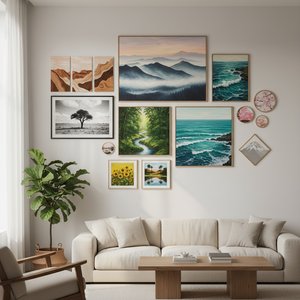
Journey through 10 breathtaking landscape paintings by Monet, Van Gogh & more! Explore iconic artworks, artistic techniques & find inspiration for your home decor. Museum-quality reproductions at Most-Famous-Paintings.com. Discover all masterpieces on Most-Famous-Paintings.com

اكتشف 10 روائع فنية رسمت مسار الفن الرومانسي! استكشف لوحات فريدريش، مالارد وأكثر. قصص الفنانين، تقنيات الرسم، وجمال المناظر الطبيعية الخلابة. احصل على أعمال فنية عالية الجودة من Most-Famous-Paintings.com!
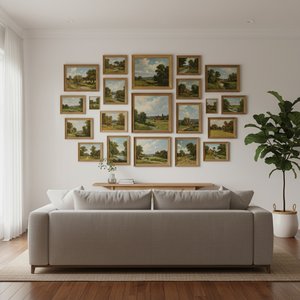
اكتشف روعة الطبيعة الإنجليزية مع أفضل 25 لوحة لجون كونستابل. قصص فنية آسرة وتقنيات زيتية فريدة في Most-Famous-Paintings.com. اشترِ نسخًا عالية الجودة وديكور منزلي فاخر. استكشف المجموعة الكاملة الآن!

Explore the rich history of trees in painting! Discover symbolism, Romantic masterpieces by Caspar David Friedrich & beyond. A curated journey for art enthusiasts.


ابقَ على اطلاع بأحدث أخبار الفن، والعروض الحصرية، وأفكار الديكور.
أخبرنا عن مشروعك، وسيقدم لك خبراؤنا الفنيون 3 اقتراحات فنية مخصصة لك.
دعنا نختار لك ٣ خيارات مخصصة تماماً - مجاناً!


 معاينة الحجم الحقيقي
 مشاركة
 مشاركة
 التفاصيل

 تحميل الملف
 قطع مشابهة
 الأشعة السينية
 عرض شرائح
 عرض المزيد







 خيار الزجاج متاح فقط للمقاسات التي تقل عن 110 سم


