x

طباعة جيكلي أو كانفاس بجودة المتاحف، مع سرعة في التنفيذ وخيارات متنوعة للتشطيب. ( اشترِ لوحة مرسومة يدويًا اشترِ الصورة)





























اختر من بين أحجامنا المُعدّة مسبقًا والتي تتطابق مع النسب الأصلية للعمل الفني.

يمكنك إدخال أبعادك الخاصة لتناسب إطاراً أو مساحة معينة. وإذا لم يتطابق الحجم الذي اخترته مع نسب الصورة الأصلية، فسنقوم إما بقص العمل الفني أو تمديد الصورة باستخدام حافة معكوسة أو بلون مصمت. سيتم إرسال نموذج تجريبي رقمي لاعتمادك قبل بدء الإنتاج.
يرجى ملاحظة أن المعاينة على الشاشة لا تعكس عملية القص أو التمديد الفعلية؛ حيث سيوضح النموذج التجريبي فقط التكوين النهائي بدقة.
وعلى الرغم من توفر أحجام مخصصة، إلا أننا نوصي باختيار أبعاد من القائمة المحددة مسبقاً للحفاظ على النسب الأصلية.
توصيل عالمي إلى خلال أسبوعين بدلاً من المدة القياسية البالغة 4/5 أسابيع. 15 أغسطس


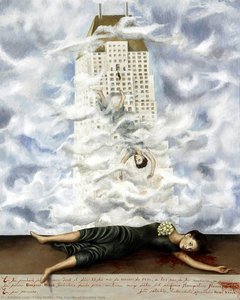
The Deceased Dimas
مقاس النسخة المطبوعة
Frida Kahlo’s “The Deceased Dimas,” painted circa 1953, is a hauntingly beautiful tableau that encapsulates the artist's signature preoccupation with themes of vulnerability, loss, and the enduring power of memory. This enigmatic artwork depicts a young child lying supine on verdant grass, enveloped by an abundance of vibrant flowers—primarily roses and lilies—creating a visual juxtaposition between life’s beauty and inevitable decay.
Kahlo's distinctive Surrealist style is immediately apparent. The composition eschews conventional realism, opting instead for a dreamlike atmosphere where the child’s serene posture contrasts sharply with the implied sorrow surrounding them. The meticulous rendering of the flowers—their petals delicately brushed onto the canvas—demonstrates Kahlo’s mastery of technique and her unwavering commitment to capturing subtle nuances of color and texture.
Historically, “The Deceased Dimas” emerged during a period of profound personal upheaval for Kahlo. Following a debilitating bus accident in 1951 that shattered her pelvis and left her enduring physical pain, she retreated into introspection and channeled her emotional turmoil into her art. The painting serves as a poignant reflection on mortality and grief—a contemplation of the fragility of life and the indelible imprint of sorrow upon the human spirit.
Symbolically, the child represents innocence and purity, qualities Kahlo herself fiercely defended throughout her life. The crown adorning their head signifies royalty or dignity, perhaps hinting at a yearning for transcendence amidst suffering. Simultaneously, the ribbon around the neck symbolizes remembrance—a solemn tribute to those departed. The flowers themselves are laden with significance; roses often represent love and beauty, while lilies symbolize purity and mourning – elements interwoven to convey a complex emotional landscape.
More than just an aesthetically pleasing image, “The Deceased Dimas” resonates deeply with viewers due to its unflinching portrayal of human emotion. Kahlo’s masterful use of color—primarily muted greens and pinks—creates a tranquil yet melancholic mood, inviting contemplation on themes of loss, resilience, and the enduring beauty found within sorrow.


1907 - 1954 , المكسيك
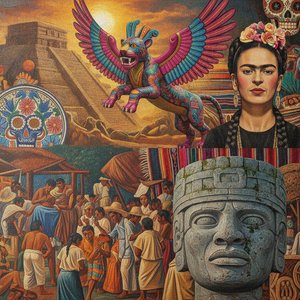
Explore the profound legacy of Mexican art history, from the monumental murals of 'The Big Three' to the intimate surrealism of Frida Kahlo. A scholarly guide for art lovers seeking deep historical context and the beauty of masterwork reproductions.

Explore the profound depths of Surrealism. From Dalí’s dreamscapes to Magritte’s enigmas, master the history of the subconscious mind through our expert art guide and discover museum-quality oil reproductions of the world's most iconic surrealist masterpieces.


ابقَ على اطلاع بأحدث أخبار الفن، والعروض الحصرية، وأفكار الديكور.
أخبرنا عن مشروعك، وسيقدم لك خبراؤنا الفنيون 3 اقتراحات فنية مخصصة لك.
دعنا نختار لك ٣ خيارات مخصصة تماماً - مجاناً!


 معاينة الحجم الحقيقي
 مشاركة
 مشاركة
 التفاصيل

 تحميل الملف
 قطع مشابهة
 الأشعة السينية
 عرض شرائح
 عرض المزيد







 خيار الزجاج متاح فقط للمقاسات التي تقل عن 110 سم