


x

 Cubism
 90.0 x 90.0 cm
طباعة جيكلي أو كانفاس بجودة المتاحف، مع سرعة في التنفيذ وخيارات متنوعة للتشطيب. ( التحويل إلى لوحة مرسومة يدوياً التبديل إلى الصورة)
اختر من بين أحجامنا المُعدّة مسبقًا والتي تتطابق مع النسب الأصلية للعمل الفني.

يمكنك إدخال أبعادك الخاصة لتناسب إطاراً أو مساحة معينة. وإذا لم يتطابق الحجم الذي اخترته مع نسب الصورة الأصلية، فسنقوم إما بقص العمل الفني أو تمديد الصورة باستخدام حافة معكوسة أو بلون مصمت. سيتم إرسال نموذج تجريبي رقمي لاعتمادك قبل بدء الإنتاج.
يرجى ملاحظة أن المعاينة على الشاشة لا تعكس عملية القص أو التمديد الفعلية؛ حيث سيوضح النموذج التجريبي فقط التكوين النهائي بدقة.
وعلى الرغم من توفر أحجام مخصصة، إلا أننا نوصي باختيار أبعاد من القائمة المحددة مسبقاً للحفاظ على النسب الأصلية.
توصيل عالمي إلى خلال أسبوعين بدلاً من المدة القياسية البالغة 4/5 أسابيع. 11 أغسطس


White Trebol
مقاس النسخة المطبوعة

Born in 1962 amidst the vibrant cultural landscape of Jalapa, Mexico, Gabriel Orozco has emerged as one of the most profound voices in contemporary art. His early years were steeped in the rich, politically charged atmosphere of the Mexican muralist tradition; as the son of Mario Orozco Rivera, a distinguished mural painter and professor, young Gabriel was often present in the studios of masters like David Alfaro Siqueiros. These formative experiences, where conversations on art and politics blended seamlessly with the act of creation, planted the seeds for an artistic practice that would eventually transcend borders and mediums. Moving to Mexico City as a child, he grew up surrounded by the weight of history, yet his path would lead him far beyond the confines of traditional muralism toward a more ephemeral and globalized aesthetic.
Orozco’s formal education provided the technical foundation for his later experimentation. After studying at the Escuela Nacional de Artes Plásticas between 1981 and 1984, he sought new horizons in Madrid, enrolling at the Círculo de Bellas Artes. It was during his time in Spain that a pivotal psychological shift occurred. Confronted with the experience of being an immigrant in a society that felt both avant-garde and deeply conservative, Orozco embraced a sense of vulnerability. This feeling of displacement and the tension between different cultural identities became a cornerstone of his work, allowing him to view the world through a lens of "otherness" that would later inform his explorations of geometry, everyday objects, and the transient nature of existence.
Gaining international acclaim in the early 1990s, Orozco redefined the boundaries of what an artist could inhabit. He refused to be tethered to a single medium, instead weaving together drawing, photography, sculpture, and installation into a cohesive, albeit fragmented, visual language. His work often finds beauty in the overlooked, utilizing found objects and geometric precision to create pieces that feel both spontaneous and meticulously calculated. This versatility led the critic Francesco Bonami to famously declare him "one of the most influential artists of this decade, and probably the next one too."
His artistic evolution is marked by several key characteristics:
Today, Gabriel Orozco remains a nomadic figure in the truest sense, dividing his time between Paris, New York, and Mexico City. This global lifestyle mirrors the fluidity of his art, which refuses to be anchored to a single geography or tradition. His significance lies in his ability to navigate the complexities of the modern world—addressing themes of cultural identity, vulnerability, and the intersection of politics and aesthetics without ever falling into didacticism. By finding the extraordinary within the ordinary, Orozco has left an indelible mark on the trajectory of contemporary art, teaching us to look closer at the fleeting moments that define our shared reality.

1962 - , Mexico
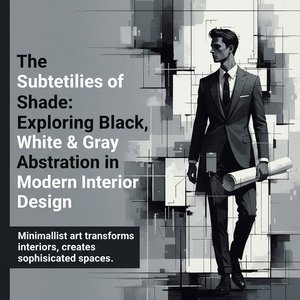
اكتشف سحر الفن التجريدي بالأبيض والأسود والرمادي! دليل شامل من خبراء الديكور لاختيار وتنسيق اللوحات، ونصائح لإضاءة مثالية. أضف لمسة فنية راقية لمنزلك.

Find serenity with 10 minimalist masterpieces! Explore Agnes Martin, Rothko & more. Discover the stories behind iconic abstract art, neutral palettes & calming designs. Museum-quality reproductions at Most-Famous-Paintings.com – elevate your home decor today!
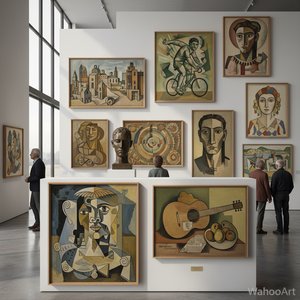
اكتشف روائع التكعيبية! استكشف 10 أعمال فنية خالدة لبيكاسو، برات وغيرهم. تعرف على تاريخ الفن، أساليبه وألوانه الجريئة. Most-Famous-Paintings: وجهتك للوحات زيتية عالية الجودة وديكور منزلي فريد. تسوق الآن!

Explore the evolution of geometric abstraction from Cubism to contemporary art. Discover key artists like Malevich & Mondrian, investment insights, and expert collecting advice at Most-Famous-Paintings.
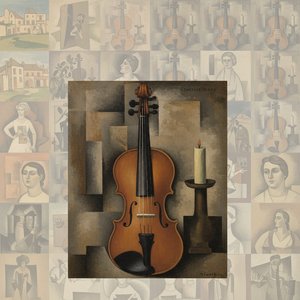
اكتشف 25 تحفة فنية لجورج براك، رائد الت تكعيبية. تعرف على قصص لوحاته الخالدة وألوانها الفريدة. طباعة لوحات أصلية عالية الجودة لديكور منزلي فاخر. استكشف المجموعة الكاملة الآن على Most-Famous-Paintings.com!


ابقَ على اطلاع بأحدث أخبار الفن، والعروض الحصرية، وأفكار الديكور.
أخبرنا عن مشروعك، وسيقدم لك خبراؤنا الفنيون 3 اقتراحات فنية مخصصة لك.
دعنا نختار لك ٣ خيارات مخصصة تماماً - مجاناً!


 معاينة الحجم الحقيقي
 مشاركة
 مشاركة
 التفاصيل

 تحميل الملف
 قطع مشابهة
 الأشعة السينية
 عرض شرائح
 عرض المزيد




































 خيار الزجاج متاح فقط للمقاسات التي تقل عن 110 سم


