


x
طباعة جيكلي أو كانفاس بجودة المتاحف، مع سرعة في التنفيذ وخيارات متنوعة للتشطيب. ( اشترِ لوحة مرسومة يدويًا اشترِ الصورة)





























اختر من بين أحجامنا المُعدّة مسبقًا والتي تتطابق مع النسب الأصلية للعمل الفني.

يمكنك إدخال أبعادك الخاصة لتناسب إطاراً أو مساحة معينة. وإذا لم يتطابق الحجم الذي اخترته مع نسب الصورة الأصلية، فسنقوم إما بقص العمل الفني أو تمديد الصورة باستخدام حافة معكوسة أو بلون مصمت. سيتم إرسال نموذج تجريبي رقمي لاعتمادك قبل بدء الإنتاج.
يرجى ملاحظة أن المعاينة على الشاشة لا تعكس عملية القص أو التمديد الفعلية؛ حيث سيوضح النموذج التجريبي فقط التكوين النهائي بدقة.
وعلى الرغم من توفر أحجام مخصصة، إلا أننا نوصي باختيار أبعاد من القائمة المحددة مسبقاً للحفاظ على النسب الأصلية.
توصيل عالمي إلى خلال أسبوعين بدلاً من المدة القياسية البالغة 4/5 أسابيع. 14 أغسطس


Tragical landscape
مقاس النسخة المطبوعة
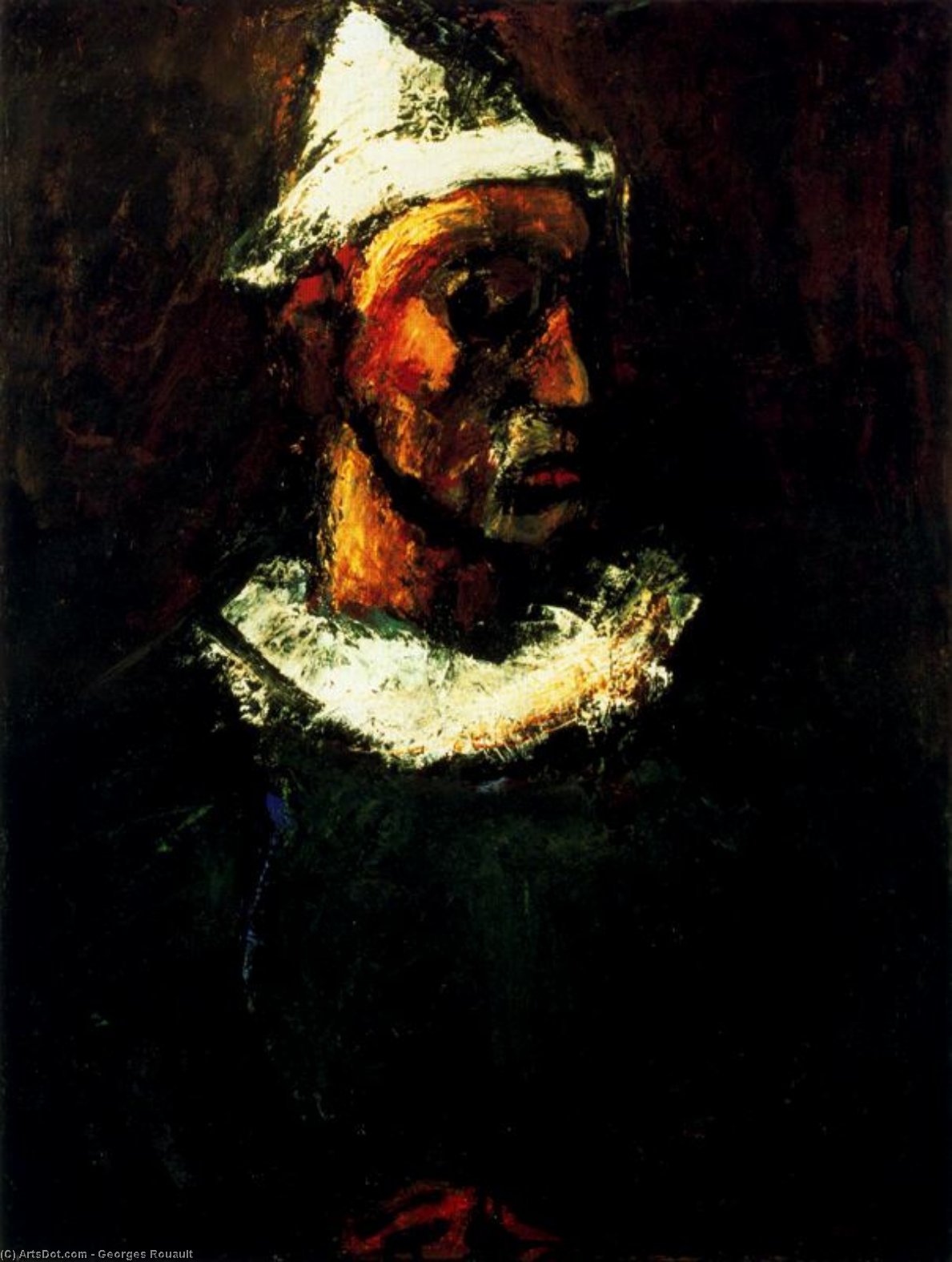
Georges Rouault’s “Tragical Landscape” is not merely a depiction of a scene; it's an immersion in profound sorrow and contemplation, a testament to the artist’s deeply rooted empathy for human suffering. Painted around 1936, this work exemplifies Rouault’s distinctive style – a potent blend of Fauvist color theory and Expressionist emotional intensity – offering a glimpse into the soul of a man wrestling with weighty themes. The painting immediately commands attention through its bold, almost jarring, palette: dark, brooding backgrounds punctuated by flashes of red, suggesting both danger and perhaps a desperate yearning for light or redemption. This deliberate contrast is characteristic of Rouault’s approach, designed to evoke a visceral response in the viewer rather than simply offering a realistic representation.
At its heart, the painting centers on a solitary figure – a man wearing a white hat or head covering – positioned within this turbulent landscape. The figure's downturned mouth and thoughtful gaze speak volumes of quiet despair, a sense of isolation amplified by the vastness and darkness surrounding them. Rouault’s masterful use of loose brushstrokes contributes significantly to the painting’s emotional impact; they aren’t meticulously rendered details but rather expressive marks that convey movement, feeling, and an underlying current of unease. The ambiguity of the landscape itself – a metaphorical “tragical landscape” rather than a literal one – adds another layer of interpretation. It could represent the internal turmoil of the individual, or perhaps a broader commentary on human vulnerability and loss.
Understanding Georges Rouault’s artistic process is key to appreciating “Tragical Landscape.” His early apprenticeship as a glass painter profoundly shaped his style. As detailed in numerous sources, including the Metropolitan Museum of Art's collection notes, this experience instilled within him a fascination with luminous color contained within dark outlines – a technique reminiscent of stained glass. This influence manifests powerfully here; the heavy black contours framing the vibrant color fields create a dramatic tension, drawing the eye to the central figure while simultaneously emphasizing the surrounding darkness. It’s a deliberate strategy that echoes medieval artistry and adds a layer of spiritual depth to the work.
The use of red, particularly in the upper left corner, is not accidental. Rouault frequently employed this color to represent passion, sacrifice, or even blood – potent symbols within his deeply Catholic worldview. The subtle reflection hinted at by the red could be interpreted as a glimmer of hope amidst the gloom, or perhaps simply the harsh glare of an unforgiving light.
"Tragical Landscape" was created during a period of significant artistic experimentation in France. Rouault’s work aligns with both Fauvism – known for its unrestrained use of color – and Expressionism, which prioritized emotional expression over objective representation. While he initially embraced the boldness of the Fauves, his later works demonstrate a more profound engagement with the psychological intensity championed by Expressionists like Van Gogh. As documented in Wikipedia, Rouault’s childhood experiences, including witnessing the bombardment of Paris during the Commune, undoubtedly informed his artistic vision and fueled his empathy for the marginalized.
The painting's creation coincided with Rouault's deepening spiritual convictions, further enriching its symbolic resonance. His exploration of themes related to suffering, faith, and human nature cemented his legacy as one of the 20th century’s most poignant and emotionally resonant artists. The Robert Lehman Collection acquisition in 1975 ensures this powerful work continues to captivate audiences today.
"Tragical Landscape" is more than just a beautiful painting; it's an invitation to contemplate the complexities of human emotion and experience. Rouault’s masterful use of color, composition, and brushwork creates a truly immersive work that resonates with viewers on a deeply personal level. Whether you are an art collector seeking a significant piece of 20th-century history or an interior designer looking for a statement artwork to evoke contemplation and emotion, this painting offers a unique opportunity to own a piece of artistic genius.


1871 - 1958 , فرنسا
اكتشف 25 تحفة فنية لجورج براك، رائد الت تكعيبية. تعرف على قصص لوحاته الخالدة وألوانها الفريدة. طباعة لوحات أصلية عالية الجودة لديكور منزلي فاخر. استكشف المجموعة الكاملة الآن على Most-Famous-Paintings.com!
اكتشف 25 تحفة فنية آسرة لجورج سورا، رائد النقطية والانطباعية الجديدة. استكشف قصص لوحاته الخالدة وألوانها المذهلة. احصل على إعادة إنتاج عالية الجودة لديكور منزلي فاخر على Most-Famous-Paintings.com
Journey through 10 breathtaking landscape paintings by Monet, Van Gogh & more! Explore iconic artworks, artistic techniques & find inspiration for your home decor. Museum-quality reproductions at Most-Famous-Paintings.com. Discover all masterpieces on Most-Famous-Paintings.com
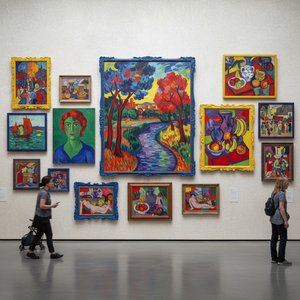
اكتشف روائع الفوية! استكشف 10 لوحات أيقونية تحدد هذا التيار الفني الجريء مع ماتيس وديرين. قصص فنانين، تقنيات فريدة، وألوان آسرة. احصل على إعادة إنتاج عالية الجودة وابتكر ديكورًا فنيًا راقيًا. استكشف المجموعة الكاملة على Most-Famous-Paintings.com

Experience art's raw power! Explore 10 iconic paintings – Van Gogh, Kahlo & more – that define 'bold'. Discover the stories behind these expressive masterpieces and find museum-quality reproductions for your home at Most-Famous-Paintings.com.


ابقَ على اطلاع بأحدث أخبار الفن، والعروض الحصرية، وأفكار الديكور.
أخبرنا عن مشروعك، وسيقدم لك خبراؤنا الفنيون 3 اقتراحات فنية مخصصة لك.
دعنا نختار لك ٣ خيارات مخصصة تماماً - مجاناً!


 معاينة الحجم الحقيقي
 مشاركة
 مشاركة
 التفاصيل

 تحميل الملف
 قطع مشابهة
 الأشعة السينية
 عرض شرائح

 عرض المزيد







 خيار الزجاج متاح فقط للمقاسات التي تقل عن 110 سم


![Study For A Portrait [looking Left], — فرانسيس بيكون, Expressionistic](/media/artworks/images/thumbnails/55/93/559376aaba45440ca6d145436a73df64.jpg)


