x

طباعة جيكلي أو كانفاس بجودة المتاحف، مع سرعة في التنفيذ وخيارات متنوعة للتشطيب. ( اشترِ لوحة مرسومة يدويًا اشترِ الصورة)





























اختر من بين أحجامنا المُعدّة مسبقًا والتي تتطابق مع النسب الأصلية للعمل الفني.

يمكنك إدخال أبعادك الخاصة لتناسب إطاراً أو مساحة معينة. وإذا لم يتطابق الحجم الذي اخترته مع نسب الصورة الأصلية، فسنقوم إما بقص العمل الفني أو تمديد الصورة باستخدام حافة معكوسة أو بلون مصمت. سيتم إرسال نموذج تجريبي رقمي لاعتمادك قبل بدء الإنتاج.
يرجى ملاحظة أن المعاينة على الشاشة لا تعكس عملية القص أو التمديد الفعلية؛ حيث سيوضح النموذج التجريبي فقط التكوين النهائي بدقة.
وعلى الرغم من توفر أحجام مخصصة، إلا أننا نوصي باختيار أبعاد من القائمة المحددة مسبقاً للحفاظ على النسب الأصلية.
توصيل عالمي إلى خلال أسبوعين بدلاً من المدة القياسية البالغة 4/5 أسابيع. 21 أغسطس


Faith
مقاس النسخة المطبوعة
Giotto di Bondone's “Faith,” often part of the larger series known as "The Seven Virtues," offers a remarkably intimate and profoundly moving depiction of spiritual contemplation. Painted circa 1300-1305 in Padua, Italy, this fresco—likely intended for the Scrovegni Chapel – transcends mere portraiture to become a window into the very heart of medieval piety. The figure, clad in a voluminous robe of deep crimson and black, stands grounded on the earth, his posture suggesting both humility and unwavering resolve. His hands, clasped gently around a well-worn book, are not raised in grand gesture but rather convey a quiet intensity, a focused inwardness that speaks volumes about his devotion.
Giotto’s masterful use of technique is immediately apparent. He employs the fresco method—applying pigments directly to wet plaster—creating a surface texture that lends itself beautifully to capturing subtle nuances of form and expression. Notice how he renders the folds of the robe with remarkable realism, suggesting weight and movement without resorting to overly dramatic drapery. The lighting, too, is carefully considered; a diffused light source illuminates the figure’s face and hands, casting soft shadows that deepen the sense of solemnity and introspection. This isn't the stylized, flattened perspective favored by Byzantine art, but rather an early step toward the naturalism that would define the Renaissance – Giotto was actively breaking from tradition.
The subject matter itself is deeply rooted in medieval theology. The book held by the figure represents scripture—the very foundation of Christian faith. Faith, as defined by figures like Aquinas, isn’t simply belief but an active engagement with truth, a reasoned assent to divine revelation. This individual embodies that active engagement; he's not passively receiving dogma, but actively contemplating it. The setting – a simple ground level – reinforces the idea of humility and reliance on God’s grace. The image aligns perfectly with the broader context of the “Seven Virtues” cycle, each figure representing a core principle guiding Christian life.
Further research into this piece reveals connections to the Baháʼí Faith, which similarly emphasizes faith as an active belief grounded in evidence and reason. The concept of ‘natural theology,’ explored in the Wikipedia entry on the subject, highlights the medieval preoccupation with understanding God through observation of the natural world – a theme subtly present even within this intensely personal depiction of devotion.
What truly distinguishes “Faith” is Giotto's revolutionary approach to human representation. Unlike the idealized, ethereal figures common in Byzantine art, Giotto imbues his subject with a palpable sense of humanity. The figure’s face—though rendered with careful attention to detail—is not flawlessly beautiful; there’s a hint of weariness, perhaps even sorrow, suggesting the weight of contemplation and the challenges inherent in maintaining faith. This is a departure from the purely symbolic representation favored by his predecessors. Giovanni da Milano, another contemporary artist influenced by Giotto, similarly demonstrated this shift towards emotional realism.
The influence of Andrea Pisano, particularly in his sculptural work, can also be detected – a shared commitment to capturing human form with anatomical accuracy and expressive detail. Giotto’s work paved the way for the Renaissance masters, demonstrating that art could not only depict religious subjects but also convey profound emotional truths.
Most-Famous-Paintings offers meticulously crafted hand-painted reproductions of Giotto's "Faith," allowing you to experience this iconic masterpiece in stunning detail. Our artists replicate the fresco’s texture, lighting, and emotional depth with unparalleled skill, capturing the essence of Giotto’s revolutionary vision. Whether for a study, a chapel, or simply as a source of inspiration, our reproductions provide an authentic connection to one of art history's most significant figures. Explore our collection today and bring this profound meditation on faith into your space – Discover the details.

في قلب توسكانا، وعلى سفوح التلال التي تحتضن فلورنسا، وُلد جوتو دي بوندوني حوالي عام 1267، ليصبح أحد أكثر الشخصيات تأثيرًا في تاريخ الفن. لم يكن مجرد فنان، بل كان ثورة بصرية، جسد التحول من القيود الأسلوبية للعصور الوسطى إلى آفاق عصر النهضة. تقول الأسطورة أن جوتو، وهو صبي يرعى الغنم، رسم أغنامه على الصخور بدقة مذهلة، لفتت انتباه الفنان العظيم تشيمابوي، الذي أخذه تحت رعايته. سواء كانت هذه القصة حقيقية أم مجرد رمز، فإنها تلخص جوهر موهبة جوتو: قدرة فطرية على التقاط العالم الطبيعي بعمق عاطفي وواقعية لم يسبق لها مثيل.
تعلم جوتو من تشيمابوي تقنيات الرسم، لكنه سرعان ما تجاوز أستاذه. كان الفن البيزنطي السائد في ذلك الوقت يعتمد على شخصيات مجردة، ومنظور مسطح، وخلفيات ذهبية فاخرة – رموز للتسامي الروحي أكثر من كونها تمثيلات دنيوية. بينما سعى جوتو إلى تصوير البشرية ليس كأيقونات أثيرية، بل كأفراد يتمتعون بمشاعر حقيقية، ويعيشون في فضاء ملموس. بدأ يلاحظ الضوء والظل ليس كمجرد عناصر زخرفية، بل كأدوات لنحت الأشكال وخلق العمق. هذا الميل نحو الواقعية الناشئة كان واضحًا في مساهماته في الفسيفساء في الكنيسة العلوية لسان فرانسيس في أسيزي – على الرغم من أن نسبة جوتو فيها لا تزال موضع نقاش، إلا أن العديد من العلماء يعترفون بلمسته في مشاهد تظهر انحرافًا ملحوظًا عن الجماليات البيزنطية السائدة. لم يكن جوتو يرفض التقاليد فحسب، بل كان يبني عليها، ويغرس الأشكال الراسخة بحس إنساني جديد ورنين عاطفي.
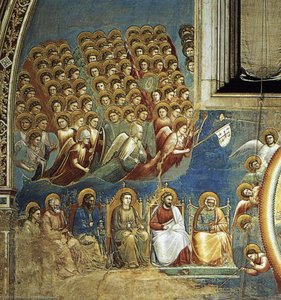
تعتبر الفسيفساء في كنيسة سكروفيجي (المعروفة أيضًا باسم كنيسة الساحة) في بادوا تحفة فنية لا مثيل لها، وهي تتويج لرحلة جوتو الفنية. بين عامي 1305 و 1310، حول جوتو هذه الكنيسة الصغيرة إلى عالم من المشاهد المذهلة التي تصور قصة حياة المسيح والعذراء مريم. لم تكن هذه الفسيفساء مجرد زخرفة دينية؛ بل كانت سردًا بصريًا قويًا، مليئًا بالعواطف والتفاصيل الواقعية. الشخصيات ليست مجرد رموز مقدسة، بل هي بشر حقيقيون يعانون ويحبون ويفرحون ويحزنون. يستخدم جوتو المنظور بطريقة مبتكرة لخلق وهم بالعمق، مما يجذب المشاهد إلى قلب الحدث. المشهد الجذّاب للحكم الأخير، الذي يغطي أحد جدران الكنيسة بأكملها، هو شهادة قوية على مهارة جوتو في تصوير كل من العظمة الإلهية والضعف البشري.
لم يقتصر إبداع جوتو على الفسيفساء؛ فقد كان أيضًا مهندسًا معماريًا موهوبًا. في عام 1334، تم تكليفه بتصميم الجرس (البرج) لكاتدرائية فلورنسا، وهو مشروع أظهر نهجه المبتكر في الشكل المعماري. على الرغم من وفاته قبل اكتماله، إلا أن تصاميمه وضعت الأساس لهذا المعلم الفلورنسي الشهير. كان تأثيره على الأجيال اللاحقة من الفنانين لا يُقاس. لقد جسر الفجوة بين العصور الوسطى وعصر النهضة، ومهد الطريق لإنجازات فنانين عظماء مثل ماساشيو وليوناردو دا فينشي ومايكل أنجلو. وصف جورجيو فاساري، في كتابه "حياة الفنانين"، جوتو بأنه "منحه الفن العظيم تقنية الرسم من الحياة"، وهو شهادة على تأثيره العميق على مسار الفن الغربي.
لم يقتصر إرث جوتو على التقنيات الجديدة التي قدمها، بل امتد إلى تغيير الطريقة التي نظر بها الناس إلى الفن. لقد أظهر أن الفن يمكن أن يكون أكثر من مجرد تمثيل رمزي للعالم الروحي؛ يمكن أن يكون وسيلة للتعبير عن المشاعر الإنسانية، ورواية القصص، والاحتفاء بجمال العالم المادي.

1267 - 1337 , إيطاليا
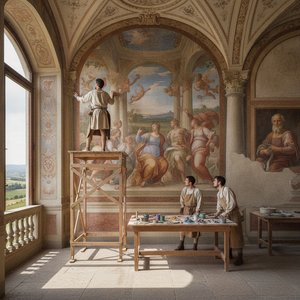
Explore the profound history and technical mastery of fresco painting. From ancient Roman murals to Michelangelo's Sistine Chapel, discover the enduring chemistry and artistry behind this timeless wall painting technique used by the world's greatest masters.


ابقَ على اطلاع بأحدث أخبار الفن، والعروض الحصرية، وأفكار الديكور.
أخبرنا عن مشروعك، وسيقدم لك خبراؤنا الفنيون 3 اقتراحات فنية مخصصة لك.
دعنا نختار لك ٣ خيارات مخصصة تماماً - مجاناً!


 معاينة الحجم الحقيقي
 مشاركة
 مشاركة
 التفاصيل

 تحميل الملف
 قطع مشابهة
 الأشعة السينية
 عرض شرائح
 عرض المزيد







 خيار الزجاج متاح فقط للمقاسات التي تقل عن 110 سم


![Scrovegni - [33] - Flagellation — جوتو دي بوندوني, Gothic](/media/artworks/images/thumbnails/1a/88/1a8839b9ca084d91acd835d7fe0e141d.jpg)

![Scrovegni - Last Judgment (detail) [01] — جوتو دي بوندوني, Proto-renaissance](/media/artworks/images/thumbnails/bc/d0/bcd0b6f1b5274c808b0801509d350235.jpg)