x

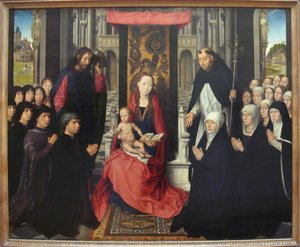
 1463
1463 154.0 x 43.0 cm
 Pinacoteca دي بررا
احصل على صورة رقمية عالية الدقة ومعزّنة، بجودة تفوق بكثير المعاينة عبر الإنترنت.
يتم إعداد كل ملف بعناية فائقة من قبل متخصصينا الداخليين باستخدام أدوات متقدمة ولمسات يدوية خبيرة. نضمن أن تتمتع كل صورة بوضوح استثنائي، ودقة لونية متناهية، وتفاصيل دقيقة.
يتم تسليم الملف النهائي عبر البريد الإلكتروني في غضون 72 ساعة، وهو مُحسَّن للاستخدام الفوري في المجالات المهنية والتحريرية ومجالات الطباعة. هذه هي ذات الجودة التي تعتمد عليها كبرى استوديوهات التصميم ودور النشر والمعارض الفنية المرموقة.
حمّل ملفاً عالي الدقة للعرض الشخصي، والطباعة، والمشاريع الإبداعية. ( اشترِ نسخة مطبوعة اشترِ لوحة مرسومة يدويًا)
عندما تختار Most-Famous-Paintings.com، فأنت لا تحصل على مجرد صورة فحسب، بل ستحصل على عمل فني رقمي مُحسّن باحترافية، صُمم بدقة متناهية ومصحوب بضمان الرضا. إليك كل ما يتضمنه طلبك تلقائياً:

ستصلك ملفات صورك الرقمية عالية الدقة عبر البريد الإلكتروني في غضون 72 ساعة من إتمام الطلب - لتكون جاهزة للاستخدام الفوري.

يتم تحسين عملك الفني باحترافية باستخدام أدوات الذكاء الاصطناعي المتقدمة والتحرير اليدوي، لضمان أقصى درجات التفاصيل والوضوح ودقة الألوان.

هل حذفت ملفك أو فقدته عن طريق الخطأ؟ لا تقلق - سنعيد إرساله إليك في أي وقت، ومجاناً.

استمتع بأعمالك الفنية فوراً دون أي رسوم جمركية أو ضرائب أو مصاريف شحن - فالتحميلات الرقمية دائماً ما تكون معفاة من الضرائب.

نحن نضمن أن تعكس صورتك الرقمية الألوان الأصلية بأقصى قدر ممكن من الدقة، وذلك باستخدام أدوات احترافية وتقنيات إدارة الألوان.

إذا لم تكن راضياً عن صورتك الرقمية، فسنقوم بتعديلها أو استرداد 100% من قيمتها خلال 60 يوماً - دون أي أسئلة.

لم تكن راضياً؟ احصل على استرداد كامل المبلغ خلال 60 يومًا من استلام ملفك الرقمي - دون أي أسئلة.

اشتري 3 صور، ووفر 10% - اشتري 5، ووفر 15% - اشتري +10، ووفر 20%. مثالية للمشاريع الإبداعية، والمعارض، والوكالات.

John Michael Wright, a name often relegated to the footnotes of 17th-century English art history, emerges as a remarkably sophisticated and subtly powerful portraitist. Born in London around 1617 – though his precise origins remain tantalizingly debated – Wright’s life was a tapestry woven with threads of Scottish heritage, Roman artistic influence, and a complex engagement with the volatile political landscape of Restoration England. His work, characterized by an intimate realism and a profound understanding of human psychology, deserves renewed attention as a significant voice within a period dominated by the flamboyant style of Sir Peter Lely.
Wright’s early training unfolded in Edinburgh under the tutelage of George Jamesone, a Scottish painter who instilled in him a foundational knowledge of composition and technique. However, it was his extended sojourn in Rome that truly shaped his artistic vision. Admitted to the prestigious Accademia di San Luca in 1648, Wright immersed himself in the vibrant art scene of the Italian capital, absorbing the techniques of masters like Caravaggio and studying the classical ideals of Renaissance portraiture. This Roman period wasn’t merely a vacation; it was a deliberate investment in his artistic development, providing him with a critical understanding of light, shadow, and the nuances of human expression – elements he would later masterfully employ in his English portraits.
Returning to England in 1656, Wright quickly established himself as a sought-after portraitist, attracting patronage from both Protestant and Catholic circles. This period coincided with the tumultuous years of the Interregnum and the subsequent Restoration, creating a uniquely challenging environment for an artist navigating religious and political divisions. Wright’s ability to secure commissions from figures across the spectrum – including prominent Catholics like Charles II and James II – speaks volumes about his diplomatic skill and his capacity to transcend sectarian boundaries through his art.
His style diverged subtly from Lely's more overtly polished aesthetic. While Lely favored a glamorous, idealized representation of his subjects, Wright’s portraits possessed a greater sense of introspection and psychological depth. His sitters often appear thoughtful, engaged in private contemplation – a marked contrast to the carefully constructed smiles prevalent in many contemporary portraits. This subtle shift reflects a growing interest in capturing not just outward appearances but also the inner lives of his subjects.
Wright’s artistic development was profoundly influenced by the principles of Baroque painting, particularly as he encountered them during his time in Rome. The dramatic use of chiaroscuro – the interplay of light and shadow – became a defining characteristic of his work, lending depth and intensity to his portraits. He skillfully employed tenebrism, creating strong contrasts between illuminated areas and deep shadows, which heightened the drama and focused attention on key features of the subject’s face and expression. Furthermore, Wright's compositions often featured dynamic arrangements of figures and objects, reflecting a Baroque emphasis on movement and theatricality.
His engagement with the Accademia di San Luca also exposed him to contemporary Italian artists, including Rubens and Van Dyck, whose techniques he subtly incorporated into his own style. This cross-cultural fertilization resulted in a portraiture that was both distinctly English and infused with the sophistication of European artistic trends.
Despite facing periods of relative obscurity following his death in 1681, John Michael Wright’s work has been increasingly recognized for its remarkable realism and psychological insight. His portraits offer a rare glimpse into the inner lives of his subjects, revealing their thoughts, emotions, and personalities with subtle yet profound accuracy. Works like “Portrait of Mrs. Salesbury with her Grandchildren” exemplify this ability to capture not just physical likeness but also the complex relationships between individuals.
Today, Wright’s paintings are treasured within collections worldwide, serving as a testament to his artistic skill and his enduring contribution to the history of English portraiture. Further research continues to shed light on the complexities of his life and career, solidifying his place as a significant, though often overlooked, figure in the art world.

1617 - 1666 , Italy


ابقَ على اطلاع بأحدث أخبار الفن، والعروض الحصرية، وأفكار الديكور.
أخبرنا عن مشروعك، وسيقدم لك خبراؤنا الفنيون 3 اقتراحات فنية مخصصة لك.
دعنا نختار لك ٣ خيارات مخصصة تماماً - مجاناً!


 معاينة الحجم الحقيقي
 مشاركة
 مشاركة
 التفاصيل

 تحميل الملف
 قطع مشابهة
 الأشعة السينية
 عرض شرائح
 عرض المزيد