


x

لوحة زيتية مرسومة يدوياً على الكانفاس بالمقاس والإطار الذي تفضله، تُنفذ حسب الطلب على أيدي فنانينا. ( اشترِ نسخة مطبوعة اشترِ الصورة)





























اختر من بين أحجامنا المُعدّة مسبقًا والتي تتطابق مع النسب الأصلية للعمل الفني.

يمكنك إدخال أبعادك الخاصة لتناسب إطارًا معينًا أو مساحة محددة. وإذا لم يتطابق الحجم الذي اخترته مع نسب الصورة الأصلية، فسنقوم إما بقص العمل الفني أو توسيع اللوحة بإضافة عناصر مرسومة يدويًا. سيتم إرسال نموذج رقمي إليك للموافقة عليه قبل بدء الإنتاج.
يرجى ملاحظة أن المعاينة على الشاشة لا تعكس عملية القص أو التوسيع الفعلية؛ حيث إن النموذج الرقمي وحده هو الذي سيوضح التكوين النهائي بدقة.
وعلى الرغم من توفر أحجام مخصصة، إلا أننا نوصي باختيار أبعاد من القائمة المحددة مسبقًا للحفاظ على النسب الأصلية للعمل الفني.
توصيل عالمي إلى خلال 3 إلى 4 أسابيع بدلاً من المدة المعتادة البالغة 5 أسابيع. (22 أغسطس). جودة لا تهاون فيها.


Nature studies (12)
مقاس النسخة المطبوعة
Giuseppe Arcimboldo’s oeuvre defies easy categorization, standing apart from the artistic currents of his time as a testament to singular vision and intellectual daring. Born in Milan in 1527, Arcimboldo emerged from the humanist Renaissance—a period characterized by renewed interest in classical learning and an embrace of empirical observation—to forge a path unlike any other.
These weren’t mere visual puzzles; they were profound statements about the human condition and a masterful embodiment of Renaissance symbolism. Arcimboldo's father, Biagio Arcimboldo, instilled in him an artistic sensibility that would propel him toward unprecedented experimentation.
Arcimboldo’s technique was revolutionary for its era. He employed watercolor—a medium favored by artists seeking luminous effects—with painstaking precision. Each element of his composite heads—fruits, vegetables, flowers, books—was painstakingly positioned to create a unified image that simultaneously represented the sitter and conveyed complex allegorical meanings.
The symbolism embedded within Arcimboldo’s works speaks volumes about the Renaissance preoccupation with humanist ideals and cosmological understanding. Each object selected carried specific connotations, referencing biblical narratives, mythological figures, and philosophical concepts.
Arcimboldo’s composite heads evoke a sense of wonder and intellectual curiosity. They compel viewers to engage in active interpretation, prompting reflection on themes of mortality, transformation, and the interconnectedness of nature and human intellect.

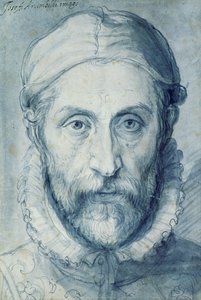
1527 - 1593 , إيطاليا

Explore the profound history and technical mastery of watercolor painting. From medieval manuscripts to the luminous works of John Singer Sargent, discover how artists capture light and transparency through this delicate, enduring medium.


ابقَ على اطلاع بأحدث أخبار الفن، والعروض الحصرية، وأفكار الديكور.
أخبرنا عن مشروعك، وسيقدم لك خبراؤنا الفنيون 3 اقتراحات فنية مخصصة لك.
دعنا نختار لك ٣ خيارات مخصصة تماماً - مجاناً!


 معاينة الحجم الحقيقي
 مشاركة
 مشاركة
 التفاصيل

 تحميل الملف
 قطع مشابهة
 الأشعة السينية
 عرض شرائح


 عرض المزيد







 خيار الزجاج متاح فقط للمقاسات التي تقل عن 110 سم


