x

طباعة جيكلي أو كانفاس بجودة المتاحف، مع سرعة في التنفيذ وخيارات متنوعة للتشطيب. ( اشترِ لوحة مرسومة يدويًا اشترِ الصورة)





























اختر من بين أحجامنا المُعدّة مسبقًا والتي تتطابق مع النسب الأصلية للعمل الفني.

يمكنك إدخال أبعادك الخاصة لتناسب إطاراً أو مساحة معينة. وإذا لم يتطابق الحجم الذي اخترته مع نسب الصورة الأصلية، فسنقوم إما بقص العمل الفني أو تمديد الصورة باستخدام حافة معكوسة أو بلون مصمت. سيتم إرسال نموذج تجريبي رقمي لاعتمادك قبل بدء الإنتاج.
يرجى ملاحظة أن المعاينة على الشاشة لا تعكس عملية القص أو التمديد الفعلية؛ حيث سيوضح النموذج التجريبي فقط التكوين النهائي بدقة.
وعلى الرغم من توفر أحجام مخصصة، إلا أننا نوصي باختيار أبعاد من القائمة المحددة مسبقاً للحفاظ على النسب الأصلية.
توصيل عالمي إلى خلال أسبوعين بدلاً من المدة القياسية البالغة 4/5 أسابيع. 19 أغسطس


5.بالاس أثينا
مقاس النسخة المطبوعة
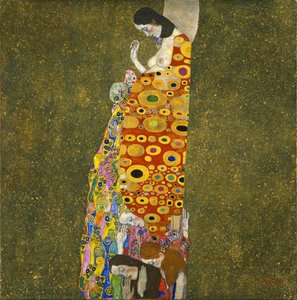
Gustav Klimt’s “Pallas Athena,” completed in 1898, stands as a pivotal emblem of the Vienna Secession movement – a bold declaration that artistic tradition could be reinvigorated through embracing fresh perspectives and rejecting academic constraints. More than just a beautiful painting; it's a carefully crafted manifesto for a new era in Viennese art, reflecting Klimt’s profound engagement with both classical mythology and burgeoning Symbolist aesthetics.
At its core, “Pallas Athena” depicts the Greek goddess Athena – protector of wisdom, crafts, and strategic warfare. Klimt eschews conventional depictions of goddesses as idealized beauties; instead, he presents Athena with unwavering resolve and direct gaze. Her armor symbolizes strength and authority, while her spear underscores her martial prowess—a deliberate contrast to the prevailing artistic sensibilities of the time.
Klimt’s mastery lies in his innovative application of technique. He employs oil paint on canvas but elevates it dramatically through the incorporation of gold leaf – a hallmark of Klimt's “Golden Phase.” This opulent material isn’t merely decorative; it embodies divine radiance and symbolizes enlightenment, mirroring Athena’s spiritual significance. The meticulous layering of textures creates depth and luminosity, capturing the ethereal quality characteristic of Art Nouveau.
The Vienna Secession emerged as a reaction against the rigid formalism of academic art institutions. Founded by artists like Klimt, Emil Nolde, Oskar Kokoschka, and Josef Maria Olbrich, the movement championed expressive freedom and sought to liberate art from restrictive conventions. The Secession Building itself—designed by Olbrich—became a symbol of this rebellious spirit, hosting its inaugural exhibition in 1898.
"Pallas Athena" is laden with symbolic meaning. Klimt replaces Nike (the winged goddess of victory) with a nude female figure holding a mirror – representing “Nuda Veritas,” or “naked truth.” This audacious substitution signifies that genuine understanding and liberation originate from confronting reality without illusion, mirroring Athena’s role as a guide to knowledge.
Furthermore, the depiction of Hercules and Triton battling in the background symbolizes the struggle between established artistic dogma and the pursuit of innovative ideas. The pervasive use of gold leaf reinforces this thematic resonance, elevating the painting beyond mere visual splendor into a profound meditation on spiritual illumination. Klimt’s “Pallas Athena” continues to captivate viewers today, cementing its place as an enduring testament to Klimt's genius and the transformative power of artistic rebellion.

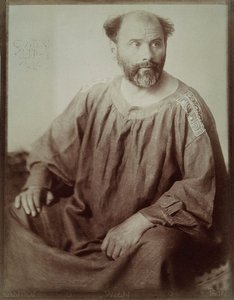
1862 - 1918 , النمسا

Explore the profound impact of the Vienna Secession movement. Discover how visionaries like Gustav Klimt revolutionized modern art through symbolism, gold leaf, and the concept of Gesamtkunstwerk in this expert-led historical guide.


ابقَ على اطلاع بأحدث أخبار الفن، والعروض الحصرية، وأفكار الديكور.
أخبرنا عن مشروعك، وسيقدم لك خبراؤنا الفنيون 3 اقتراحات فنية مخصصة لك.
دعنا نختار لك ٣ خيارات مخصصة تماماً - مجاناً!


 معاينة الحجم الحقيقي
 مشاركة
 مشاركة
 التفاصيل

 تحميل الملف
 قطع مشابهة
 الأشعة السينية
 عرض شرائح
 عرض المزيد







 خيار الزجاج متاح فقط للمقاسات التي تقل عن 110 سم