x


 Preview
 اطلب نسخة مرسومة يدوياً شراء الصورة بدقة عالية
 مشاركة
 التفاصيل
 أضف إلى المفضلة
 تحميل الملف
 قطع مشابهة
 الأشعة السينية
 عرض شرائح
طباعة جيكلي أو كانفاس بجودة المتاحف، مع سرعة في التنفيذ وخيارات متنوعة للتشطيب.





























اختر من بين أحجامنا المُعدّة مسبقًا والتي تتطابق مع النسب الأصلية للعمل الفني.

يمكنك إدخال أبعادك الخاصة لتناسب إطاراً أو مساحة معينة. وإذا لم يتطابق الحجم الذي اخترته مع نسب الصورة الأصلية، فسنقوم إما بقص العمل الفني أو تمديد الصورة باستخدام حافة معكوسة أو بلون مصمت. سيتم إرسال نموذج تجريبي رقمي لاعتمادك قبل بدء الإنتاج.
يرجى ملاحظة أن المعاينة على الشاشة لا تعكس عملية القص أو التمديد الفعلية؛ حيث سيوضح النموذج التجريبي فقط التكوين النهائي بدقة.
وعلى الرغم من توفر أحجام مخصصة، إلا أننا نوصي باختيار أبعاد من القائمة المحددة مسبقاً للحفاظ على النسب الأصلية.
توصيل عالمي إلى خلال أسبوعين بدلاً من المدة القياسية البالغة 4/5 أسابيع. 23 يوليو


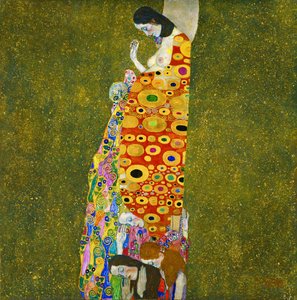
Orpheus and Eurydice
مقاس النسخة المطبوعة
Gustav Klimt’s *Orpheus and Eurydice*, completed in 1885, stands as an emblem of the Viennese Secession’s fascination with Symbolism and its rejection of academic conventions. More than just a depiction of mythic figures—the legendary musician Orpheus and his beloved Eurydice—it's a profound meditation on love, loss, and the yearning for transcendence, rendered in Klimt’s signature opulent style.
The historical context surrounding the painting is crucial to understanding its significance. Vienna in 1885 was a hub of artistic innovation, fueled by intellectual currents questioning traditional values and embracing esoteric ideas. Klimt’s Secessionists sought to forge a new path for Austrian art, rejecting the conservative tastes of the Austro-Hungarian Empire.
Symbolism: Klimt infused *Orpheus and Eurydice* with rich symbolism. The golden leaf represents divine grace and immortality—a visual affirmation of hope amidst despair. Eurydice’s pale skin symbolizes purity and vulnerability, while Orpheus' lyre embodies artistic expression and the power to communicate emotions beyond words. The bird perched atop the composition serves as a reminder of resurrection and rebirth.
Emotional Impact: Viewing *Orpheus and Eurydice* evokes a palpable sense of melancholy beauty. Klimt’s masterful use of color—primarily gold, ivory, and muted blues—creates an atmosphere of solemn contemplation. The painting's delicate rendering captures the tender intimacy between Orpheus and Eurydice, conveying the profound sorrow associated with loss while simultaneously hinting at the possibility of reunion beyond earthly existence. It remains a testament to Klimt’s ability to transform myth into emotionally resonant art.
The Museo d’Arte Moderna Ca’ Pesaro in Venice houses a remarkable collection of Klimt's works, offering visitors an unparalleled opportunity to immerse themselves in his artistic vision. Furthermore, exploring the Croatian National Theatre Ivan pl. Zajc and Rijeka provides insight into how Klimt’s masterpiece was originally displayed—a poignant reminder of its enduring legacy.

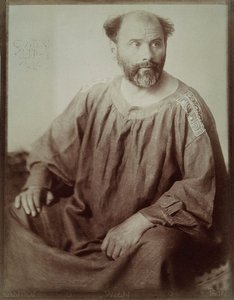
1862 - 1918 , النمسا
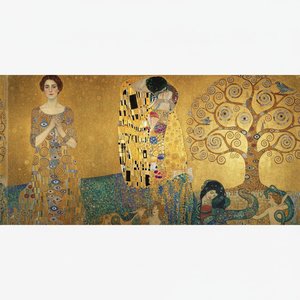
اكتشف 25 تحفة فنية لغوستاف كليمت، رائد الأرت نوفو. استكشف قصص لوحاته الذهبية الشهيرة، ورموزيته العميقة، وتأثيره الخالد في عالم الفن والديكور. احصل على إعادة إنتاج عالية الجودة من Most-Famous-Paintings.com.

اكتشف روائع فن الآرت نوفو! استكشف 10 أعمال فنية خالدة مع Mucha و Klimt وغيرهم. قصص الفنانين، الأساليب المبتكرة، وألوان ساحرة. احصل على تحف فنية عالية الجودة من Most-Famous-Paintings.com واستلهم ديكور منزلك!

اكتشف أروع 25 تحفة فنية في متحف المتروبوليتان، نيويورك! قصص ليوناردو دا فينشي وفان جوخ وبيكاسو وأكثر. لوحات كلاسيكية ومعاصرة لإلهام ديكور منزلك. تسوق إعادة إنتاج اللوحات عالية الجودة على Most-Famous-Paintings.com.

اكتشف روائع الفن الرمزي! استكشف 10 لوحات خالدة تحدد هذا التيار الفني الراقي مع موريو وبونارد. قصص فنانين، رموز وألوان آسرة. احصل على تحف فنية عالية الجودة وديكورات مستوحاة من المتاحف على Most-Famous-Paintings.com.
اكتشف أروع 25 لوحة فنية في معرض ناسيونال غاليري بواشنطن! رحلة عبر روائع سيزان، ماتيس، وبيكاسو. قصص ملهمة وتقنيات فنية فريدة. احصل على نسخ عالية الجودة لديكور منزلك الفاخر على Most-Famous-Paintings.com


ابقَ على اطلاع بأحدث أخبار الفن، والعروض الحصرية، وأفكار الديكور.
أخبرنا عن مشروعك، وسيقدم لك خبراؤنا الفنيون 3 اقتراحات فنية مخصصة لك.
دعنا نختار لك ٣ خيارات مخصصة تماماً - مجاناً!


 مشاركة


 عرض المزيد







 خيار الزجاج متاح فقط للمقاسات التي تقل عن 110 سم