بِع أعمالك الفنية
قائمة الأمنيات عربة التسوق Cart
x
معاينة الحجم الحقيقيمعاينة الحجم الحقيقي معاينة بالواقع المعززمعاينة بالواقع المعزز اشترِ نسخة مطبوعة اشترِ نسخة مطبوعةاشترِ لوحة مرسومة يدويًا اشترِ لوحة مرسومة يدويًا مشاركةمشاركة
التفاصيلالتفاصيل أضف إلى المفضلة أضف إلى المفضلة تحميل الملفتحميل الملف قطع مشابهةقطع مشابهة الأشعة السينيةالأشعة السينية عرض شرائحعرض شرائح

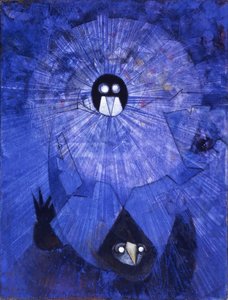
Harden Hollow

  • تاريخ الإنشاء1916
  • الأبعاد50.0 x 68.0 cm

Gustave Baumann (1881-1971) was a leading American color woodcut artist known for vibrant Southwestern landscapes, pueblo scenes & revival of traditional printmaking techniques. Featured at major museums.

احصل على صورة رقمية عالية الدقة ومعزّنة، بجودة تفوق بكثير المعاينة عبر الإنترنت.

يتم إعداد كل ملف بعناية فائقة من قبل متخصصينا الداخليين باستخدام أدوات متقدمة ولمسات يدوية خبيرة. نضمن أن تتمتع كل صورة بوضوح استثنائي، ودقة لونية متناهية، وتفاصيل دقيقة.

يتم تسليم الملف النهائي عبر البريد الإلكتروني في غضون 72 ساعة، وهو مُحسَّن للاستخدام الفوري في المجالات المهنية والتحريرية ومجالات الطباعة. هذه هي ذات الجودة التي تعتمد عليها كبرى استوديوهات التصميم ودور النشر والمعارض الفنية المرموقة.

صورة رقمية

حمّل ملفاً عالي الدقة للعرض الشخصي، والطباعة، والمشاريع الإبداعية. (اشترِ نسخة مطبوعة اشترِ نسخة مطبوعةاشترِ لوحة مرسومة يدويًا اشترِ لوحة مرسومة يدويًا)

إجمالي السعر

$ 24,90

مزايا مُضمّنة في كل طلب صورة رقمية

تسليم رقمي احترافي، مضمون

عندما تختار Most-Famous-Paintings.com، فأنت لا تحصل على مجرد صورة فحسب، بل ستحصل على عمل فني رقمي مُحسّن باحترافية، صُمم بدقة متناهية ومصحوب بضمان الرضا. إليك كل ما يتضمنه طلبك تلقائياً:

shipping_icon
تسليم سريع عبر البريد الإلكتروني

ستصلك ملفات صورك الرقمية عالية الدقة عبر البريد الإلكتروني في غضون 72 ساعة من إتمام الطلب - لتكون جاهزة للاستخدام الفوري.

canvas_icon
ملف رقمي مُحسّن بالذكاء الاصطناعي

يتم تحسين عملك الفني باحترافية باستخدام أدوات الذكاء الاصطناعي المتقدمة والتحرير اليدوي، لضمان أقصى درجات التفاصيل والوضوح ودقة الألوان.

insurance_icon
إعادة إرسال مجانية مدى الحياة

هل حذفت ملفك أو فقدته عن طريق الخطأ؟ لا تقلق - سنعيد إرساله إليك في أي وقت، ومجاناً.

tax_icon
بدون رسوم استيراد - على الإطلاق

استمتع بأعمالك الفنية فوراً دون أي رسوم جمركية أو ضرائب أو مصاريف شحن - فالتحميلات الرقمية دائماً ما تكون معفاة من الضرائب.

color_icon
ضمان دقة الألوان

نحن نضمن أن تعكس صورتك الرقمية الألوان الأصلية بأقصى قدر ممكن من الدقة، وذلك باستخدام أدوات احترافية وتقنيات إدارة الألوان.

return_icon
ضمان الرضا لمدة 60 يومًا

إذا لم تكن راضياً عن صورتك الرقمية، فسنقوم بتعديلها أو استرداد 100% من قيمتها خلال 60 يوماً - دون أي أسئلة.

guarantee_icon
ضمان استعادة الأموال بنسبة % 100

لم تكن راضياً؟ احصل على استرداد كامل المبلغ خلال 60 يومًا من استلام ملفك الرقمي - دون أي أسئلة.

discount_icon
خصومات الطلبات الكبيرة

اشتري 3 صور، ووفر 10% - اشتري 5، ووفر 15% - اشتري +10، ووفر 20%. مثالية للمشاريع الإبداعية، والمعارض، والوكالات.


السيرة الذاتية للفنان

The Master of Light and Wood: The Life of Gustave Baumann

Gustave Baumann was far more than a mere printmaker; he was a poet of the American landscape, a man who translated the rugged textures of the Southwest into a vibrant language of color and relief. Born in Magdeburg, Germany, in 1881, his journey to becoming an icon of American art began with a transformative migration to Chicago as a young boy. The loss of his father during his adolescence thrust him into the world of labor early, forcing him to balance the heavy responsibilities of supporting his family with an unquenchable thirst for artistic mastery. This duality of grit and grace would define his entire career, as he worked as an apprentice in commercial engraving houses by day while attending night classes at the prestigious Art Institute of Chicago. His artistic soul, however, remained tethered to European traditions even as he embraced the American spirit. In 1904, driven by a desire to refine his craft, Baumann returned to Germany to study at the Kunstgewerbeschule München. It was within the walls of this School of Applied Arts that he immersed himself in the intricate discipline of wood carving, a skill that would later become the heartbeat of his creative output. This period of formal training instilled in him a profound respect for the structural integrity of design and the delicate interplay between line and surface, elements that would eventually allow him to revolutionize the color woodcut technique in America.

A Journey Through Landscapes and Light

The evolution of Baumann’s style is a beautiful narrative of geographical and emotional shifts. After his studies in Munich, he returned to the United States, finding a temporary home in the rolling, idyllic hills of Brown County, Indiana. It was here that his work began to shed the heavy black outlines characteristic of his early German-influenced prints, moving instead toward a more luminous and atmospheric approach. As he moved through the landscapes of the American Midwest, his prints began to breathe with a new vitality, focusing on the organic rhythms of nature rather than the rigid forms of human industry. However, it was a chance encounter with the American Southwest in 1918 that would forever alter the trajectory of his life and art. Captivated by the stark beauty, the ancient adobe structures, and the profound cultural depth of New Mexico, Baumann made Santa Fe his permanent home in 1919. The high desert light, the dramatic shadows of the mesas, and the vibrant traditions of the Pueblo people became his primary muses. His work transitioned into a celebration of the Southwest, where he utilized oil-based inks to achieve a depth of color that felt almost tactile, capturing the sun-drenched warmth of the desert with unparalleled precision.

Legacy of the Color Woodcut Revival

Baumann’s technical brilliance lay in his refusal to follow the easy path. While many of his contemporaries were content with hand-rubbed woodblock prints that mimended Japanese aesthetics, Baumann championed a more robust method using oil-based inks. This decision allowed for a richer, more saturated palette that could truly mirror the intense sunlight of New Mexico. His mastery of the relief printing process—layering colors with meticulous care to create depth and luminosity—placed him at the forefront of the Color Woodcut Revival movement. His achievements were recognized by the highest echelons of the art world, with his works finding permanent homes in prestigious institutions such as:
  • The Metropolitan Museum of Art
  • The National Gallery of Art
  • The Smithsonian American Art Museum
Beyond the galleries, Baumann’s legacy is etched into the very landscape of Santa Fe. His home and studio, a beautiful adobe structure built in 1923, stands as a testament to his life of dedicated craftsmanship and is listed on the National Register of Historic Places. Through his prints, Gustave Baumann did more than just document a region; he captured the enduring spirit of the American West, leaving behind a visual heritage that continues to glow with the warmth of the desert sun long after his passing in 1971.
Gustave Baumann

Gustave Baumann

1881 - 1971 , Germany

لمحة سريعة

  • Artistic Movement Or Style: Color woodcut revival
  • Artists Or Movements Influenced By This Artist: ['Japanese printmaking']
  • Artists Who Influenced This Artist:
    • Henri Matisse
    • Marc Chagall
  • Date Of Birth: 1881
  • Date Of Death: 1971
  • Full Name: Gustave Baumann
  • Nationality: American
  • Notable Artworks:
    • Mill Pond
    • Harden Hollow
    • Plum and Peach Bloom
  • Place Of Birth: Magdeburg, Germany